
U.S. midterm elections decide who represents voters in Congress: every voting seat in the House of Representatives and roughly one-third of the Senate are contested. The results can change which party controls either chamber, influencing the bills Congress considers, federal funding negotiations, oversight, and Senate votes on presidential nominees. Midterms do not elect the president or enact policies by themselves; federal lawmaking involves both chambers and the president, while executive agencies implement laws and courts exercise judicial power.
What is a midterm election?
A midterm election is a federal general election held halfway through a president’s four-year term. The president is not on the ballot in that election. Voters choose members of Congress, and their ballots may also include state, local, or other races; those offices are separate from the federal congressional contests described here.


The House and Senate have different election cycles, so the federal choices differ in scale:
| Chamber | Term and representation | What is contested in a midterm? | Distinct constitutional role |
|---|---|---|---|
| House of Representatives | Two-year terms; seats are apportioned among states by population. | Every voting House seat, because all House terms expire together. | House members introduce and vote on legislation; revenue bills must originate in the House. |
| Senate | Six-year terms; every state has two senators. | Roughly one-third of Senate seats, because terms are staggered. Which states have contests depends on the seats scheduled for election. | The Senate shares ordinary lawmaking with the House and has a constitutional role in confirming certain presidential nominees and ratifying treaties. |
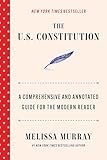
The term structure and congressional powers are set out in the U.S. Constitution. Midterm ballots can also include special elections, but the regular Senate cycle remains staggered.
#1 Best Overall
What do midterm elections decide?
They decide which candidates fill the contested congressional seats. When the new Congress takes office, those results may change the balance of power in the House, the Senate, or both. A party with a majority in a chamber generally has more influence over its leadership, committee assignments, agenda, and votes, but the practical effect depends on the chamber’s rules and its members’ decisions.
- Which bills receive attention: Chamber leaders and committees help determine what advances for debate and a vote.
- Whether legislation can pass: Ordinary federal legislation must pass both the House and Senate in the same form and be presented to the president, who may sign or veto it.
- How oversight is conducted: Committees can hold hearings and investigations about executive agencies and how laws are carried out.
- Whether certain nominees are confirmed: The Senate considers many presidential nominations under its advice-and-consent power.
These are mechanisms, not guaranteed policy outcomes. Close margins, cross-party votes, Senate procedures, presidential action, and court decisions can all affect what happens after an election.
How does Congress affect my daily life?
Congress affects daily life mainly by writing federal laws, deciding taxes and spending, and overseeing how the executive branch administers the laws. The U.S. House explains that congressional laws can influence daily life through legislative debate and compromise. The consequences may reach households and businesses through nationwide rules, public programs, agency services, and the way federal revenue is collected and used.
Laws and rules
Congress legislates in areas within its constitutional authority, including interstate commerce. A federal law can establish requirements or create a program; executive agencies then administer or enforce the law. Congress does not ordinarily carry out those rules itself, and agencies must operate under the laws that authorize them.
Rank #3

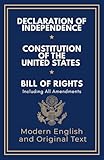
- 25 pocket sized copies of the United States Constitution
- Each book measures 3.25" X 6.5"
- Also includes the Bill of Rights, Amendments 11-27, The Declaration of Independence, and a complete index
- Proofed word-for-word against the original Constitution housed in the Archives in Washington, D.C. and identical in spelling, capitalization and punctuation.
Taxes, budgets, and services
The Constitution gives Congress taxing and spending powers. Congress considers funding bills that support federal agencies and programs, but the annual budget process involves several institutions. According to USAGov’s federal budget process guide, agencies submit requests through the Office of Management and Budget, the president submits a budget proposal, Congress works through funding bills, and approved bills go to the president to sign or veto. The federal fiscal year runs from October 1 through September 30.
Federal spending is not all reconsidered from scratch each year. USAGov distinguishes mandatory spending, which includes Social Security and Medicare and operates under existing laws, from discretionary annual agency funding and interest on the debt. The agency describes mandatory spending as typically using over half of all funding, discretionary spending as usually around a third, and interest as usually less than 10 percent. Those are general descriptions on the budget-process page, not figures for a specified fiscal year.
Oversight and accountability
Congressional committees can question officials, examine agency actions, and investigate how laws are implemented. Oversight can bring information into public view and inform possible legislative changes, but a hearing or investigation does not itself rewrite a law or direct every agency decision.
Senate votes on nominees
The Senate’s advice-and-consent role means the makeup of that chamber can affect whether certain presidential nominees are confirmed. This is not the same as Congress appointing all federal employees: constitutional appointment rules distinguish principal officers from inferior officers.
Best Value
Why do midterms matter if the president is not on the ballot?
The president remains in office, but the composition of Congress can change. A different balance in either chamber can alter the route for legislation, affect budget negotiations, shape committee oversight, and influence Senate consideration of nominees. Congress and the president share steps in lawmaking: both chambers must agree on a bill, and the president can sign or veto it. Agencies enforce laws, and courts interpret and apply them.
The House’s explanation of the branches of government describes Congress as the legislative branch, the president and executive agencies as the executive branch, and the courts as the judicial branch. The separation of those roles is why a change in congressional seats matters without guaranteeing a particular law or policy result.
Who runs elections in the U.S.?
States and localities have primary responsibility for administering elections, including practical procedures voters must follow. The Constitution’s Elections Clause gives state legislatures authority over the times, places, and manner of congressional elections while allowing Congress to make or alter certain regulations, with a specific exception concerning the place for choosing senators. The Constitution Annotated discussion of the Elections Clause explains that allocation of authority.
Federal law also sets election requirements and protects voting rights. A Congressional Research Service brief, Federal Role in U.S. Campaigns and Elections: Highlights, dated December 29, 2025, summarizes federal policy across campaign finance, election administration, election security, redistricting, qualifications and contested elections, and voting rights. CRS describes the federal role as “limited yet complicated.” Its brief notes that at least 22 congressional committees, 20 federal departments or agencies, and 9 federal statutes can affect campaigns and elections; those counts describe the reach of federal involvement, not election outcomes or public opinion.
Voter identification requirements and other practical rules vary by state. For current, location-specific instructions, use your state or local election office; USAGov’s voting and election laws page provides a starting point.
Quick Recap
Product prices and availability are accurate as of the date/time indicated and are subject to change. Any price and availability information displayed on Amazon at the time of purchase will apply.

