
Free tools Windows power users keep installed
One-click scans. No signup required.
Scientists reconstruct extinct species’ habitats by combining fossil remains and their sediments with ancient DNA, pollen, plant remains, and other ecological evidence. Fossils and DNA can show that a species was present in a particular deposit; vegetation records and diet evidence help explain the surroundings. No single trace provides a complete habitat map, and a DNA detection is not a head count.
What fossils and ancient DNA can establish
A fossil is physical evidence that an organism lived in or reached the place where its remains were deposited, subject to the reliability of its identification and dating. The surrounding sediment helps researchers place it in a geological and environmental context. Fossil records are incomplete, however, and occurrences may be too sparse or broadly dated to track population histories or ecosystem change precisely. The review by Rawlence and colleagues describes how palaeoenvironmental DNA can complement this discontinuous record (Journal of Quaternary Science, 2014).
Sedimentary ancient DNA, or sedaDNA, is genetic material preserved in sediment, often after organisms shed it into the environment. Palaeoenvironmental DNA (PalEnDNA) is a broader term for ancient DNA recovered from environmental material such as sediment, permafrost, peat, soil, coprolites, or preserved gut contents. It can identify taxa that left no recoverable large fossil at the sampled location, and a sequence of sediment samples can reveal changes through time. These are detections in a deposit, not direct measurements of how many animals lived nearby.
What a detection means depends on the DNA’s preservation and movement, the deposit’s history, sample handling, sequence length, and the reference data used to identify it. Short, degraded DNA may support identification only to a broad group rather than a particular species. A credible reconstruction therefore asks not only what was detected, but how securely it was identified and whether the sample’s context supports the proposed place and age.
#1 Best Overall

- Dig up 12 fossil bricks & discover 12 unique real fossils: Feel like a real paleontologist excavating up unique fossils from the bricks. Find a dinosaur bones, coprolite, shark vertebrae and much more! Once dug up, find the appropriate card describing the history and characteristics of the fossil.
- Kit includes: 12 Fossil Bricks (with a unique fossil in each), 12 Chisel/Brushes, 12 Instruction Guides, and 12 full-colored beautiful learning cards - one for each fossil. It all comes packaged in a sleek display box. Includes everything needed for the young scientist to excavate the fossils with ease, and gain a deeper understanding of them.
- 12 full-color fossil learning cards: Includes 12 beautiful cards, each describing the history of a different fossil. After digging up a fossil, try to match up the appropriate card to your fossil and learn more about it.
- A fun and educational gift for all ages: It's not often that a science project can be fun and engaging, but this kit achieves both! Great set for individual play or as a group activity. It fascinates children as soon as they pull it out of the box and is a perfect STEM project. It fosters a love for science and paleontology in a fun and exciting way.
How researchers combine the evidence
Each proxy records a different part of the ecological picture. Fossils document organisms’ physical remains; sediment DNA can add taxonomic detections; pollen and plant macrofossils reveal vegetation; coprolites and preserved gut contents can retain material related to diet. Their signals overlap, but they are not interchangeable. For example, pollen may reflect a wider source area, while PalEnDNA can offer a more local vegetation signal in some settings. Pollen counts are influenced by how much plants produce and how far it travels; DNA detection is influenced by extraction and sequence coverage.
| Evidence | What it can indicate | Key qualification |
|---|---|---|
| Fossils and associated sediment | Organism remains and the deposit in which they were preserved | Occurrences can be incomplete and coarse in time or space. (Rawlence et al., 2014: review) |
| Sediment or other environmental ancient DNA | Taxa represented by genetic material in the sampled deposit; changes across sampled layers | Does not by itself establish abundance or a precise habitat preference; preservation, movement, identification, and handling matter. (Nature Communications, 2021: Yukon study; Pittman and Wang, 2023: review) |
| Pollen | Vegetation evidence that may represent a wider source area | Plant pollen production and dispersal affect which taxa are represented. (Rawlence et al., 2014: review) |
| Plant macrofossils | Identifiable plant remains in the sampled material | They represent only material that was deposited and preserved in that context. (Rawlence et al., 2014: review) |
| Coprolites or preserved gut contents | Material associated with feeding, including plants and DNA | DNA can also come from the host, microbes, or surrounding environment, so a detected taxon is not automatically food. (Rawlence et al., 2014: review) |
Independent proxies can test and refine one another. If DNA, pollen, and plant fragments point to compatible vegetation, the reconstruction is stronger than one based on a single signal. If they differ, that may reflect different source areas, preservation, or what the organism actually consumed—not necessarily a contradiction. Researchers interpret the evidence in light of its depositional setting and the question being asked, rather than treating one method as universally best.
Rank #2

- UNEARTH AUTHENTIC TREASURES: Dive into a hands-on adventure with the Dan&Darci Fossil Dig Kit! Extract 12 genuine fossils, each holding a unique tale from our Earth.
- COMPREHENSIVE LEARNING GUIDE: Comes with a beautifully illustrated guidebook. Discover fascinating facts about each fossil and let your child's imagination transport them to a world of wonder.
- PALEONTOLOGIST-APPROVED TOOLS: Dig like a true expert! Inspired by the methods used by professionals, our kit includes specialized tools such as a wooden mallet, chisel, brush, and magnifying glass to ensure a thorough and enjoyable excavation experience.
- A JOURNEY OF DISCOVERY: Understand the meticulous process behind fossil formation and gain insight into the wonders they represent. From the sharp-toothed Corax shark to the intriguing remnants of massive dinosaurs, it's a deep dive into history.
- IDEAL GIFT FOR YOUNG SCIENTISTS: Spark curiosity and cultivate a love for science. This kit makes a perfect gift for birthdays, holidays, or any special occasion.
What the Yukon mammoth-steppe record shows
A 2021 Nature Communications study analyzed a 30,000-year sedaDNA record from loessal permafrost silts in the Klondike region of Yukon, Canada. The authors reported substantial ecosystem turnover between 13,500 and 10,000 calendar years ago, including the rise of woody shrubs and the disappearance of the mammoth-steppe ecosystem (study).
The researchers also reported Equus sp. (North American horse) and woolly mammoth (Mammuthus primigenius) DNA at multiple sites thousands of years after their supposed extinction from the fossil record. This is a result reported for that study’s samples; it does not show that every fossil last-appearance date is wrong, nor does DNA alone determine why or exactly when a species became extinct. The case illustrates how environmental DNA can extend the evidence available for reconstructing ecosystem change while leaving interpretation dependent on context.
Do these 3 things before closing this tab:
1Fix the driver behind crashes, sound loss and screen glitches2Clear out junk files and repair common Windows errors3Scan for outdated or missing drivers - takes under a minuteRank #3

- 🪠 Zero Mess & Built-In Digging Mat – The ultimate cleanup-free excavation experience is finally here. This fossil dig kit features 12 digging blocks, each sealed in its own smartly designed paper wrap that effortlessly unfolds into a dedicated digging mat. Your child can pry and dig the plaster right on this mat, containing every speck of dust. When the fossil is revealed, simply fold the paper up and toss it away. No messy plaster dust on your tables, floors, or carpets—just pure digging toys for kids joy without the parental headache.
- 🐚12 Genuine Fossils & Educational Cards – Uncover a genuine, diverse collection of prehistoric treasures with every single block. Unlike standard fossil kits, our premium fossil kit offers 12 distinct, real fossil rocks for kids, including a Sand Tiger Shark tooth, a Sea Urchin, Coral, Crinoid, and multiple types of gastropods. Each discovery is paired with a beautifully designed, educational collector card. These cards dive into the history and interesting facts behind the fossil, seamlessly turning an exciting play session into a fascinating science fossil kits for kids age 6-8 8-12 lesson.
- 🔎Perfect for Parties & Group Activities – Massive value designed for both individual learning and group fun. With 12 individually wrapped blocks, 12 sturdy chisels, and 12 matching cards, this fossils bulk set is ready to entertain a small group of friends, a birthday party crowd, or an entire classroom. It is the perfect hands-on fossil excavation kit kids activity to keep a group of young explorers engaged for hours, encouraging teamwork, patience, and shared excitement as they make their individual discoveries together.
- 🗺️ STEM Learning & Fine Motor Skills – Inspire a real passion for geology and paleontology through interactive play. The process of carefully chiseling, brushing, and revealing ancient specimens helps develop fine motor skills, concentration, and a scientific mindset. It transforms a simple game into a genuine junior archaeologist fossil dig experience. Whether for an individual child’s quiet afternoon or a classroom STEM project, this fossil dig kit for kids provides a rewarding challenge that sparks natural curiosity about Earth's ancient history.
- 🛡️ Safe, Non-Toxic & 100% Satisfaction Guarantee – Built with safety and quality at the forefront for worry-free playtime. Our fossils for kids kit is crafted from non-toxic, high-quality, and eco-conscious materials, ensuring a completely safe experience for children aged 6 and up. We stand firmly behind the quality and fun of our product. If your young explorer faces any issues or has questions during their adventure, our dedicated customer support team is ready to assist you promptly to ensure a 100% delightful experience.
How moa coprolites reveal diet and habitat
In studies reviewed by Rawlence and colleagues, researchers combined PalEnDNA, pollen, and plant macrofossils from coprolites to investigate the habits and habitats of extinct upland moa (Megalapteryx didinus). A related multiproxy study examined ecological niche partitioning among four moa species living in the Dart River Valley of New Zealand’s South Island at the same time.
One result shows why a single proxy can mislead: Poaceae pollen was abundant in the analysis, but researchers detected only one Poaceae DNA sequence. They inferred that the pollen may have been incidentally ingested, rather than evidence that grasses dominated the bird’s diet. Coprolites can preserve clues about feeding, but the material has to be interpreted alongside other evidence and its possible sources.
Rank #4

- Includes 2 Kinds of Dino Toys: 1. The dinosaur bones inside the Brick can assemble two 3D dinosaur puzzles: a T-rex and a triceratops skeleton Puzzles. 2. 2 pack 6.5” Realistic Looking dinosaur figurines Including T-Rex, Triceratops. Your little archeologist would be thrilled to see this dinosaur dig kit, would share and enjoy the discovery.
- Educational and Fun: A science project usually can be engaging, but no so funny. But this dinosaur fossil science kit achieves both! Great set for individual play or as a group activity. It fascinates children as soon as they pull it out of the box and is a perfect STEM project. It fosters a love for science and paleontology in a fun and exciting way. Very good teaching tool for young minds!
- Awesome Kids Birthday Activity: The fossil digging kit for kids will be dinosaur party favors for Dino themed birthday party. The Dino dig would be a great project to do with dinosaur-loving kids. Once complete the excavation. Kids paleontologists have to construct two Dino puzzles. The assembly Dino skeleton and the dinosaur figures can keep in kid's room on display.
- Environmentally Safe Materials: The dinosaur kit is composed primarily of gypsum. No Pollution, Odorless, Safe and Non-toxic.
- Great Gift for Dino Lovers: This dinosaur toys It is very giftable, will be a great Easter, Thanksgiving, Christmas gift for boys, girls, kiddos, nephews, nieces or grandchild or even to your imaginative pupils in the kindergarten as fun educational toys. Excellent discovery toys for kids that like to find and crack things open.
What can make a reconstruction uncertain
- Contamination: Modern DNA can enter a sample or laboratory. Ancient fragments are typically short and chemically damaged, so specialized handling and authentication are important. (Pittman and Wang, 2023: review; Nature Reviews Methods Primers, 2021: methods primer)
- Sediment mixing and movement: Redeposition or DNA moving between layers can make a signal appear to come from the wrong time or place. Stratigraphic integrity and careful sampling matter. (Rawlence et al., 2014: review; Pittman and Wang, 2023: review)
- Limited identification: Degraded sequences may not distinguish closely related species, and incomplete reference databases can limit how confidently a sequence is assigned. (Rawlence et al., 2014: review; Pittman and Wang, 2023: review)
- Method and preservation bias: Extraction and amplification choices can favour some taxa and miss others. DNA preservation also varies among materials and depositional conditions; permafrost, recently frozen material, and desiccated remains can preserve DNA especially well, but not uniformly. (Rawlence et al., 2014: review; Nature Reviews Methods Primers, 2021: methods primer)
- Destructive sampling: Ancient DNA analysis may consume part of an irreplaceable specimen. The methods primer emphasizes involving archaeologists and stakeholders in research design and analysis. (Nature Reviews Methods Primers, 2021: methods primer)
How to read a claim about an extinct species’ habitat
A strong habitat claim distinguishes detection from interpretation. Ask whether the evidence establishes a species in a dated deposit, identifies vegetation in the same context, or connects the animal to that vegetation through diet or ecological association. Then consider whether independent proxies agree and whether preservation, movement, or identification limits the inference. A taxon detected in sediment supports its presence in the sampled record when identification and context are credible; it does not, on its own, establish abundance, a precise habitat preference, or ecological role.
Quick Recap
Best Value
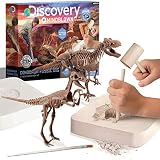
- ✔ EXCAVATE TWO DINOSAUR SKELETONS – Dig into prehistoric fun as you uncover a 15-piece T-Rex and 10-piece Velociraptor skeleton from clay dig bricks. Perfect science activity for budding paleontologists!
- ✔ ASSEMBLE & DISPLAY YOUR DISCOVERIES – Once excavated, fit the fossil pieces together like 3D puzzles to build full dinosaur skeletons. The dino models can be displayed on desktops and shelves in the bedroom or classroom.
- ✔ REAL DIG TOOLS INCLUDED – Comes with everything you need to start your jurassic excavation: 2 clay bricks, a wooden chisel, brush, mallet, and safety goggles for a realistic dig experience.
- ✔ LEARN THROUGH HANDS-ON PLAY – Encourages STEM learning with an engaging focus on paleontology, anatomy, and observation. The dinosaur figurines are great for classrooms, science fairs, or at-home discovery.
- ✔ FOR KIDS AGES 6+ – Easy to follow and fun to complete. A great gift for dinosaur lovers and science explorers. Adult supervision recommended during excavation.
Product prices and availability are accurate as of the date/time indicated and are subject to change. Any price and availability information displayed on Amazon at the time of purchase will apply.
Recommended Free Tools

