
What’s actually slowing this PC down?
Pick the symptom - the matching free tool is one click away.
To help prevent frozen pipes, insulate exposed plumbing, seal drafts, disconnect and drain outdoor hoses, and keep vulnerable spaces warm. During a cold snap, hold a steady indoor temperature, open sink cabinets where room heat can reach pipes, and let a slow drip run from a faucet served by exposed plumbing. If a pipe may already be frozen, avoid open flames and call a licensed plumber when you cannot thaw it safely.
Find the pipes most at risk
Start with water lines in unheated, drafty, or exposed areas. Check basements, crawl spaces, attics, garages, under-sink cabinets, exterior walls, and places where pipes enter through an outside wall or foundation. Outdoor hose bibs and the supply lines serving them also need attention. Both hot- and cold-water pipes can freeze; as water freezes and expands, it can break a pipe. American Red Cross frozen-pipe guidance and Michigan’s winter-weather guidance identify these vulnerable locations and risks.
Prepare plumbing before temperatures plunge
- Disconnect and drain outdoor hoses. Store them indoors. If an indoor shutoff serves an exterior faucet, close it and drain the line as appropriate. The Red Cross and Seattle Public Utilities recommend preparing outdoor lines before freezing weather.
- Insulate exposed pipes. Pipe insulation sleeves are a straightforward option for accessible runs. Both the Red Cross and Michigan also identify listed heat tape or heat cable as an option where pipes remain vulnerable. Choose products expressly suited to the pipe material and whether the installation is indoors or outdoors; follow the product’s listing and instructions rather than assuming all heat cables install the same way.
- Seal cold-air leaks. Close gaps around pipe penetrations and other openings that let outdoor air reach plumbing spaces. Insulation helps slow heat loss, while sealing drafts addresses the cold air reaching the pipes. Michigan and Seattle Public Utilities include draft-sealing in their advice.
- Winterize pool and sprinkler lines according to their instructions. Follow the manufacturer’s or installer’s directions. Do not add antifreeze unless those instructions direct you to; the Red Cross warns it can harm people, pets, wildlife, landscaping, and the environment.
- Locate the main water shutoff. Know how to reach and operate it before a pipe bursts. Seattle Public Utilities includes finding the shutoff among its preparation steps.
Protect pipes while the cold snap lasts
- Keep indoor heat steady. Avoid turning the thermostat down overnight during severe cold; consistent heat helps protect pipes in the building.
- Open cabinets when they block room heat. Open kitchen or bathroom sink cabinets if warmer air can then reach vulnerable plumbing. First move household chemicals somewhere children cannot access them.
- Keep the garage door closed if water lines run through the garage.
- Let a slow drip run from a relevant faucet. Choose a faucet served by exposed plumbing and let cold water drip slowly during severe cold. The Red Cross says even a trickle can help prevent freezing; Seattle Public Utilities advises choosing an indoor faucet and warns against leaving water running in an unoccupied building.
If you will be away from home
During cold weather, the American Red Cross and Michigan advise leaving the heat on and setting the thermostat no lower than 55°F. Arrange for someone to check the home daily, especially during extreme cold. In some situations, shutting off and draining the water system may be an alternative, but Michigan warns that doing so deactivates a residential fire sprinkler system if it shares that water supply. Check your system and local guidance before choosing that approach.
Choose pipe insulation or heat cable safely
For an accessible exposed run, start by considering a pipe insulation sleeve. If a pipe remains at risk, a listed heat tape or heat cable may be appropriate. These are product categories, not endorsements of a particular brand, model, or thickness. Compare a product’s suitability for the pipe material and location, independent listing or approval, and installation requirements.
The Tool Desk
Outbyte PC Repair FREEClear out junk files and repair common Windows errorsFree Scan →Outbyte Driver Updater FREEScan for outdated or missing drivers - takes under a minuteDriver Scan →#1 Best Overall

- Duck Brand insulating foam pipe stick covers are great for insulating both hot and cold water pipes
- These foam pipe covers are pre-slit for easy opening and installation on curved pipes and the self sealing edges make it easy to secure
- Versatile foam pipe insulation helps prevent winter freezing and summer sweating of indoor water, air conditioning and HVAC pipes. Safe for temperatures up to 212 F.
- These pipe covers have an R Value of 3.6 and can fit 1/2" to 3/4" pipes
- Each foam pipe stick is 12" long for easy installation. 6 pipe sticks come in a pack for a total of 6 feet of pipe insulation
Instructions can vary by model. For example, Frost King’s automatic cable instructions call for a properly grounded receptacle, strongly recommend GFCI protection, specify a thermostat-placement method, and warn against installing that product on plastic pipe unless the pipe is filled with water at all times. Those directions apply to that product; do not treat them as universal requirements for every heat cable.
Quick Recap
Best Value

- Application: Pipe insulation foam tube for pipe freeze protection and sharp edge protection.Provides good water pipe insulation, sharp edge collision protection, and has good surface grip.(Please confirm the inner diameter before purchasing)
- Foam Pipe Insulation: Our pipe insulation foam are made of high quality nitrile rubber.Class B flame retardant, good flame retardancy, high elasticity, non-absorbent
- Non-folding packaging: Foam tube is naturally rolled up and put into the packaging bag.Avoid obvious creases caused by folding.Working temperature is -58°F to 230°F(- 50℃ to 110℃)
- No Pre-cut: The foam tube is completely closed structure, better thermal insulation effect.Pipe insulation foam can be cut to length as you need
- Package: You will receive 6 feet of insulation foam tubing. We stand behind of our products if you have any questions
Rank #4
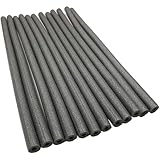
- Each cover is 3 feet long, made from durable foam and pre-slit for quick and easy installation on copper, iron, and PVC pipes. ID (nominal) 5/8inch; wall thickness 3/8 inch, fits copper pipe size 1/2 inch, fits iron pipe size 3/8 inch. *ALL SIZES ARE APPROXIMATE AND CAN CHANGE SLIGHTLY DUE TO THE MANUFACTURING PROCESS*
- All-Season Savings & Protection – From frigid winter nights to humid summer mornings, this insulation helps guard against freezing, pipe sweating, and keeps plumbing operations smooth and quiet.
- Helps Reduce Energy Waste and Bills – By minimizing heat loss, you can lower your water heater’s workload — giving you faster hot water delivery and saving you money.
- Prevents Costly Pipe Damage & Emergencies – Prevents ice formation and reduces the risk of burst pipes—protecting your home and your wallet from unexpected plumbing disasters.
- Durable Temperature Range – Safe for use from -90°F to 180°F (-68°C to 82°C) for both hot and cold water pipes. R-value = 2.2.
Rank #3
- Each cover is 3 feet long, made from durable foam and pre-slit for quick and easy installation on copper, iron, and PVC pipes. ID (nominal) 5/8inch; wall thickness 3/8 inch, fits copper pipe size 1/2 inch, fits iron pipe size 3/8 inch. *ALL SIZES ARE APPROXIMATE AND CAN CHANGE SLIGHTLY DUE TO THE MANUFACTURING PROCESS*
- Year-Round Protection: Guards plumbing against freezing in winter and condensation in summer; reduces pipe sweating while keeping water lines quiet; ideal insulation for outdoor pipes and indoor applications alike
- Energy Savings Made Simple: Minimizes heat loss from hot water heater pipe insulation; delivers faster hot water and lowers utility bills by reducing your water heater's workload with polyethylene foam pipe insulation
- Prevents Costly Damage: Stops ice formation in cold weather pipe wrap applications; protects against burst pipes and emergency repairs; durable foam insulation for pipes outside and inside your home or RV
- Durable Temperature Range – Safe for use from -90°F to 180°F (-68°C to 82°C) for both hot and cold water pipes. R-value = 2.2.
Rank #2
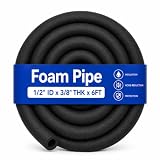
- Application: Pipe insulation foam tube for pipe freeze protection and sharp edge protection.Provides good water pipe insulation, sharp edge collision protection, and has good surface grip.(Please confirm the inner diameter before purchasing)
- Foam Pipe Insulation: Our pipe insulation foam are made of high quality nitrile rubber.Class B flame retardant, good flame retardancy, high elasticity, non-absorbent
- Non-folding packaging: Foam tube is naturally rolled up and put into the packaging bag.Avoid obvious creases caused by folding.Working temperature is -58°F to 230°F(- 50℃ to 110℃)
- No Pre-cut: The foam tube is completely closed structure, better thermal insulation effect.Pipe insulation foam can be cut to length as you need
- Package: You will receive 6 feet of insulation foam tubing. We stand behind of our products if you have any questions
What to do if a pipe may already be frozen
- Look for a reduced flow. A faucet that produces only a trickle can signal a frozen section, often near an exterior wall or where the water service enters the home.
- Keep the faucet open. Leave it open while the ice melts so water can flow as the blockage clears.
- Use gentle, non-flame heat only if the area is accessible and dry. The Red Cross lists an electric heating pad, a hair dryer, or towels soaked in hot water as options. Do not use electrical devices in standing water, as Seattle Public Utilities warns.
- Do not use a torch or other open flame. If you cannot find the frozen section, it is inaccessible, or it will not thaw safely, contact a licensed plumber. If a pipe has burst, close the main shutoff promptly to limit flooding and arrange repairs.
Product prices and availability are accurate as of the date/time indicated and are subject to change. Any price and availability information displayed on Amazon at the time of purchase will apply.

