
The Tool Desk
Outbyte PC Repair FREEClear out junk files and repair common Windows errorsFree Scan →Outbyte Driver Updater FREEFix the driver behind crashes, sound loss and screen glitchesFind Drivers →System Restore does not recover a Windows 7 user profile or deleted personal files. It rolls back certain system changes using restore points. A user profile is where per-user folders and information—such as documents and configuration files—may be stored. To recover missing personal files, use a suitable file backup or another file-recovery route; to address a damaged profile, troubleshoot the profile itself.
What is the difference between a user profile and System Restore?
They refer to different things. A user profile is a per-user collection of folders and information. Windows Vista and later, including Windows 7, use the Users directory for profile folders. Depending on where you or an application saves information, a profile can contain documents and configuration files. Microsoft’s overview of user profiles describes their purpose and contents; it does not catalog every application’s files.
System Restore is a recovery feature for rolling back system changes to an earlier restore point. It is not a second copy of your profile or a file-backup system. Microsoft’s Windows 7-specific description of System Restore says it does not restore user data or documents.
| Question | User profile | Windows 7 System Restore |
|---|---|---|
| What is it? | Per-user folders and data, which may include documents and configuration files. | A system recovery feature that uses restore points to roll back system changes. |
| What is its role? | Stores information associated with a user account. | Addresses certain system-change problems; it does not restore user data or documents. |
| Is it a personal-file backup? | No. A profile may contain personal files, but it is not a backup copy. | No. Microsoft says Windows 7 System Restore does not restore user data or documents. |
| What should you try? | For missing files, look for a file backup. For a damaged profile, use profile troubleshooting appropriate to Windows 7. | Consider it when a recent system change is causing a problem, not when you need deleted personal files back. |
What does System Restore recover?
System Restore rolls back system changes represented by a restore point. It is intended for problems associated with a recent system change, such as a driver, software, or system-setting change. Its scope is system recovery, not restoration of your personal data.
Crashes, No Sound, or Screen Glitches?
Random freezes, missing sound and display glitches usually trace back to one bad driver. Find and replace yours safely.Free scan · under a minutePC Slower Than It Used to Be?
A free scan shows the junk files, broken settings and background clutter dragging Windows down - then fixes them in one click.Free scan · Windows 10 & 11#1 Best Overall
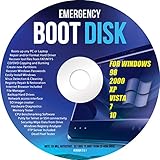
- Emergency Boot Disk for Windows 98, 2000, XP, Vista, 7, and 10. It has never ben so easy to repair a hard drive or recover lost files
- Plug and Play type CD/DVD - Just boot up the CD and then follow the onscreen instructions for ease of use
- Boots up any PC or Laptop - Dell, HP, Samsung, Acer, Sony, and all others
- Virus and Malware Removal made easy for you
- This is your one stop shop for PC Repair of any need!
Microsoft states of Windows 7 System Restore: “System Restore does not restore user data or documents, so it will not cause users to lose their files, e-mail, browsing history, or favorites.” That is a statement about the intended behavior of the feature; it does not make System Restore a backup, nor should it be taken as a guarantee that every recovery attempt is risk-free. Make a copy of important data that is still accessible before attempting recovery.
Will System Restore restore a user profile or recover deleted files?
No. Selecting an earlier restore point does not bring back a deleted profile, a deleted document, or an earlier copy of files in Documents, Desktop, photos, email, or Downloads. A profile can be damaged or inaccessible even when the files associated with it still exist, but System Restore is not the tool for copying those files back or rebuilding the profile.
Rank #2

- Data recovery software for retrieving lost files
- Easily recover documents, audios, videos, photos, images and e-mails
- Rescue the data deleted from your recycling bin
- Prepare yourself in case of a virus attack
- Program compatible with Windows 11, 10, 8.1, 7
Choose a recovery route based on what is missing:
- Deleted or missing personal files: Check for a backup made for personal files. Microsoft describes Windows backup and recovery options, including File History copying personal files to external or network storage. Confirm that the feature and instructions apply to your Windows version; the current page includes Windows 10 and 11 guidance.
- Unable to sign in to, or apparent corruption of, a profile: Treat this as a profile problem rather than a deleted-file problem. Microsoft’s current corrupted-profile guidance describes creating a new profile and copying recoverable files, but its instructions apply to Windows 10 and 11, not explicitly Windows 7. Some email data and application configuration may need separate handling.
- A problem that began after a system change: Consider System Restore for that system problem, while keeping important accessible personal files backed up separately.
How should you choose the next step?
- Identify what failed. Is the issue a recent system change, missing personal files, or trouble accessing a user profile? Do not treat these as interchangeable problems.
- For missing files, look for a file backup. Check the backup locations you actually used, such as an external drive or network location. System Restore is not a substitute for that copy.
- For a damaged profile, preserve accessible data. Copy important files you can still reach before making changes. Use instructions that explicitly cover Windows 7; later-version profile-repair steps are not verified Windows 7 procedures.
- For a recent system-change problem, evaluate System Restore. Use it for the system issue, not as a way to retrieve documents or reconstruct profile contents.
Windows 7-specific Microsoft documentation establishes the key boundary: System Restore does not restore user data or documents. Microsoft’s current backup and profile-repair pages can help explain the general distinction, but their Windows 10 and 11 instructions should not be silently treated as Windows 7 directions.
Quick Recap
Best Value

- NOTE: This USB flash drive does not include a Windows key, you must have a Windows key to activate Windows, but you can still clean install or reinstall Windows 7.
- Latest Version: Deployed with the latest official original version of Windows 7 (SP1), no viruses, no spyware, 100% clean.
- Professional: Using professional Windows 7 production tool to ensure product quality.
- Compatibility: Compatible with all PC brands, laptop or desktop, 64-bit/32-bit, Dell, HP, Sony, Lenovo, Samsung, Acer, Toshiba and more.
- Plug & Play: Includes user guide and online technical support services. Plug it in and you are ready to go.
Rank #4
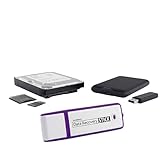
- The Data Recovery Stick requires no technical skills — simply plug it into your Windows computer, click Start, and the software automatically begins scanning and recovering lost files within minutes. Compatible with Windows Vista, 7, 8, 10, & 11, it's designed to be a reliable first step when accidental deletion occurs.
- Recover photos (JPG, BMP, PNG, TIFF), Microsoft Office documents (Word, Excel, PowerPoint, Publisher, Access), Open Office files, MP3 music files, PDFs, RTF documents, AutoCAD files, and HTML web pages. Whether it's personal memories or critical business files, the Data Recovery Stick covers the file types that matter most.
- Works with hard drives, USB drives, SD cards, memory sticks, and other common storage formats that use FAT or NTFS file systems — making it a single solution for hard drive recovery, USB drive recovery, SD card recovery, and more. Note: a media reader is required for micro SD cards and some mass storage devices.
- No Installation Required - The Data Recovery Stick runs entirely from the USB drive with no software installation on your computer — helping prevent new data from overwriting the files you're trying to recover. This also makes it ideal for use across multiple computers or in emergency situations where installation isn't practical.
- Use the Data Recovery Stick on as many computers as often as needed — simply clear the recovered data between uses to free up storage space. Software updates keep the tool compatible with newer systems and devices, backed by 25+ years of data software expertise from Paraben Consumer Software.
Rank #3

- [MISSING OR FORGOTTEN PASSWORD?] Are you locked out of your computer because of a lost or forgotten password or pin? Don’t’ worry, PassReset DVD will reset any Windows User Password or PIN instantly, including Administrator. 100% Success Rate!
- [EASY TO USE] 1: Boot the locked PC from the PassReset DVD. 2: Select the User account to reset password. 3: Click “Remove Password”. That’s it! Your computer is unlocked.
- [COMPATIBILITY] This DVD will reset user passwords on all versions of Windows including 11, 10, 8, 7, Vista, Server. Also works on all PC Brands that have Windows as an operating system.
- [SAFE] This DVD will reset any Windows User password instantly without having to reinstall your operating system or lose any data. Other Passwords such as Wi-Fi, Email Account, BIOS, Bitlocker, etc are not supported.
- [100% GUARANTEED] Easily reset recover any Windows User password instantly. 100% sucess rate!
Product prices and availability are accurate as of the date/time indicated and are subject to change. Any price and availability information displayed on Amazon at the time of purchase will apply.
Quick wins for a faster PC:
Repair Windows errors before they cause bigger problemsFix Now →Fix the driver behind crashes, sound loss and screen glitchesFind Drivers →Clear out junk files and repair common Windows errorsFree Scan →
