
Quick wins for a faster PC:
Scan for outdated or missing drivers - takes under a minuteDriver Scan →Clear out junk files and repair common Windows errorsFree Scan →Fix the driver behind crashes, sound loss and screen glitchesFind Drivers →To add Applitools Eyes visual checks to a Cypress end-to-end test, keep Cypress in charge of driving the application, install the Eyes Cypress SDK, configure its API key, and add named visual checkpoints to the states you want to protect. Run the spec with Cypress, then review the comparison in Eyes Test Manager. The commands below are vendor-documented examples; confirm package names and API syntax against the current SDK documentation before using them in a new project.
How the Cypress and Eyes workflow fits together
Cypress continues to perform the application interactions and functional checks. Eyes adds visual checkpoints: at a chosen point in the test, it captures the rendered page and compares it with a saved baseline. You then review the result in Test Manager. Applitools lists Cypress among its Eyes SDK options: Applitools Cypress integration.

This is visual validation layered into an end-to-end flow, not a replacement for Cypress assertions. A changed screenshot can indicate a defect, but it can also reflect an intentional design change or an unstable test state. Review the difference before deciding whether to update a baseline.
Prepare the project and install Eyes
- Run the existing Cypress suite first. Confirm that the application starts and the ordinary end-to-end spec passes before adding visual checks. This gives you a known-good functional test to diagnose separately from Eyes.
- Install the Cypress Eyes SDK. Applitools tutorials document this example command:
npm install @applitools/eyes-cypress --save-dev. SDK instructions can change, so verify the current package name and supported version in the official Cypress integration information. - Run the guided setup. The tutorial example is
npx eyes-setup. It configures the integration and adds the Eyes commands to the Cypress project. Check the current SDK instructions if the command is unavailable or setup differs for your Cypress version. - Provide the API key securely. Applitools’ cross-browser tutorial describes setting the key in the
APPLITOOLS_API_KEYenvironment variable. Keep it out of source control; in CI, store it in the platform’s secret store and expose it to the test job. Confirm the current key setup procedure in Applitools documentation.
Add visual checkpoints to a Cypress spec
Open an Eyes test around the application flow, call a checkpoint after the page reaches a meaningful state, and close the Eyes test. Give each checkpoint a name that identifies what the reviewer should see.
Recommended Free Tools
#1 Best Overall

- Grafco Ishihara Test Chart Book
- Package Info: Each
- Includes four special plates for tests to determine the kind and degree of defect in color vision.
- Image may not reflect actual product sold. Please read description carefully.
- GHF1254
describe('Account overview', () => {
  it('shows the account page and open menu', () => {
    cy.eyesOpen({
      appName: 'Web App',
      testName: 'Account overview'
    });

    cy.visit('/account');
    cy.eyesCheckWindow('Account overview');

    cy.get('[data-testid="menu"]').click();
    cy.eyesCheckWindow('Account menu open');

    cy.eyesClose();
  });
});
This illustrates the command pattern shown in Applitools tutorials; it is not a tested, version-specific spec. Confirm the installed SDK’s exact syntax and adapt test setup, failure handling, and cleanup to your project. In particular, ensure the test reaches the intended page state before capturing it: asynchronous loading, animations, or changing data can make visual results difficult to interpret.
Choose checkpoints for useful states
- Capture states the test is intended to protect, such as a fully rendered account overview or a menu after it opens.
- Use stable checkpoint names so reviewers can identify the page state in results.
- Keep ordinary Cypress assertions where they test behavior or content. A visual comparison complements those checks rather than replacing them.
Run the spec and review the result
The Applitools walkthrough runs Cypress using npx cypress run and a --spec argument. For example, if your spec is cypress/e2e/account.cy.js, run:
Rank #2

- individuals with color vision defect should see a different figure from individuals with normal color vision.
- Makes use of the peculiarity that in red-green blindness, blue and yellow appear remarkably bright compared with red and green
- Diagnostic plates: intended to determine the type of color vision defect
- Ishihara Test Chart Books for Color Deficiency 24 Plates with usar manual
npx cypress run --spec cypress/e2e/account.cy.jsAfter the run, follow its Eyes result link or open Test Manager. The documented flow sends checkpoint screenshots to Eyes Server for comparison with stored baselines, then returns a result for review. Decide whether each visual change is unexpected or an approved design change; update a baseline only after that decision. Baseline and first-run behavior can depend on SDK version or account configuration, so check current Applitools guidance rather than assuming a particular automatic acceptance policy.
Extend coverage across browsers and viewports
Applitools’ Ultrafast Grid tutorial describes rendering visual tests against selected browser and viewport configurations. It identifies three configuration locations: arguments to cy.eyesOpen(), environment variables, or an applitools.config.js file. See the Applitools cross-browser tutorial.
Rank #3

- Vanishing design: Only people with good color vision can see the sign. If you are colorblind you won’t see anything.
- Transformation design: Color blind people will see a different sign than people with no color vision handicap.
- Hidden digit design: Only colorblind people are able to spot the sign. If you have perfect color vision, you won’t be able to see it.
- Classification design: This is used to differentiate between red- and green-blind persons. The vanishing design is used on either side of the plate, one side for deutan defects an the other for protans.
In that workflow, Cypress drives the test and provides the captured state; the grid performs visual rendering and validation for selected targets. Do not assume each target runs the Cypress test itself. The cited tutorial is older, so verify supported browsers, device targets, limits, and configuration syntax in current SDK documentation before planning coverage.
Troubleshoot common setup and result problems
| Symptom | Likely cause | What to check |
|---|---|---|
eyes-setup is not found |
The SDK may not be installed in the project, the command may differ in the current SDK, or setup may be running from the wrong directory. | Run the command from the project root after checking the current Cypress SDK installation instructions and package name. |
| Authentication fails | APPLITOOLS_API_KEY is missing from the process environment or is not available to the CI job. |
Check the local shell or CI secret configuration without printing or committing the key. Confirm the current Applitools key setup instructions. |
| Eyes commands are unavailable in the spec | The integration setup may not have completed, or the project’s Cypress configuration may not load the SDK commands as expected. | Recheck the current SDK setup steps and ensure Cypress runs with the project configuration where setup was performed. |
| A checkpoint captures a partial or inconsistent page | The application may still be loading, or the test may capture during animation or changing content. | Wait for a meaningful application condition before the checkpoint and reduce avoidable sources of visual variation. |
| A visual difference appears after a deliberate redesign | The current result differs from its stored baseline, even though the change may be intended. | Review the comparison in Test Manager and update the baseline only after approving the change. |
| Cross-browser results do not match expected targets | Grid configuration, target availability, or syntax may differ from the older tutorial. | Verify current supported targets and configuration in the SDK documentation; do not infer target availability from the tutorial alone. |
Or skip the browser setup
For a direct website screenshot rather than a Cypress-driven test, ScreenshotNeo offers a one-request screenshot API and an MCP server for AI agents. A basic request is:
Quick Recap
Rank #4
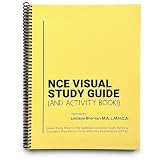
- This illustrated & interactive study guide for the National Counselor Exam (NCE) uses images, colors, mnemonics, and humor to engage brains in effective study.
- 150+ page activity book including coloring book pages, fill in the blank sheets, and tear-out flashcards with content addressing all domains covered in the NCE + CPCE counselor exams.
- Full size 8.5x11, spiral-bound for lie-flat studying.
- Printed on premium, 80lb textured paper you can color and highlight with no bleed.
- Drawn by (human!) hand. Printed and bound in the USA.
curl -G "https://api.screenshotneo.com/v1/shot" -d access_key=YOUR_API_KEY --data-urlencode url=https://stripe.com -o shot.webpSee the ScreenshotNeo API documentation for options and response details. Cookie banners, popups, and chat widgets are removed before the shot; bot checks, blank pages, and failed loads are never billed. Its MCP server lets AI agents take screenshots. The free plan includes 1,000 screenshots a month with no card, and paid plans start at $5 for 3,000. Sign up for free.
Product prices and availability are accurate as of the date/time indicated and are subject to change. Any price and availability information displayed on Amazon at the time of purchase will apply.
The Tool Desk
Outbyte Driver Updater FREEScan for outdated or missing drivers - takes under a minuteDriver Scan →Outbyte PC Repair FREEClear out junk files and repair common Windows errorsFree Scan →
