
You can create a 24/7 TV-style YouTube channel by turning a playlist of videos you have rights to use into one continuous audio-video feed, then sending that feed to YouTube with an encoder. A YouTube playlist by itself will not run as a continuous livestream: YouTube receives the live feed from an encoder, while Studio scheduling or the Live Streaming API manages the viewer-facing broadcast.
What a 24/7 YouTube TV-style channel actually is
Think of the channel as linear programming: viewers tune in to a livestream that is already playing, rather than choosing an item from a playlist page. Your videos are the programming source. A separate playout or automation setup sequences them and produces a continuous audio-video output; an encoder sends that output to YouTube.
YouTube distinguishes the stream, which carries the encoder’s feed, from the broadcast, the event viewers watch. The Live Streaming API lets channel owners manage those resources and associate a stream with a broadcast. YouTube Studio also supports scheduling a livestream. Neither feature, by itself, documents automatic conversion of a playlist into a 24/7 live feed. See YouTube’s explanation of broadcasts and streams and its Live Streaming API overview.
What you need before going live
- Programming: video files arranged into a sequence or rotation, with permission to rebroadcast each item.
- Playout: a workflow or system that turns the sequence into one continuous audio-video feed. YouTube’s playlist feature is not that playout system.
- An encoder: software or hardware that sends the feed to YouTube using its server URL and a stream key.
- A verified channel: YouTube’s livestream tips say the channel must be verified and must not have had a livestream restriction in the prior 90 days. Check current channel eligibility in YouTube Studio.
- Monitoring and recovery: a way to check audio and video continuity and restart or restore the feed if the encoder or connection stops.
- An archive plan, if needed: do not rely on a single 24/7 broadcast to produce a complete replay file.
How to create the channel, step by step
1. Choose and clear the programming
Decide what the channel will show, how often the sequence repeats, and whether you will use a fixed schedule or a repeating rotation. Before adding a video, confirm you have the rights to livestream it. YouTube’s livestream terms and conditions put responsibility on the provider to have the necessary worldwide rights for live content, including relevant music rights involving artists, record labels, publishers and other royalty participants. Owning a copy of a video or finding it online does not, on its own, establish permission to rebroadcast it.
Outdated Drivers Are Slowing You Down
One free scan finds every outdated or missing driver and matches the right update for your exact hardware.Free scan · exact hardware matchWindows Errors? Fix Them Before They Spread
Repair common Windows errors and clear accumulated junk for a smoother, more stable PC - no reinstall needed.Free scan · no reinstall#1 Best Overall

- HD streaming made simple: With America’s number 1 TV streaming platform,* exploring popular apps—plus tons of free movies, shows, and live TV—is as easy as it is fun. *Based on hours streamed—Hypothesis Group
- Compact without compromises: The sleek design of Roku Streaming Stick won’t block neighboring HDMI ports, and it even powers from your TV alone, plugging into the back and staying out of sight. No wall outlet, no extra cords, no clutter.
- No more juggling remotes: Power up your TV, adjust the volume, and control your Roku device with one remote. Use your voice to quickly search, play entertainment, and more.
- Shows on the go: Take your TV to-go when traveling—without needing to log into someone else’s device.
- TV, simplified: With setup that only takes minutes, a simple-to-navigate Home Screen, and an uncluttered remote control that does all you need—Roku makes it easier to watch the TV you love.
2. Build one continuous programming feed
Arrange the authorized videos in your chosen order and configure your playout workflow to output them as a continuous audio-video feed. Decide what happens at the end of the sequence: it may repeat, move to another playlist, or switch to a holding slate if your workflow supports one. Test transitions and audio levels before relying on unattended playback.
This is the step that makes the idea a channel rather than a list. YouTube’s documented role is to ingest the encoder’s live feed and present the broadcast; the reviewed YouTube documentation does not describe native playlist-to-livestream automation. Choose and verify a separate playout method for the rotation you need rather than assuming that putting videos in a YouTube playlist will keep a live event running.
3. Schedule a livestream in YouTube Studio
- Open YouTube Studio and go to Live Control Room.
- Select Manage, then Schedule Stream.
- Create a stream or reuse settings, then enter the title, visibility and other broadcast details that suit your channel.
- Share the scheduled watch-page URL if you want viewers to find the event in advance or set a reminder.
YouTube describes scheduling as a way to promote a stream, share its URL and let viewers set reminders. Studio scheduling creates and manages the viewer-facing event; it does not assemble your playlist into the outgoing feed. The steps and labels are documented in Create a YouTube live stream with an encoder.
Rank #2

- Ultra-speedy streaming: Roku Ultra is 30% faster than any other Roku player, delivering a lightning-fast interface and apps that launch in a snap.
- Cinematic streaming: This TV streaming device brings the movie theater to your living room with spectacular 4K, HDR10+, and Dolby Vision picture alongside immersive Dolby Atmos audio.
- The ultimate Roku remote: The rechargeable Roku Voice Remote Pro offers backlit buttons, hands-free voice controls, and a lost remote finder.
- No more fumbling in the dark: See what you’re pressing with backlit buttons.
- Say goodbye to batteries: Keep your remote powered for months on a single charge.
4. Connect the encoder securely
- In YouTube’s live setup, locate the stream’s server URL and stream key.
- In your encoder, enter those values in the corresponding server and key fields, then select the output from your playout workflow.
- Keep the stream key private. YouTube describes it as the address and password that allow an encoder to send content to your channel; anyone with access to it may be able to send a feed.
- Start the encoder and confirm YouTube receives the signal before you make the broadcast public or start the scheduled event.
Exact encoder controls vary, so use the labels in your chosen software or hardware. The key operational requirement is that the encoder sends the continuous feed to the correct YouTube stream. Do not publish the stream key in a video, chat, screenshot or public configuration.
Recommended Free Tools
5. Preview, start and monitor
Check the preview for picture, sound, transitions and unwanted gaps before starting the broadcast. YouTube recommends setting up an encoder well ahead of an event, starting it at least 15 minutes before the scheduled start, and continuing to monitor the stream’s quality. Its tips also recommend checking accessibility from watch pages and mobile devices. The two-hour setup and 15-minute start timings are event recommendations, not universal technical thresholds for every continuous channel. See YouTube live streaming tips.
During operation, check both ends of the chain: that the playout system is still producing the expected program and that YouTube is receiving usable audio and video. A successful encoder connection does not prove the playlist is advancing correctly. Set up a way to notice interruptions and restore the feed.
Rank #3

- 4K streaming made simple:With America’s number 1 TV streaming platform,* exploring popular apps—plus tons of free movies, shows, and live TV—is as easy as it is fun. *Based on hours streamed—Hypothesis Group
- 4K picture quality: With Roku Streaming Stick Plus, watch your favorites with brilliant 4K picture and vivid HDR color.
- Compact without compromises: Our sleek design won’t block neighboring HDMI ports, and it even powers from your TV alone, plugging into the back and staying out of sight. No wall outlet, no extra cords, no clutter.
- No more juggling remotes: Power up your TV, adjust the volume, and control your Roku device with one remote. Use your voice to quickly search, play entertainment, and more.
- Shows on the go: Take your TV to-go when traveling—without needing to log into someone else’s device.
Scheduling, API control and feed delivery are different jobs
| Part | What it does | What it does not do on its own |
|---|---|---|
| YouTube Studio scheduling | Creates and manages a viewer-facing broadcast; lets you share a scheduled watch page and viewers set reminders. | Does not turn a YouTube playlist into the encoder’s continuous output. |
| Live Streaming API | Lets an authorized channel owner manage broadcast and stream resources and associate them. | Does not remove the need for a system to produce and send the actual video feed. |
| Encoder | Sends audio-video content to YouTube using the stream URL and key. | Does not necessarily build or rotate a program playlist; that depends on the separate playout workflow. |
For API-driven scheduling, YouTube represents broadcasts and streams as separate resources. Its API documentation describes reusing a stream for scheduled broadcasts when only one event is live at a time, as well as using a continuing 24/7 feed alongside a separate broadcast for a subset of that feed. These are management patterns, not a playlist automation recipe; see the resource explanation and LiveBroadcasts API reference.
Choose a setup that matches how hands-on you want to be
A do-it-yourself setup gives you control over the playout and encoder, but you are responsible for keeping the feed running and responding when a component or connection stops. A hardware encoder is one possible equipment route; YouTube recommends professional-grade hardware encoders for higher-production events, but no particular model is required by the cited guidance, and hardware alone does not establish playlist-automation compatibility.
What’s actually slowing this PC down?
Pick the symptom - the matching free tool is one click away.
If you build a custom HLS ingestion workflow, YouTube’s HLS guidance covers a different, technical route. It calls for a conforming media playlist and segments, muxed audio and video, HTTPS, and supported codecs and containers. It is encoder-ingestion documentation, not a consumer-ready way to schedule a YouTube playlist as a channel.
Rank #4
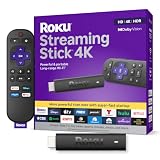
- Stunning 4K and Dolby Vision streaming made simple: With America’s number 1 TV streaming platform,* exploring popular apps—plus tons of free movies, shows, and live TV—is as easy as it is fun. *Based on hours streamed—Hypothesis Group
- Breathtaking picture quality: Stunningly sharp 4K picture brings out rich detail in your entertainment with four times the resolution of HD. Watch as colors pop off your screen and enjoy lifelike clarity with Dolby Vision and HDR10+.
- Seamless streaming for any room: With Roku Streaming Stick 4K, watch your favorite entertainment on any TV in the house, even in rooms farther from your router thanks to the long-range Wi-Fi receiver.
- Shows on the go: Take your TV to-go when traveling—without needing to log into someone else’s device.
- Compact without compromises: Our sleek design won’t block neighboring HDMI ports, so you can switch from streaming to gaming with ease. Plus, it’s designed to stay hidden behind your TV, keeping wires neatly out of sight
Plan archives separately from the live channel
YouTube Help says livestreams under 12 hours are automatically archived. That guidance does not promise a complete automatic archive for a 24/7 broadcast. If reliable replays matter, record the program separately or consider shorter programming blocks, and confirm the current behavior in Studio before depending on YouTube’s archive. A continuous live channel and a dependable replay library are separate operational needs.
Common problems and what to check
- YouTube shows no incoming video: Check that the encoder is running, the selected output is the playout feed, and the server URL and stream key belong to the intended stream. Keep the key private and replace it if it has been exposed.
- The scheduled event exists, but viewers do not see a program: Scheduling sets up the broadcast, not the playlist feed. Confirm the encoder is sending and that the playout system is outputting video.
- The stream is live but the same item never changes: Inspect the playlist or playout rotation and its end-of-item behavior. YouTube does not automatically advance a creator’s playlist as a live feed.
- There is a gap or the feed stops after a video ends: Check whether the playout workflow is configured to continue to the next item and whether it handles an empty or failed source. Test the entire sequence, including its final item, before leaving it unattended.
- Picture is present but audio is missing or wrong: Verify the playout output’s audio track and encoder input, then listen to the YouTube preview and watch page. Continue monitoring after launch.
- The channel cannot start a livestream: Check verification and channel restrictions in Studio. YouTube’s tips page identifies no livestream restriction in the prior 90 days as an eligibility condition.
- A replay is incomplete or absent: A 24/7 stream is not covered by YouTube’s under-12-hour automatic archive statement. Use a separate recording or shorter blocks if a complete replay is essential.
Or let it run in the cloud
If you do not want to maintain a computer and playout setup at home, StreamNeo is a cloud service for keeping a YouTube channel live from uploaded videos. Upload a recording or build a playlist, add your YouTube stream key once, and go live. It loops the uploaded content from the cloud, so nothing has to stay on at home. Each slot streams what you upload, up to 4K 60fps, at one price per slot; it also includes automatic recovery if YouTube drops the stream. The first day is free with no card. Monthly pricing is $9.99 per month. StreamNeo plays uploaded videos and streams to YouTube; it does not go live from a camera. Learn more at StreamNeo, or start your free first day.
Quick Recap
Product prices and availability are accurate as of the date/time indicated and are subject to change. Any price and availability information displayed on Amazon at the time of purchase will apply.
The Tool Desk
Outbyte PC Repair FREEClear out junk files and repair common Windows errorsFree Scan →Outbyte Driver Updater FREEScan for outdated or missing drivers - takes under a minuteDriver Scan →
