
Cypress stellte den LUPA-1300-2 am 22. Oktober 2007 als schnellen CMOS-Bildsensor für Machine Vision und Bewegungsanalyse vor. Er liefert bis zu 500 Bilder pro Sekunde bei voller Auflösung von 1280 × 1024 Pixeln. Sein synchroner, pipelined Snapshot Shutter erfasst das nächste Bild, während das vorherige ausgelesen wird – eine Kombination für industrielle Bildverarbeitung, nicht für eine eigenständige Consumer-Kamera.
Was die 500 Bilder pro Sekunde bedeuten
Die Angabe von maximal 500 fps bezieht sich auf den LUPA-1300-2 bei voller SXGA-Auflösung von 1280 × 1024 Pixeln. Cypress nannte diesen Wert 2007; er ist eine spezifizierte maximale Sensorrate und keine Aussage über die Bildrate einer fertigen Kamera. Die tatsächliche Systemleistung hängt auch von Auslesemodus, Host beziehungsweise FPGA und der Verarbeitungskette ab. Programmierbares Windowing und Subsampling können die zu übertragende Datenmenge verringern und die effektive Bildrate bei ausgewählten Bildbereichen erhöhen.
Technische Eckdaten des LUPA-1300-2
| Merkmal | Angabe |
|---|---|
| Aktive Auflösung | 1280 × 1024 Pixel, rund 1,3 Megapixel |
| Maximale Bildrate | Bis zu 500 fps bei voller Auflösung |
| Pixelgröße und optisches Format | 14 µm × 14 µm; 1-Zoll-optisches Format |
| Wandler | 10-Bit-ADCs auf dem Chip |
| Datenausgänge | Zwölf serielle LVDS-Ausgänge; Infineon beschreibt zusätzlich einen LVDS-Synchronisationskanal |
| Shutter und Modi | Pipelined, getriggert und Snapshot beziehungsweise synchroner Global Shutter |
| Bildbereichsauswahl | Programmierbares Windowing und Region-of-Interest-Auslesung; Subsampling |
| Dynamikbereich | Mehrfach-Slope-Funktion; laut Datenblatt bis zu 90 dB optischer Dynamikbereich |
| Gehäuse und Varianten | 168-Pin-uPGA; monochrome und Bayer-RGB-Versionen vorgesehen |
Wie der pipelined Snapshot Shutter arbeitet
Der Sensor integriert das nächste Bild, während er das zuvor erfasste Bild ausliest. Diese parallele Abfolge ermöglicht hohe Bildraten, ohne die Aufnahmebewegung einfach mit einem fortlaufenden Rolling-Shutter-Auslesen abzutasten. Cypress beschrieb den praktischen Effekt als Aufnahme bewegter Objekte ohne Verzerrung; wie bei jeder Systemspezifikation hängt das Ergebnis einer Kamera auch von Belichtung, Beleuchtung und Integration ab.
Der Shutter-Modus ist daher besonders relevant, wenn schnelle Bewegung möglichst gleichzeitig über das Bildfeld erfasst werden muss. Er ist von der Bildrate zu unterscheiden: 500 fps beschreibt, wie oft der Sensor Bilder liefern kann, der Snapshot Shutter beschreibt, wie die Bildaufnahme zeitlich erfolgt.
Outdated Drivers Are Slowing You Down
One free scan finds every outdated or missing driver and matches the right update for your exact hardware.Free scan · exact hardware matchPC Slower Than It Used to Be?
A free scan shows the junk files, broken settings and background clutter dragging Windows down - then fixes them in one click.Free scan · Windows 10 & 11#1 Best Overall
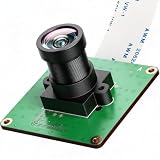
- Raspberry Pi Camera CAM-MIPI462RAW is an Industrial Camera Module for all Raspberry Pi.
- Sensor Type: STARVIS IMX462LQR Color CMOS Active Pixel type Solid-state Image Sensor with Square Pixel Array 2 MP Effective Pixels. Diagonal 6.46 mm (Type 1/2.8). Pixel count: 1920x1080. High to 60 fps.
- This IMX462 module connects to the CSI connector on the Raspberry Pi directly. Using the build-in driver same as imx290(74.25M Hz).
- Match a wide angle Lens. Fov(D)=148 degrees, Fov(H)=118 degrees. Focal distance is adjustable.
- Comes with user manual, test demo and friendly technology support. We offer custom-design service.
LVDS, Windowing und Einbindung in ein Kamerasystem
Die zwölf seriellen LVDS-Ausgänge transportieren die digitalen Bilddaten mit hoher Datenrate und geringer Störanfälligkeit über die Leiterplatte. Laut technischer Dokumentation stellt der Host beziehungsweise ein FPGA den LVDS-Takt bereit; vorgesehen sind Master-, Slave- und Trigger-Modi. Der zusätzliche Synchronisationskanal wird in der Infineon-Dokumentation genannt.
Windowing beziehungsweise ROI-Auslesung lässt das System gezielt einen ausgewählten Ausschnitt statt des gesamten Bildfelds übertragen. Das kann bei einer Inspektion oder Bewegungsanalyse Bandbreite und nachgelagerte Verarbeitung sparen. Subsampling und ROI können zudem die effektive Rate steigern, verändern dabei aber den ausgelesenen Bildinhalt gegenüber der vollständigen Auflösung.
Rank #2

- 【Native UVC Compliance】High-Speed USB 2.0 Interface, Native driver on Windows 11/10/7, Mac OS, Linux, Ubuntu and Android system. Direct integration with Raspberry Pi, Jetson Nano, Notebook, Desktop and industrial SBCs.
- 【Superior Performer】Up to 1080P*30 fps. Support YUY2 and MJPEG format. Designed to perform reliably in both Indoor and Outdoor environments.
- 【Wide Angle Lens】Fov(D) = 130 degrees and Fov(H) = 103 degree, with industry-standard M12 lens thread for optical customization.
- 【OEM-Ready Design】32x32mm PCB with 4x M2 holes. You also could buy the matching metal housings on our Amazon shop separately.
- 【Compliance And Safety】FCC/CE/UKCA certified, RoHS & REACH-SVHC compliant, tested by accredited labs.
Für welche Anwendungen der Sensor gedacht war
Cypress positionierte den LUPA-1300-2 für Machine Vision und Bewegungsanalyse. Die technischen Unterlagen nennen außerdem intelligente Verkehrssysteme, medizinische Bildgebung sowie industrielle Bildgebung. Die Auflösung von rund 1,3 Megapixeln ist dabei Teil eines auf Geschwindigkeit und kontrollierte Bildaufnahme ausgelegten Bausteins.
Der LUPA-1300-2 ist ein Sensor für die Integration in eine Kamera- oder Bildverarbeitungsplattform. Er ist keine eigenständige Kamera: Optik, Stromversorgung, Taktung, FPGA oder Host, Datenverarbeitung und gegebenenfalls Frame-Grabber gehören zur umgebenden Systemlösung.
Do these 3 things before closing this tab:
1Fix the driver behind crashes, sound loss and screen glitches2Clear out junk files and repair common Windows errors3Scan for outdated or missing drivers - takes under a minuteRank #3

- 【Plug & Play USB Device】High-Speed USB 2.0 Interface, Native driver on Windows 11/10/7, Mac OS, Linux, Ubuntu and Android system. Raspberry Pi, Jetson Nano, Notebook, Desktop and Tablet PC.
- 【Superior Performer】Up to 720P@30fps video streaming with simultaneous YUY2 & MJPEG formats over USB 2.0 interface. Ideal for machine vision and edge AI applications.
- 【Wide Angle Lens】Fov(D)=120 degrees and Fov(H)=102 degree, with industry-standard M12 lens thread for optical customization.
- 【Stable and Flexible】32*32 mm compact size, Easy to be installed in various occasions. You also could buy the matching metal stamping shell (ASIN:B0CLXV25NR) on our Amazon shop separately.
- 【Compliance And Safety】FCC/CE/UKCA certified, RoHS & REACH-SVHC compliant, tested by accredited labs.
Was über die heutige Verfügbarkeit bekannt ist
Die dokumentierten Leistungsangaben stammen aus Veröffentlichungen und technischen Unterlagen von 2007 bis 2014. Sie belegen die damaligen Spezifikationen, aber nicht, ob der LUPA-1300-2 2026 regulär lieferbar ist, abgekündigt wurde oder ein Nachfolgeprodukt besitzt. Wer ihn für ein neues System evaluieren möchte, sollte den aktuellen Status bei Infineon oder autorisierten Distributoren prüfen.
Quick Recap
Best Value

- Based on 1MP monochrome (black&white) global shutter sensor OV9281, assembled with a 70°(H) low distortion M12 lens without IR pass filter, sensitive to IR.
- Global Shutter: Shoot high-speed moving objects in crisp sharp images. Avoid the rolling artifacts to get a much more accurate complete picture than the rolling shutter cameras. Reserved external trigger ports, support trigger via external signal.
- Resolution: 1MP 1280H x 800V; Frame Rates: MJPG 100fps@1280 x 800/800 x 600/640 x 480/320 x 240; YUY2 10fps@1280 x 800/1280 x 720. Note: Please change the default frame rate of the software to meet your higher frame rate requirement.
- Plug&Play: UVC-compliant, just connect the camera to PC computer, laptop, Android device or Raspberry Pi with the USB cable without extra drivers to be installed.
- Applications: The sensor's excellent low-light sensitivity and the low distortion lens allow it to perform better in any application that needs gesture and eye tracking, iris and physiognomy recognition, depth and motion detection.
Rank #4

- CAM-MIPIOV9281 is an Industrial Camera Module for whole series Raspberry Pi, Support the libcamera/rpicam tools.
- On-board OmniVision OV9281 Monochrome(Black&White) CMOS Sensor, 1M Pixel. With global shutter design eliminates motion distortion, making it especially suitable for high-speed imaging scenario.
- The built-in OV9281 driver on the Raspberry Pi Os supports RAW8 and RAW10 output formats, with resolutions of 1280x800, 1280x700, and 640x400. The maximum frame rate can reach up to 309 fps.
- Supports external trigger for rpi-cam/libcamera, Interfaces with optical isolation.
- Comes a wide angle Lens. Fov(D)=148 degrees, Fov(H)=118 degrees. Focal distance is adjustable.
Product prices and availability are accurate as of the date/time indicated and are subject to change. Any price and availability information displayed on Amazon at the time of purchase will apply.

