
Quick wins for a faster PC:
Scan for outdated or missing drivers - takes under a minuteDriver Scan →Repair Windows errors before they cause bigger problemsFix Now →Fix the driver behind crashes, sound loss and screen glitchesFind Drivers →ATI announced its acquisition of graphics-chip designer ArtX on February 17, 2000, for approximately $400 million in ATI stock and options. The deal, completed in April, gave ATI integrated-graphics technology and a team of about 70 engineers while bringing it into Nintendo’s Dolphin console project. ArtX’s work became the basis for Flipper, the graphics core in Nintendo GameCube.
What did ATI acquire, and when?
ATI announced the ArtX deal on February 17, 2000. The consideration was approximately $400 million in ATI stock and options, according to EE Times. ATI’s later filing records the acquisition as completed in April 2000.
| # | Preview | Product | Price | |
|---|---|---|---|---|
| 1 |

|
Gamecube Console Platinum (Renewed) | $158.45 | Buy on Amazon |
| 2 |

|
Nintendo Gamecube System Console - Jet Black (Renewed) | $170.00 | Buy on Amazon |
| 3 |
|
GameCube (Jet Black) (Renewed) | $172.42 | Buy on Amazon |
| 4 |
|
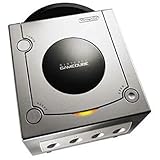
Gamecube Console Platinum | $129.79 | Buy on Amazon |
| 5 |

|
GameCube Console - Indigo (Renewed) | $181.75 | Buy on Amazon |
ATI said the purchase brought integrated visual-processing technology, associated research and development, and expertise from about 70 engineers. It was therefore both a technology acquisition and a way to add an experienced graphics-design team.
Why did ATI buy ArtX?
ATI described the acquisition as part of its strategy to expand into the high-volume integrated-graphics market. Integrated graphics put graphics-processing capability into systems alongside other core components, rather than relying solely on a separate graphics card. ArtX added technology and engineering capacity for that broader market.
#1 Best Overall
- Includes Nintendo Platinum GameCube Console, Power Cable, AV Cable, and Nintendo Platinum Controller
- Supports instructions for incredible effects -- your games will be brighter, faster, and more dramatic
- External bandwidth of 3.2GB/sec, for really fast gameplay
- The processor creates 6 to 12 million ploygons per second -- no more slowdowns in the middle of the game
The deal also gave ATI an opening beyond conventional PC graphics. ArtX was already working on graphics technology for Nintendo’s next-generation console, code-named Dolphin. Acquiring the company connected ATI to consumer electronics and the video-game console business as well as to integrated graphics.
How did ArtX’s work become GameCube’s graphics chip?
Dolphin became the project that led to Nintendo GameCube. ArtX supplied graphics technology for the console project; after the acquisition, ATI licensed its proprietary Flipper chip to Nintendo as GameCube’s central graphics core. ATI’s filing thus describes both the commercial relationship and Flipper’s role in the console.
Rank #2
- Includes Nintendo GameCube Jet Black Console, Power Cable, AV Cable, and Nintendo Jet Black Controller for Nintendo GameCube
- The 485MHz processor makes loading & starting the games faster than ever -- no more long load times
- The processor creates 6 to 12 million ploygons per second -- no more slowdowns in the middle of the game
- Supports instructions for incredible effects -- your games will be brighter, faster, and more dramatic
The connection is a direct technology and business lineage: ArtX’s console work entered ATI through the acquisition, and ATI’s Flipper became central to GameCube’s graphics. The sources establish this relationship, but do not detail the engineering changes between ArtX’s Dolphin work and the final Flipper implementation.
Independent reader supportYour contribution helps us test, update, and keep practical guides available for everyone.What happened after the acquisition?
The deal’s value was not limited to the initial payment. ATI reported royalty revenue from Nintendo for Flipper in the first quarter of 2002, showing that the console relationship continued to generate revenue after the acquisition. The available filings establish royalty income, but do not provide a total lifetime royalty amount here.
Rank #3
- Comes with console, 1 controller, power cord, video cord
- Controller is original OEM (not 3rd party)
- Tested and works well. Nice condition
In strategic terms, ATI traded a one-time payment in stock and options for technology, an engineering team, access to integrated graphics opportunities, and a foothold in console graphics. GameCube and Flipper gave that strategy a visible consumer-electronics outcome.
Quick Recap
Best Value
Rank #4
- Includes Nintendo Platinum GameCube Console, Power Cable, AV Cable, and Nintendo Platinum Controller
- Supports instructions for incredible effects -- your games will be brighter, faster, and more dramatic
- External bandwidth of 3.2GB/sec, for really fast gameplay
- The processor creates 6 to 12 million ploygons per second -- no more slowdowns in the middle of the game
- It also includes 64 sound channels -- you'll feel like you're in the game, with the top-quality audio
Sources
- EE Times, February 17, 2000, reporting the announced acquisition and consideration.
- ATI Technologies SEC filing, describing the April 2000 acquisition, its strategic rationale, the engineers and technology gained, and Flipper’s role in GameCube.
- ATI Technologies SEC filing, reporting Nintendo royalty revenue for Flipper in the first quarter of 2002.
Product prices and availability are accurate as of the date/time indicated and are subject to change. Any price and availability information displayed on Amazon at the time of purchase will apply.

