
What’s actually slowing this PC down?
Pick the symptom - the matching free tool is one click away.
The Haxophone is a lightweight, Raspberry Pi-powered electronic instrument with saxophone-style fingering, mechanical keys and a breath sensor. It offers a customizable alternative for quiet practice and portable playing, but its maker says it is not a direct substitute for a traditional saxophone’s sound.
What is a Haxophone?
The Haxophone is an electronic wind instrument built around a Raspberry Pi HAT: a board that attaches to a Raspberry Pi. Cardona Bits describes it as a customizable instrument akin to a travel saxophone. The listed HAT weight is 180 g; that figure is for the HAT, not a complete setup with a Raspberry Pi and any accessories. Cardona Bits’ product listing describes the instrument and its specifications.
It is designed to be played with saxophone-like fingering, but it generates electronic sound rather than acoustic saxophone tone. The maker explicitly says it is “not a direct substitute for a traditional saxophone.”
How does the Haxophone work?
Keys and fingering
The keyboard uses a 3×8 matrix of standard tactile mechanical switches. The high F-sharp key is not physically present, though common high F-sharp mappings are preconfigured in the software. The maker says players can change note mappings and switches, so the layout and response can be customized.
Free tools Windows power users keep installed
One-click scans. No signup required.
#1 Best Overall

- Vangoa digital wind instrument built-in 10 Tones, including alto saxophone, soprano saxophone, clarinet, pan flute, trumpet, violin, harmonica, flute, bamboo flute, and recorder. MIDI connects to Android, IOS, macOS Windows using APP and DAW to extend endless tones
- The electronic wind instrument is equipped two fingerstyle playing, and the electronic touch sound hole can better capture your playing changes, 3 kinds of adjustable blowing sensitivity, bringing better sound dynamics
- Portable digital wind instruments include a speaker output, so you get the same playing experience as traditional instruments, and the headphone connection can ensure a better sound experience, so you don't worry about disturbing others
- Electric wind instrument includes 2*removable and washable silicone nozzles, 1*USB cable, and 1* portable cloth case, 1* 3.5mm wired earphone, easy to carry and ready to use, perfect Christmas and birthday gift
- The mini electronic wind instrument has a built-in 800 mAh rechargeable battery, which allows you to enjoy 4 hours of playing after a full charge, and the compact and portable body ensures you can practice or perform without the restrictions of the venue
Breath and sound
A pressure sensor detects airflow. Crowd Supply describes a Rust-based driver, haxo-rs, that translates key presses and breath into notes, while FluidSynth generates the sound. The HAT includes an amplifier and a 3.5 mm mini-jack for headphones or an external amplifier.
MIDI and Raspberry Pi compatibility
The product listing says USB MIDI output is available only when the Haxophone is used with a Raspberry Pi Zero; it can connect the instrument to an external MIDI synthesizer. The listing describes the built-in amplifier as compatible with Raspberry Pi Zero and Zero W. These are distinct compatibility details, so check the maker’s current board and setup documentation before buying a Raspberry Pi.
Rank #2
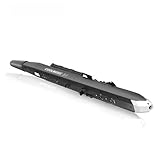
- Sensitive real-time rebound buttons,more accurate response and longer use life.
- 72 instrument timbres options:Multiple fingering,User timbres library,Instantly switch timbres,One-touch tone conversion,Online timbres upgrade,can input external audio source.
- LCD smart display screen,Real time display of timbre, tone, volume, fingering, battery level, octave, and other functions.
- Built-in battery, 8-12 hours of battery life, Type-C interface available for charging with a power bank.
- Built in high-power full frequency speakers, no need for external speakers. At the same time, it also comes with a sound source output interface, which is connected to the speaker to achieve better sound quality performance. Support for earphone monitoring, which effectively prevents disturbance to residents during practice at home. supports connecting devices such as mobile phones for accompaniment.
The USB MIDI feature was announced in a campaign update on September 19, 2023; that dated announcement is historical context, not a substitute for the current product specifications. Read the Haxophone campaign updates.
What does it sound and feel like compared with a saxophone?
The Haxophone has saxophone-style fingering and a breath sensor, but it makes sound electronically through software and an amplifier. Raspberry Pi Official Magazine’s Ben Everard reported the maker’s view that it “will never be a substitute for the sound of a saxophone”; that is an attributed maker judgment, not an independent sound test. Read Ben Everard’s Haxophone article in Raspberry Pi Official Magazine.
Rank #3

- Super compact and portable: The world’s smallest and lightest electronic saxophone—only 1 lb! Fits easily in a backpack or saxophone case so you can practice anywhere.
- Real saxophone feel: Authentic alto mouthpiece and ergonomically designed key layout replicate real saxophone fingering, making transitions between acoustic and digital seamless.
- Silent practice anytime: Plug in headphones or connect via Bluetooth to play without disturbing others—perfect for late-night practice, travel, or shared living spaces.
- Built-in sounds and zero latency: Internal synthesizer with 70+ voices plus instant response for realistic, expressive playing without latency.
- Bluetooth & Midi Connectivity: Connect wirelessly to your phone, tablet, or computer and use as a MIDI controller with DAWs and apps for composing, recording, or practicing with backing tracks.
That distinction matters if the goal is to reproduce the acoustic character and resonance of a conventional saxophone. The Haxophone’s stronger case is a portable, customizable electronic instrument that can be played with headphones or connected to external sound equipment, according to its maker. The available sources do not establish professional performance quality, acoustic equivalence, or measured transfer of learning to an acoustic saxophone.
Haxophone and Yamaha YDS-150: key differences
Both instruments use saxophone-inspired fingering, but they take different approaches to sound, customization and hardware. Yamaha describes the YDS-150 as having an Integrated Bell Acoustic System, a saxophone-modeled mouthpiece and key layout, app-based settings, and volume control. The Haxophone is a Raspberry Pi-based project with open hardware and software files, and its product listing limits USB MIDI output to Raspberry Pi Zero.
Rank #4

- Super compact and portable: The world’s smallest and lightest electronic saxophone—only 1 lb! Fits easily in a backpack or saxophone case so you can practice anywhere.
- Real saxophone feel: Authentic alto mouthpiece and ergonomically designed key layout replicate real saxophone fingering, making transitions between acoustic and digital seamless.
- Silent practice anytime: Plug in headphones or connect via Bluetooth to play without disturbing others—perfect for late-night practice, travel, or shared living spaces.
- 70+ Built-In Sounds with Zero Latency + Bluetooth MIDI Connectivity: Internal synthesizer with 70+ voices delivers instant, realistic response, while wireless Bluetooth MIDI lets you connect to phones, tablets, or computers to compose, record, and practice with DAWs or backing tracks.
- Customize your ideal playing setup – Includes a Mouthpiece, Curved Neck, and Extensor Neck that can be used individually or combined to tailor the ergonomics and playability of your Travel Sax 2 to your personal comfort.
| Consideration | Haxophone | Yamaha YDS-150 |
|---|---|---|
| Fingering and mouthpiece | Saxophone-style keyboard; 3×8 mechanical-key matrix. A saxophone-modeled mouthpiece is not stated on the product page. | Yamaha describes a saxophone-modeled mouthpiece and key layout. |
| Sound generation | Rust-based driver and FluidSynth generate electronic sound; maker says it is not a direct substitute for a traditional saxophone. | Yamaha describes its Integrated Bell Acoustic System. This is a feature description, not a comparative sound test. |
| Headphone practice and volume | 3.5 mm mini-jack for headphones or an external amplifier; maker describes quiet practice with headphones. | Yamaha lists volume control; headphone details are not stated on the cited product page. |
| Portability and weight | Product listing gives 180 g for the HAT; a complete setup also requires a Raspberry Pi. | Weight is not stated here. See Yamaha’s YDS-150 product page for its current specifications. |
| Customization and repair | Maker offers hardware, software, assembly and repair files; switches, mappings and sounds can be changed. | Yamaha describes app-based settings; comparable user-replaceable hardware and repair files are not stated on the cited product page. |
| MIDI and computer integration | USB MIDI output is listed for Raspberry Pi Zero only. | MIDI connectivity details are not stated on the cited product page. |
| Cost | As displayed on September 30, 2026, Crowd Supply listed the assembled HAT at $236 and a separate Raspberry Pi Zero WH add-on at $16, with shipping separate. Prices and availability can change. | Price is not stated here; check Yamaha or a current seller for the relevant region. |
The Haxophone’s comparison table on its product listing includes manufacturer ratings for sound and price. Those are the maker’s assessments, not independent measurements. Choose based on whether you prioritize open-ended customization and repair, or features described by Yamaha for its own digital saxophone; the cited material does not establish that either is better for every player.
Independent reader supportYour contribution helps us test, update, and keep practical guides available for everyone.What do you need to buy and set up a Haxophone?
Crowd Supply lists a fully assembled Haxophone HAT, but the Raspberry Pi is not included. The listing shows a Raspberry Pi Zero WH as a separate add-on. Since board compatibility matters for features such as the amplifier and USB MIDI, review the maker’s current compatibility and setup documentation before selecting a board.
Outdated Drivers Are Slowing You Down
One free scan finds every outdated or missing driver and matches the right update for your exact hardware.Free scan · exact hardware matchWindows Errors? Fix Them Before They Spread
Repair common Windows errors and clear accumulated junk for a smoother, more stable PC - no reinstall needed.Free scan · no reinstallBest Value

- Portable Performance: Play anytime, anywhere with this versatile digital saxophone designed for musicians on the go
- Authentic Playing Experience: Acoustic saxophone mouthpiece and fingerings provide realistic feel and natural playability
- Extensive Sound Library: 73 preset voices offer a wide range of tones and musical styles to explore
- Customizable Settings: Dedicated app for further customization of sound adjustments, fingerings, and instrument controls
- Versatile Connectivity Options: Headphone, AUX in, and micro USB connections for practice, recording, and performance flexibility
A September 13, 2023 Crowd Supply FAQ said the assembled HAT needed a few setup steps and no soldering or programming. That is historical creator guidance; follow the current instructions for the version you buy. Check the Haxophone FAQ.
The $236 HAT and $16 Raspberry Pi Zero WH prices were displayed on September 30, 2026, with shipping shown separately. They are time-sensitive listing prices, not guaranteed current totals. Check the listing for current price, availability and lead time before ordering.
Can you repair and customize the Haxophone?
The maker describes the Haxophone as OSHWA-certified (UID PT000005) and provides hardware files, software, assembly instructions and repair documentation in its repository. These resources give owners a route to inspect and modify the design rather than relying only on a sealed product.
Customization options described by the maker include changing switches, note mappings, sounds and software. Source models for 3D-printed replacement parts, including the thumb rest, are also provided. Browse the Haxophone project repository.
Quick Recap
Product prices and availability are accurate as of the date/time indicated and are subject to change. Any price and availability information displayed on Amazon at the time of purchase will apply.

