
The Tool Desk
Outbyte PC Repair FREERepair Windows errors before they cause bigger problemsFix Now →Outbyte Driver Updater FREEScan for outdated or missing drivers - takes under a minuteDriver Scan →Chrome does not shut down an entire website just because it is noisy. Instead, it uses separate controls for website notifications, intrusive ads, pop-ups and redirects, and autoplaying media. The newest change is automatic removal of notification permission from some sites that send many alerts but receive very little user engagement; you can restore that permission if you want the alerts back.
What Chrome’s “noisy website” change does
In an announcement dated October 10, 2025, Google said Chrome would automatically revoke notification permission for sites with both very low user engagement and a high volume of notifications. The rule is not simply “remove permission from every site you have not visited lately.” Google has not published the exact engagement or notification-volume thresholds, a detailed rollout schedule, or platform-specific version requirements in that announcement.
Google said less than 1% of all notifications receive any interaction from users. That figure comes from Google’s October 10, 2025 announcement, which does not describe a detailed measurement methodology. The change targets a site’s ability to send browser notifications; it is not a ban on the site or a general block on its content.
What happens when permission is removed
Chrome informs you when it removes a site’s notification permission. You can review permissions removed from unused sites through Safety Check, or revisit the site and enable notifications again. Google says installed web apps are excluded from this automatic revocation. Google’s current help page also describes Chrome removing permission from sites you have not visited in a while, so the exact eligibility details may evolve.
Quick wins for a faster PC:
Clear out junk files and repair common Windows errorsFree Scan →Fix the driver behind crashes, sound loss and screen glitchesFind Drivers →Repair Windows errors before they cause bigger problemsFix Now →#1 Best Overall
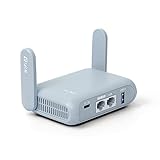
- 【DUAL BAND AX TRAVEL ROUTER】Products with US, UK, EU Plug; Dual band network with wireless speed 574Mbps (2.4G)+2402Mbps (5G); 2.5G Multi-gigabit WAN port and a 1G gigabit LAN port; USB 3.0 port; Wi-Fi 6 offers more than double the total Wi-Fi speed with the MT3000 VPN Router.
- 【VPN CLIENT & SERVER】OpenVPN and WireGuard are pre-installed, compatible with 30+ VPN service providers (active subscription required). Simply log in to your existing VPN account with our portable wifi device, and Beryl AX automatically encrypts all network traffic within the connected network. Max. VPN speed of 150 Mbps (OpenVPN); 300 Mbps (WireGuard). *Speed tests are conducted on a local network. Real-world speeds may differ depending on your network configuration.*
- 【OpenWrt 21.02 FIRMWARE】The Beryl AX is a portable wifi box and mini router that runs on OpenWrt 21.02 firmware. It supports more than 5,000 ready-made plug-ins for customization. Simply browse, install, and manage packages with our no-code interface within Beryl AX's Admin Panel.
- 【PROTECT YOUR NETWORK SECURITY】Our pocket wifi, unlike other vulnerable portable wifi hotspot for travel purposes supports WPA3 protocol–Preventive measures against password brute-force attacks; DNS over HTTPS & DNS over TLS–Protecting domain name system traffic and preventing data eavesdropping from malicious parties; IPv6–Built-in authentication for privacy protection, eliminating the need for network address translation.
- 【VPN CASCADING AT EASE】Surpassing the mediocre performance of most VPN routers for home usage, the Beryl AX is capable of hosting a VPN server and VPN client at the same time within the same device, enabling users to remote access local network resources like Wi-Fi printers or local web servers, and accessing the public internet as a VPN client simultaneously.
Which Chrome control matches the interruption?
These controls work at different levels. A notification permission applies to alerts from a site; intrusive-ad filtering removes ads that meet Chrome’s criteria; pop-up settings govern pop-up windows and redirects; autoplay behavior concerns media playback. A change to one setting does not necessarily affect the others.
| Interruption | What Chrome does | What you can change | Scope and trade-off |
|---|---|---|---|
| Website notifications | Requests permission before a site can send notifications; may automatically revoke permission from qualifying high-volume, low-engagement sites. | Allow or block individual sites, use quieter prompts, or review permissions in Safety Check. | Changes notification permission, not access to the website. Blocking alerts can also silence useful updates. |
| Intrusive ads | Removes ads on sites with poor ad experiences, such as excessive ads, flashing graphics, autoplaying audio, or ad walls before content. | Allow ads for an individual trusted site or adjust the intrusive-ads setting. | Targets ads on the page, not necessarily the whole site; legitimate ads may be affected. |
| Pop-ups and redirects | Blocks pop-ups that appear automatically by default. | Change the default or set site-specific exceptions. | Applies to pop-up windows and redirects; a legitimate site feature that opens a window may be affected. |
| Autoplaying media | Chrome has autoplay behavior intended to reduce unwanted sound. | The cited 2018 post describes personalized desktop behavior; it does not establish a current blocking rate. | Concerns media playback, not notifications or general site access. |
Stop unwanted website notifications
On desktop
- Open Chrome and go to Settings > Privacy and security > Site Settings > Notifications.
- Review sites that are allowed to send notifications and block any you do not want.
- To make permission requests less disruptive, choose Use quieter messaging. Requests then appear as a bell icon rather than an interrupting prompt.
- If Chrome removed a permission automatically, check Safety Check or revisit the site to grant permission again.
You can also change a site’s notification permission from its site information controls. The exact wording or placement may vary as Chrome’s interface changes.
Rank #2

- 【Rapid OpenVPN & Wireguard speed】Wireguard VPN and OpenVPN speeds both up to 680Mbps, giving you complete control over your gaming, streaming and working bandwidth. Actual speed may differ depending on internet service provider, network environment, VPN server location, VPN service provider, etc.
- 【AdGuard Home Supported】Enabling the use of a DNS server for blocking unwanted tracking and offers a convenient web interface for filtering selected digital advertisements. Users can take full control of their online experience and enjoy a clutter-free browsing environment with ease.
- 【Mass device connectivity】Experience enhanced online connectivity with our higher storage capacity, catering to over a hundred devices and fulfilling the requirements of DIY users seeking to install additional plugins. Enjoy stable and reliable connections, ensuring seamless performance and accommodating a wide range of digital needs.
- 【Easy Setup】Follow the Initial Set-up video tutorial on Amazon or Connect BE9300 to your computer via Ethernet cable to access the web Admin Panel, easy connect to wireless internet.
- 【MLO Technology】Flint 3 represents the future of wireless technology, delivering ultra-fast speeds, significantly reduced latency, and improved connectivity in high-density environments through cutting-edge innovations like Multi-Link Operation (MLO), enhanced OFDMA, 4K QAM, and preamble puncturing.
On Android
Google’s August 11, 2026 guidance gives this route for notification controls: open Chrome, tap More > Settings > Notifications. Android’s controls and desktop Site Settings are separate paths.
Block pop-ups and redirects
- In desktop Chrome, open Settings > Privacy and security > Site Settings > Pop-ups and redirects.
- Keep the default blocking behavior or add a site-specific exception if a trusted site needs pop-up windows.
- If unwanted messages continue even with pop-ups blocked, review notification permissions too. A website notification is different from a pop-up window.
Google notes that not every pop-up is an ad or spam; some legitimate sites use pop-up windows. Its help page also identifies malware as another possible cause of persistent pop-ups.
What’s actually slowing this PC down?
Pick the symptom - the matching free tool is one click away.
Rank #3

- Please update the firmware upon initial setup of the router, as it greatly enhances the device's performance and ensures a superior user experience.*** 【WiFi 6 Standard with ultra-low latency】Wi-Fi 6 speeds up to 6 Gbps to let you enjoy smoother 4K streaming, gaming, video calls and more, DDR4 1GB / eMMC 8GB
- 【High Speed Gaming Router】Dominate with uninterrupted performance with the ultimate MT6000 gaming internet router, equipped with 8-stream Wi-Fi 6 technology, the Flint 2 delivers blazing speeds, ensuring a stable and high-speed connection during intense multiplayer battles.
- 【Rapid OpenVPN & Wireguard speed】Wireguard VPN and OpenVPN speeds up to 900Mbps and 880Mbps respectively, giving you complete control over your gaming, streaming and working bandwidth. Actual speed may differ depending on internet service provider, network environment, VPN server location, VPN service provider, etc.
- 【AdGuard Home Supported】Enabling the use of a DNS server for blocking unwanted tracking and offers a convenient web interface for filtering selected digital advertisements. Users can take full control of their online experience and enjoy a clutter-free browsing environment with ease.
- 【Mass device connectivity】Experience enhanced online connectivity with our higher storage capacity, catering to over a hundred devices and fulfilling the requirements of DIY users seeking to install additional plugins. Enjoy stable and reliable connections, ensuring seamless performance and accommodating a wide range of digital needs.
What Chrome’s intrusive-ad filter removes
Chrome may show an “Intrusive ads blocked” message and remove intrusive ads from a page. Google describes poor ad experiences as including too many ads, flashing graphics, autoplaying audio, and ad walls that appear before content. The policy follows the Better Ads Standards, and the intervention is aimed at ads rather than automatically blocking the entire website.
On desktop, the setting is Settings > Privacy and security > Site settings > Additional content settings > Intrusive ads. You can allow ads for an individual trusted site through its site settings.
Rank #4

- 【Up to 1100 Mbps VPN Speed 】 Hardware-accelerated WireGuard and OpenVPN-DCO deliver up to 1100 Mbps VPN throughput, over 3× faster than Brume 2 for smooth remote access and file transfers.
- 【Three 2.5G Ports & Multi-WAN】Tri-port 2.5GbE design with flexible WAN LAN configuration supports multi-gigabit wired setups, dual-ISP Multi-WAN and failover to keep home and SOHO networks online.
- 【Stealth VPN Obfuscation】VPN obfuscation disguises VPN traffic as regular HTTPS, helping you evade blocking, bypass restrictive networks and maintain stable, private connections.
- 【DPI protection】Deep Packet Inspection with visual dashboards blocks adult/gambling/malicious sites, while SQM and QoS prioritize gaming, calls, and video when bandwidth is tight
- 【OpenWrt & USB 3.0 Expansion】OpenWrt with 1GB DDR4 and 8GB eMMC lets you install plugins and build VPN, ad-blocking or NAS, while USB 3.0 Type‑C connects high-speed storage or 4G/5G dongles
What Chrome’s autoplay behavior means
Google’s May 3, 2018 post described Chrome desktop personalizing autoplay behavior based on a user’s browsing preferences. At launch, Google said that when Chrome had no browsing history, it allowed autoplay on more than 1,000 sites where the highest percentage of visitors played media with sound. Google reported that the policy blocked about half of unwanted autoplays at that time. Those are launch-era figures, not a current rate or a guarantee that Chrome blocks all autoplay today.
Why the controls are separate
A site can be blocked from sending notifications while its ads, pop-ups, and media remain subject to their own settings. Likewise, blocking pop-ups does not necessarily stop alerts delivered through a notification permission. If interruptions continue, identify what is appearing—an operating-system-style notification, a new browser window, an on-page ad, or media with sound—and change the matching control rather than assuming Chrome has disabled the whole site.
Best Value
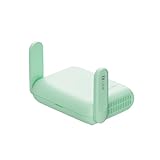
- 【DUAL BAND WIFI 7 TRAVEL ROUTER】Products with US, UK, EU, AU Plug; Dual band network with wireless speed 688Mbps (2.4G)+2882Mbps (5G); Dual 2.5G Ethernet Ports (1x WAN and 1x LAN Port); USB 3.0 port. Enjoy gaming and streaming across up to 120 devices.
- 【HIGH SPEED VPN CLIENT & SERVER】Max. VPN speed of 1100 Mbps (WireGuard); 1000 Mbps (OpenVPN-DCO). OpenVPN and WireGuard are pre-installed, compatible with 30+ VPN service providers (active subscription required). Simply log in to your existing account with our portable wifi device, and Beryl 7 automatically encrypts all network traffic within the connected network. *Speed tests are conducted on a local network. Real-world speeds may differ depending on your network configuration.*
- 【OpenWrt 21.02 FIRMWARE】The Beryl 7 (GL-MT3600BE) is a high-performance Wi-Fi 7 travel router, built with OpenWrt 21.02 (Kernel 5.4.281) for maximum customization and advanced networking capabilities. With 512MB storage, total customization with open-source freedom and flexible installation of OpenWrt plugins.
- 【PERFECT PORTABLE WIFI ROUTER FOR TRAVEL】The Beryl 7 is an ideal international wireless portable wifi travel router. With its mini size and travel-friendly features, the pocket Wi-Fi router is the perfect companion for travelers in need of a secure internet connectivity on the go. portable wi-fi for traveling, hotels or cruise ships.
- 【PROTECT YOUR NETWORK SECURITY】Our pocket wifi, unlike other vulnerable portable wifi hotspot devices for travel purposes supports WPA3 protocol–Preventive measures against password brute-force attacks; DNS over HTTPS & DNS over TLS–Protecting domain name system traffic and preventing data eavesdropping from malicious parties; IPv6–Built-in authentication for privacy protection, eliminating the need for network address translation.
Google’s August 11, 2026 explanation describes notification protection as a defense-in-depth system and reports that its defenses reduced over 7 billion notifications a day on Android in Q1. That is Google’s reported Android result for Q1, not an independently verified industry-wide count; the cited post frames the protections as multiple layers rather than a single site shutdown.
Quick Recap
Product prices and availability are accurate as of the date/time indicated and are subject to change. Any price and availability information displayed on Amazon at the time of purchase will apply.

