
Windows Errors? Fix Them Before They Spread
Repair common Windows errors and clear accumulated junk for a smoother, more stable PC - no reinstall needed.Free scan · no reinstallOutdated Drivers Are Slowing You Down
One free scan finds every outdated or missing driver and matches the right update for your exact hardware.Free scan · exact hardware matchiTechGuides is reader-supported. When you buy through links on our site, we may earn an affiliate commission. As an Amazon Associate I earn from qualifying purchases. Learn more
YouTube: The AP guide to Google’s video-sharing service is a practical explanation of Google’s global video platform, where people watch, search, upload, livestream, subscribe, comment, and earn money. YouTube is more than a video-sharing website: it combines user publishing, visual search, recommendations, advertising, subscriptions, commerce, and creator tools.
YouTube serves viewers, creators, businesses, schools, governments, musicians, news organizations, and professional media companies. The service remains free to use for much of its catalog, while YouTube earns revenue from advertising, Premium subscriptions, commerce, and other partnerships.
Editorial note: The supplied search result presents the topic as an AP guide, but the existence, date, and exact wording of an original Associated Press article could not be independently confirmed from an AP archive. This article therefore explains YouTube directly rather than treating that third-party attribution as verified.
Key takeaways: YouTube: The AP guide to Google’s video-sharing service
- YouTube is Google’s video platform for watching, searching, uploading, sharing, livestreaming, commenting, subscribing, and organizing videos through channels and playlists.
- YouTube combines a free, ad-supported service with visual search, personalized recommendations, subscriptions, creator monetization, shopping, and live interaction.
- Creators can earn through Watch Page ads, Shorts, YouTube Premium viewing, memberships, fan-funding features, shopping, sponsorships, and businesses outside YouTube.
- The current higher YouTube Partner Program threshold is 1,000 subscribers plus either 4,000 valid public watch hours in 12 months or 10 million valid public Shorts views in 90 days.
- A Content ID claim is different from a copyright strike, and a video can remain online while receiving limited or no advertising.
- YouTube is useful for learning, entertainment, publishing, and discovery, but popularity, recommendations, titles, and view counts do not prove that a video is accurate.
What is YouTube?
YouTube is Google’s global video-hosting and publishing platform. Users can watch videos, search for topics, upload their own work, create channels, subscribe to publishers, comment, join live chats, build playlists, share links, and embed videos on other websites.
#1 Best Overall

- [Natural Audio Clarity] Operated with frequency response of 50Hz-16KHz, the podcasting XLR mic delivers balanced audio range, likely to resonate with your audience. Directional cardioid dynamic microphone corded will not exaggerate your voice, while rejects unwanted off-axis noise for vocal originality and intelligibility during your PS5 gaming streaming video recording. (Tips: Keep the top of end-addressing XLR dynamic microphone AM8 facing audio source, and suggested recording range is 2 to 6 in.)
- [XLR Connection Upgrade-Ability] To use XLR connection, connect the podcast microphone to an audio interface (or mixer) using a separate XLR cable (NOT Included) . Well-connected and smooth operation improves audio flexibility to make you explore various types of music recording singing. The streaming mic isolates the pristine and accurate sound from ambient noise with greater no interference and fidelity. (RGB and function key on mic are INACTIVE when using XLR connection.)
- [USB Connection with Handy Mute] Skip the hassle of setting something up and plug the cable to play the dynamic USB microphone directly, which suits for beginner creators or daily podcast. You can quickly control the gamer mic with tap-to-mute that is independent of computer/Macbook programs to keep privacy when live streaming. LED mute reminder helps you get rid of forgetting to cancel the mute. (RGB and function key are only available for USB connection, but NOT for XLR connection)
- [Soothing Controllable RGB] RGB ring on the desktop gaming microphone for PC, with 3 modes and more than 10 light colors collection, matches your PC gears accessories for gaming synergy even in dim room. You can control the RGB key button of the dynamic microphone USB directly for game color scheme gaming or live streaming. Configured memory function, the streaming microphone RGB no need to repeated selections after turnning off and brings itself alive when power on. (Only available for USB connection)
- [More Function Keys] Computer microphone with headphones jack upgrades your rhythm game experience and gets feedback whether the real-time voice your audience hear as expected. Get the desired level via monitoring volume control when gaming recording. Smooth mic gain knob on the PC microphone gaming has some resistance to the point, easily for audio attenuation or boost presence to less post-production audio. (Only available for USB connection)
YouTube’s catalog includes casual home videos, music, news, tutorials, lectures, product demonstrations, gaming streams, podcasts, interviews, documentaries, independent films, comedy, Shorts, and live events. Businesses, schools, governments, nonprofits, artists, and media companies also use YouTube as a distribution channel.
The description “video-sharing website” remains technically accurate, but it is incomplete. YouTube also functions as a visual search engine, a recommendation system, an advertising marketplace, a subscription service, a livestreaming platform, and a creator-economy infrastructure. YouTube’s official About page provides the company’s own broad description of the service, while the YouTube Help center documents current viewer and creator features.
How did YouTube become Google’s video platform?
YouTube was founded in 2005 and acquired by Google in 2006. YouTube remains a distinct consumer brand, although it is closely connected with Google accounts, Google advertising, Android, Google TV, and Google’s wider technical infrastructure.
The commonly reported acquisition price was $1.65 billion, but the supplied source for that historical detail is a third-party explainer rather than a verified Google or Associated Press archive. The acquisition date and price should therefore be treated as attributed historical background, not as a claim independently confirmed by an official source in this guide. YouTube’s relationship with Google is discussed in the third-party explainer associated with the AP-guide framing.
For ordinary users, the practical result is an integrated service: a Google account can be used to manage YouTube viewing history, subscriptions, uploads, purchases, and creator activity. Integration does not mean Google owns every video uploaded by users. Copyright ownership generally remains with the creator or other rights holder, subject to the platform’s terms and any licenses that apply.
What can people do on YouTube?
YouTube supports several related activities rather than one single viewing mode:
| Activity | What it means in practice |
|---|---|
| Watch | Play videos on phones, computers, smart TVs, game consoles, and other supported devices. |
| Search | Find tutorials, music, news, reviews, lectures, interviews, explainers, and other topics using keywords. |
| Subscribe | Follow a channel so new uploads are easier to find; subscribing does not guarantee that every upload will appear prominently. |
| Interact | Like, comment, share, save, join live chats, and use eligible fan-funding features. |
| Organize | Save videos to playlists for private use or public sharing. |
| Publish | Upload videos, create a channel, schedule releases, livestream, or launch a Premiere. |
| Embed | Place a YouTube video player on another website when embedding is available. |
Feature availability varies by country, account status, device, age, content rights, and product tier. A video, channel, livestream, or subscription feature available in one country may be unavailable or restricted in another.
The Tool Desk
Outbyte Driver Updater FREEScan for outdated or missing drivers - takes under a minuteDriver Scan →Outbyte PC Repair FREEClear out junk files and repair common Windows errorsFree Scan →How does YouTube work for viewers?
YouTube viewers typically begin with a search, the Home feed, a subscription list, a playlist, a shared link, or a live event. YouTube then presents a video, related options, and controls for playback, captions, quality, sharing, saving, commenting, and subscribing.
- A viewer searches for a subject or opens a personalized YouTube surface such as Home.
- YouTube displays search results, channel videos, subscriptions, recommendations, playlists, or live events.
- The viewer watches, pauses, changes quality, enables captions, shares, saves, comments, subscribes, or selects another video.
- Viewing and search activity can influence future recommendations and search personalization.
- The viewer can manage watch history, search history, subscriptions, and feedback such as “Not interested.”
YouTube does not use one publicly documented formula for every recommendation. Search, Home, and “Up next” serve different purposes, and ranking systems can change. YouTube describes recommendations as personalized predictions influenced by viewer activity and the context of the current video, not as a guaranteed recipe based only on views, likes, watch time, or comments. The platform’s explanation of how YouTube recommendations work is the best place to check its current account of these systems.
Recommendations and moderation are also different. A video may be permitted to remain online but receive less recommendation exposure, an age restriction, or limited advertising. A permitted video is not automatically a highly recommended video, and a highly viewed video is not automatically reliable.
What do channels, subscriptions, playlists, Premieres, and livestreams mean?
A channel is a creator’s or organization’s public home on YouTube. A channel can contain videos, Shorts, livestreams, playlists, information about the publisher, and community activity.
Quick wins for a faster PC:
Scan for outdated or missing drivers - takes under a minuteDriver Scan →Clear out junk files and repair common Windows errorsFree Scan →Subscribing tells YouTube that a viewer wants to follow a channel. Notifications are separate from subscriptions: viewers can choose whether and how often YouTube alerts them about uploads or live events. A subscription does not guarantee that every new upload will be placed at the top of Home or sent as a notification.
Rank #2

- [Convenient Setup] Plug and play recording USB microphone for PC, with 5.9-Foot USB cable included for computer PC laptop, is connected directly to USB-A port for recording music, computer singing or podcast. The office condenser microphone for computer is easy to use and install. (NOT compatible with Xbox and Phones)
- [Durable Metal Design] Solid sturdy metal construction design, the computer microphone for Zoom meetings with stable tripod stand is convenient when you are doing voice overs or livestreams on YouTube. Durable material extends the service life of the voice-over microphone.
- [Mic Volume Knob] Gaming condenser USB mic compatible for PS4 with additional volume knob itself has a louder or quieter adjustment and is more sensitive. Your voice would be heard well enough through the zoom microphone USB when gaming, skyping or voice recording. Also, you can adjust your volume to zero and protect your privacy.
- [Widely Use] USB-powered design, the condenser microphone for recording no need the 48v Phantom power supply, works well with Cortana, Discord, voice chat and voice recognition. The podcast microphone for Mac, with USB-B to USB-A/C cable, is compatible with desktop, laptop or PS4/PS5, which meets most of your daily recording needs.
- [Clear Output Voice] Cardioid condenser microphone for PC captures your voice properly, producing clear smooth and crisp sound. Great computer recording mic for gamers/streamers/youtubers focus on the main source and reduces background noise. The streaming microphone does the job well for broadcast ,OBS and teamspeak.
A playlist is an ordered collection of videos. A viewer can create a private playlist for personal organization, while a creator or institution can publish playlists as courses, collections, music programs, or viewing sequences.
A Premiere is a scheduled video release designed for a shared viewing event, often with a live chat. A livestream is real-time video that may include live chat, memberships, Super Chat, and Super Stickers when the channel and stream meet the relevant requirements.
What kinds of content are on YouTube?
YouTube’s breadth is one of its defining characteristics. Common categories include:
Free tools Windows power users keep installed
One-click scans. No signup required.
- Music videos, concerts, performances, music lessons, and official artist channels.
- News reports, analysis, press conferences, and live coverage.
- Tutorials, repair guides, recipes, software demonstrations, and how-to videos.
- Educational lectures, classroom material, language lessons, and explainers.
- Gaming videos, reviews, walkthroughs, esports coverage, and livestreams.
- Podcasts, interviews, panel discussions, and long-form conversations.
- Product reviews, demonstrations, comparisons, and buying advice.
- Vlogs, personal videos, comedy, commentary, documentaries, and independent films.
- YouTube Shorts, which are short-form, generally vertical videos designed for mobile-first discovery.
- Corporate, government, nonprofit, school, and institutional communications.
Availability, licensing, age restrictions, and local law affect what a viewer can access. YouTube is a global platform, but “global” does not mean that every video or product feature is available in every country.
How do creators upload a YouTube video?
Creators can prepare and publish videos through YouTube or YouTube Studio. Desktop and mobile controls differ and change over time, so creators should use the current official video-upload instructions rather than rely on an old tutorial showing a frozen interface.
- Create or sign in to a Google account and create or access a YouTube channel.
- Record a video or prepare an edited file, thumbnail, title, description, and any supporting materials.
- Upload the file through YouTube or YouTube Studio.
- Set the audience designation, visibility, and other publishing details.
- Review available copyright and policy checks.
- Publish immediately or schedule the release for a specified time.
- Monitor analytics, comments, restrictions, copyright notices, and revenue in YouTube Studio.
| Visibility setting | Who can generally watch it? | Search and channel listing |
|---|---|---|
| Public | Anyone, subject to restrictions or regional availability. | Generally discoverable through search, recommendations, and the channel. |
| Unlisted | People who have the link. | Generally absent from search and ordinary channel listings. |
| Private | The account owner and specifically selected viewers. | Not publicly discoverable. |
| Scheduled | Becomes public at the selected time, if configured for public release. | Discovery begins after the scheduled publication and subject to normal distribution. |
Unlisted is not the same as private. Anyone who receives an unlisted link may be able to share it with someone else, while a private video is restricted to the account owner and selected viewers.
How does YouTube make money?
YouTube makes money through several streams, and the mix varies by market, content type, viewer, device, and subscription status. Advertising is important, but it is not accurate to describe advertising as YouTube’s only or universally largest source without a current company disclosure.
| Revenue stream | How it works | Who may participate |
|---|---|---|
| Advertising | Ads can appear around or within eligible videos and on other YouTube surfaces. | YouTube, advertisers, and eligible monetizing creators or rights holders. |
| YouTube Premium | Subscribers pay for a paid viewing experience and related benefits. | YouTube and creators whose eligible content Premium members watch. |
| YouTube Music and YouTube TV | Paid media products available in selected markets and plan types. | YouTube and participating rights holders or providers. |
| Memberships and fan funding | Viewers pay for channel memberships, Super Chat, Super Stickers, or Super Thanks. | Eligible creators and YouTube. |
| Shopping and commerce | Creators and businesses present products or commerce experiences. | Eligible creators, merchants, and YouTube. |
| Licensing and partnerships | Content and distribution relationships support media and commercial activity. | Rights holders, partners, and YouTube under applicable agreements. |
YouTube’s official monetization overview explains the current categories and eligibility framework. Advertising can appear on a video from a channel that is not receiving a creator revenue share, so the presence of an ad does not prove that the uploader is earning from that ad.
How do YouTube creators make money?
Eligible creators can earn from several YouTube features, but YouTube does not guarantee a particular income level. Earnings depend on eligible views, advertising demand, audience geography, content category, advertiser suitability, claims, invalid-traffic adjustments, and the creator’s agreements with YouTube or outside partners.
| Income source | Important current detail |
|---|---|
| Watch Page ads | YouTube says the creator share is 55% of net revenue under the Watch Page Monetization Module. |
| Memberships, Super Chat, Super Stickers, and Super Thanks | YouTube says the creator share is 70% of net revenue under the Commerce Product Module. |
| Shorts Feed ads | YouTube says creators receive 45% of the revenue allocated to them from the Shorts Creator Pool. |
| YouTube Premium | Creators can receive a share based on how much Premium members watch eligible content. |
| Shopping | Eligible creators can use YouTube shopping and commerce tools, subject to current requirements. |
| Outside business | Sponsorships, merchandise, affiliate links, courses, services, and other businesses are arranged separately from YouTube’s direct revenue modules. |
The percentages are not a universal split of every dollar associated with YouTube. The official explanation of YouTube revenue shares applies the 55%, 70%, and 45% figures to specific modules and revenue definitions. A creator should not summarize the system by saying that YouTube always keeps 45% or that creators always receive 55%.
For Shorts, YouTube pools certain Shorts Feed advertising revenue and allocates it through the Shorts Creator Pool system. Non-original reuploads, artificial views, and views that fail advertiser-friendly requirements can be excluded. The Shorts monetization policy also explains how claimed content and longer Shorts containing claimed content can affect eligibility.
What’s actually slowing this PC down?
Pick the symptom - the matching free tool is one click away.
What are the current YouTube Partner Program requirements?
The YouTube Partner Program, or YPP, has an earlier-access tier for selected fan-funding and shopping features and a higher threshold for advertising revenue and broader monetization access. Requirements apply in eligible regions and remain subject to channel review.
Rank #3

- Studio-Quality Sound for Clear Podcast Recording – The K66 USB podcast microphone delivers studio-quality, broadcast-level audio using a high-performance condenser capsule and cardioid pickup pattern that focuses on your voice while reducing unwanted background noise. Designed as a reliable microphone for PC, it features a wide 40Hz–18kHz frequency response and a 46kHz sampling rate to reproduce rich lows, smooth mids, and clear highs for natural, detailed vocals. With –45dB ±3dB sensitivity, it captures balanced sound without distortion during expressive speaking. Ideal for podcasting, voice-over, online classes, meetings, and professional content creation.
- Intelligent Noise Reduction Mode for Cleaner Podcast Audio – This podcast microphone features an advanced Noise Reduction Mode designed for clearer, more focused voice recording in real-world environments. Press and hold the mute button to enable noise reduction (blue indicator). In this mode, the microphone helps reduce keyboard clicks, PC fan noise, air conditioner hum, and background chatter. Default Mode maintains a warm, natural vocal tone for quiet spaces. Designed as a reliable microphone for PC, it allows creators to identify the active mode instantly and adapt as needed, ensuring clear audio for podcasting, gaming, streaming, online classes, meetings, and recording.
- True Plug-and-Play USB Microphone with Wide Device Compatibility – Engineered for effortless plug-and-play use, the K66 USB microphone requires no drivers, apps, or software installation. Simply connect and start recording on Windows PC, Mac, laptops, PS4, PS5, and tablets. Included USB-C and Lightning adapters ensure seamless compatibility with iPhone, iPad, and modern USB-C phones and devices, making it easy to switch between desktop and mobile recording. Ideal for creators working across multiple platforms, this microphone delivers consistent, high-quality audio for YouTube, TikTok, Twitch, Zoom, Discord, OBS Studio, Streamlabs, podcasting, livestreaming, and professional voice recording.
- Real-Time Zero-Latency Monitoring with Adjustable Volume Control – This podcast microphone features real-time, zero-latency monitoring through a built-in 3.5mm headphone jack, allowing you to hear exactly what’s being recorded without delay. Designed as a reliable microphone for PC, it includes a dedicated monitoring volume control that lets you adjust headphone listening levels independently for accurate and comfortable audio monitoring. Real-time feedback helps identify distortion, background noise, or uneven volume before it affects your final recording, making this podcast microphone ideal for podcasting, streaming, online teaching, voice-over work, and professional content creation.
- Precision Audio Adjustment Knobs for Full Sound Control – This podcast microphone gives creators hands-on control with dedicated knobs for microphone volume, monitoring volume, and echo adjustment. Fine-tune mic gain to maintain clear, balanced vocal output, adjust headphone monitoring levels independently for comfortable listening, and add or reduce echo to enhance depth and presence. Designed as a reliable PC microphone, these intuitive physical controls allow fast, on-the-fly adjustments without software, helping identify distortion, background noise, or level inconsistencies instantly. Ideal for podcasting, streaming, ASMR, voice-overs, singing, and professional multi-platform recording.
| YPP route | Threshold listed by YouTube | What the threshold does not mean |
|---|---|---|
| Earlier access | 500 subscribers, three public uploads in the previous 90 days, and either 3,000 public long-form watch hours in the previous 365 days or 3 million public Shorts views in the previous 90 days. | It does not automatically provide every monetization feature or advertising revenue. |
| Higher threshold | 1,000 subscribers and either 4,000 valid public watch hours in the previous 12 months or 10 million valid public Shorts views in the previous 90 days. | Meeting the numbers does not guarantee acceptance; YouTube reviews the channel and policies still apply. |
According to YouTube’s current YPP eligibility documentation, applicants also need to follow monetization policies, live in an available region, have no active Community Guidelines strikes, enable two-step verification, have access to advanced features, and link or set up an AdSense for YouTube account. Acceptance is subject to review.
Shorts Feed watch time does not count toward the 4,000-hour long-form threshold. Private, unlisted, deleted, and certain livestream watch hours do not count as valid public watch hours. YouTube also says it may turn off monetization for a channel with no upload or Posts activity for six months or more.
The earlier-access requirements and feature limitations are documented on YouTube’s expanded YPP help page. Requirements can vary by region and can change, so creators should check the live official pages before planning a launch around a threshold.
What is YouTube Premium, and is it worth considering?
YouTube Premium is a paid subscription that generally provides ad-free viewing on supported YouTube content, background play on supported mobile devices, offline downloads, and YouTube Music Premium benefits in markets where the bundle is offered.
Premium pricing, plan types, taxes, billing-channel charges, and included benefits vary by country and date. The current price should be checked on the official YouTube Premium page immediately before purchase; this guide does not state a fixed U.S. price because the supplied research did not verify one at publication time.
YouTube Premium may suit frequent viewers who value fewer interruptions, mobile background play, or offline viewing. Premium may be a poor fit for an infrequent viewer, someone who mainly watches a small number of ad-free or externally embedded videos, or someone whose primary need is music rather than general YouTube viewing.
Creators can receive a share of Premium subscription revenue when Premium members watch eligible content. YouTube says distribution is based on how much members watch eligible content, as explained in the YouTube Premium creator-revenue documentation. Premium does not guarantee a fixed payment to a particular channel.
Recommended Free Tools
What is YouTube Shorts?
YouTube Shorts is YouTube’s short-form video product, generally designed for vertical, mobile-first viewing. Shorts gives creators another discovery format alongside conventional videos, livestreams, and Premieres.
Shorts advertising is not calculated like an advertisement attached directly to one long-form video. YouTube pools certain Shorts Feed advertising revenue and allocates it based on eligible engaged views and the applicable Shorts monetization system. Artificial views, non-original reuploads, and views that do not meet advertiser-friendly requirements can be excluded.
Creators should not assume that a viral Short automatically qualifies for payment. Eligibility, original contribution, rights to included material, advertiser suitability, and the channel’s YPP status all matter. The official Shorts revenue-sharing policy contains the current details.
How do copyright, Content ID, and fair use work?
Uploading a video does not give the uploader ownership of music, film, television footage, photographs, or other copyrighted material included in the upload. A creator needs the necessary rights, a license, a valid legal exception, or another lawful basis for using material.
Do these 3 things before closing this tab:
1Repair Windows errors before they cause bigger problems2Fix the driver behind crashes, sound loss and screen glitches3Clear out junk files and repair common Windows errorsContent ID is YouTube’s automated matching system for eligible rights holders. Rights holders can submit reference files, and Content ID can identify matching material. Depending on the rights holder’s selected policy, a match may lead to the video being blocked, tracked, or monetized, with revenue potentially directed to the rights holder.
| Event | What it generally means | Typical consequence |
|---|---|---|
| Content ID claim | An automated or rights-management match involving copyrighted material. | Revenue, visibility, or availability may be affected; a claim is not automatically a strike. |
| Copyright takedown | A rights holder requests removal under the copyright process. | The video may be removed and the channel may receive a copyright strike. |
| Copyright strike | A more serious channel enforcement consequence associated with a valid takedown. | Additional strikes can threaten channel standing and access to features. |
| Fair use | A fact-specific legal doctrine that may apply under U.S. law to some commentary, criticism, parody, reporting, teaching, or transformative uses. | Fair use is not an automatic YouTube exemption or a guaranteed defense against claims. |
A Content ID claim does not necessarily remove a video, and a copyright strike is not the same as a claim. Automated systems also do not make a final legal judgment about fair use. The YouTube copyright help resources, including its copyright basics and copyright-strike guidance, explain the platform process. Legal conclusions depend on the facts, jurisdiction, and applicable law.
Rank #4
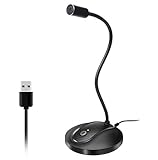
- 360 Degree Position Adjustable Gooseneck Design --Plug and play USB microphone Pick up the sound from 360-degree with high sensitivity, in the best possible location for sound to your PC gaming, dragon voice dictation, and talk to Cortana
- Mute Button & LED Indicator --One-click to mute/unmute your microphone for pc, Build-in LED indicator tells you the working status at any time
- Intelligent Noise-Canceling Tech --Premium omnidirectional condenser microphone with noise-canceling technology can pick up your clear voice and reduce background noise and echo
- USB Plug&Play(1.8/6ft USB Cable) -- No driver required. Just need to plug & play for the microphone to start recording, well compatible with Windows(7, 8, 10 and 11) and macOS. (NOT compatible with Xbox/Raspberry Pi/Android)
- Solid Construction--Adopting premium metal pipe and heavy-duty ABS stand to make sure that you will be satisfied with our computer mic quality
What is the difference between Community Guidelines and advertiser-friendly rules?
Community Guidelines determine whether content can remain on YouTube, while advertiser-friendly guidelines determine whether content is suitable for advertising and full monetization. These are separate decisions.
A video may remain online but receive limited or no advertising. A video may also face an age restriction, reduced recommendations, removal, or channel penalties. Topics involving violence, tragedy, war, politics, health, dangerous acts, harassment, sexual content, and controversial events can receive different treatment depending on context and the applicable policy.
YouTube’s Community Guidelines overview explains platform-safety rules, while the advertiser-friendly content guidelines address monetization suitability. A creator should not interpret demonetization as proof that a video violated a removal rule, or interpret continued availability as proof that a video is fully monetized.
How do recommendations and moderation shape what people see?
YouTube’s recommendation systems actively shape discovery rather than merely listing a neutral library. Search, Home, and recommended videos use different systems, and personalization means two viewers can see different results for the same query or different Home feeds.
Viewer history, search activity, subscriptions, feedback controls, and the context of a current video can influence the experience. A viewer can improve or reduce personalization by managing watch history, search history, subscriptions, and controls such as “Not interested.” The exact ranking systems are not fully public, and no single metric such as watch time, likes, or comments explains every result.
Moderation and ranking should be kept separate. A video can comply with Community Guidelines and remain online while being recommended less widely. Conversely, recommendation does not certify accuracy, expertise, or safety. The official YouTube recommendation help page provides current information about viewer controls and personalization.
How should viewers evaluate information on YouTube?
YouTube is often an excellent starting point for learning, but viewers should evaluate important claims instead of treating a video’s popularity as evidence.
- Check who uploaded the video and whether the channel identifies its expertise, affiliation, or relevant interests.
- Look for sources, documents, data, links, and dates rather than relying only on confident narration.
- Check whether the video is current. Laws, software interfaces, medical guidance, prices, elections, and product specifications can change.
- Compare consequential claims with primary sources such as government agencies, official documentation, courts, manufacturers, universities, or recognized institutions.
- Be cautious with edited clips, sensational thumbnails, headlines that claim more than the video demonstrates, and opinion presented as reporting.
- For medical, legal, financial, emergency, or election information, use YouTube as one input rather than the sole authority.
- Remember that view count, subscriber count, recommendation position, and popularity do not establish accuracy.
This advice applies equally to professional-looking channels and informal creators. Production quality can make a claim easier to watch without making the claim more reliable.
How is YouTube different from TikTok, Twitch, Vimeo, and streaming services?
YouTube’s distinctive position is the combination of open publishing, searchable long-form and short-form video, personalized discovery, livestreaming, subscriptions, advertising, and creator tools. Other services may be stronger for particular use cases.
| Service or category | Main strength | Key difference from YouTube |
|---|---|---|
| YouTube | Broad searchable video ecosystem. | Combines video hosting, search, recommendations, subscriptions, livestreaming, advertising, and creator monetization. |
| TikTok | Short-form discovery and trend-driven viewing. | More tightly centered on short vertical clips. |
| Social identity, messaging, and creator discovery. | Video is part of a broader social-network product. | |
| Twitch | Live community interaction, especially gaming. | More focused on livestreaming than searchable evergreen video. |
| Vimeo | Professional hosting and presentation. | More oriented toward controlled video hosting than mass consumer discovery. |
| Netflix and similar services | Licensed or commissioned premium entertainment. | Primarily curated subscription catalogs rather than open user publishing. |
No service is universally better. YouTube is a strong choice for reach, searchability, evergreen tutorials, broad audiences, and mixed formats. TikTok may be better for short-form trend discovery, Twitch for live community interaction, Vimeo for controlled professional presentation, and paid streaming services for curated premium programming.
Free tools Windows power users keep installed
One-click scans. No signup required.
Who benefits most from YouTube?
| User | Why YouTube can be useful | Main trade-off |
|---|---|---|
| Viewer or learner | Large range of free tutorials, explanations, performances, news, and entertainment. | Quality, accuracy, availability, and advertising vary. |
| Independent creator | Low-barrier global distribution, searchable archives, analytics, livestreaming, and multiple revenue tools. | Income and reach are unpredictable and policy-dependent. |
| Business or institution | Public demonstrations, training, announcements, customer education, and brand discovery. | Content must be maintained, rights-cleared, accurate, and appropriate for the audience. |
| Professional media company or artist | Distribution, audience engagement, live events, and official channels. | Licensing, claims, regional restrictions, and platform rules can affect availability and revenue. |
Creators should also avoid relying entirely on one platform. A channel can be valuable, but recommendations, policy decisions, copyright claims, and audience behavior remain outside the creator’s control. A website, email list, community, or additional distribution channel can reduce platform dependence where appropriate.
What tools do YouTube creators actually need?
A beginner does not need an expensive camera or professional editing suite to start. A capable smartphone, stable support, understandable audio, adequate light, and a reliable backup process can be enough for many formats.
Best Value

- Custom three-capsule array: This professional USB mic produces clear, powerful, broadcast-quality sound for YouTube videos, Twitch game streaming, podcasting, Zoom meetings, music recording and more
- Blue VO!CE software: Elevate your streamings and recordings with clear broadcast vocal sound and entertain your audience with enhanced effects, advanced modulation and HD audio samples
- Four pickup patterns: Flexible cardioid, omni, bidirectional, and stereo pickup patterns allow you to record in ways that would normally require multiple mics, for vocals, instruments and podcasts
- Onboard audio controls: Headphone volume, pattern selection, instant mute, and mic gain put you in charge of every level of the audio recording and streaming process
- Positionable design: Pivot the mic in relation to the sound source to optimize your sound quality thanks to the adjustable desktop stand and track your voice in real time with no-latency monitoring
- Recording: A smartphone or camera suited to the creator’s format.
- Audio: A USB or XLR microphone when built-in audio is not clear enough.
- Lighting: A window, basic key light, or simple lighting arrangement.
- Stability: A tripod or another stable mount.
- Monitoring: Headphones to catch noise and recording problems.
- Storage: External storage and backups for original footage and project files.
- Publishing: YouTube Studio for uploads, analytics, comments, copyright notices, monetization, and channel management.
Editing options range from free tools to subscription products. Creators may compare DaVinci Resolve, Adobe Premiere Pro, and Final Cut Pro, but current prices and plan structures should be checked on the vendors’ live pages. A premium editor is not a guarantee of more views.
Thumbnail and channel-art tools such as Canva’s YouTube thumbnail maker and Adobe Express can help with visual packaging. They are optional, and a creator with an established design workflow may not need them.
Recommended Free Tools
What are YouTube’s biggest benefits and risks?
| Perspective | Benefits | Risks and trade-offs |
|---|---|---|
| Viewers | Free content, strong practical search, direct access to creators and institutions, live video, cross-device viewing, and an optional paid experience. | Variable quality, advertising, sponsorships, repetitive recommendations, misinformation, copyright removals, and regional restrictions. |
| Creators | Global distribution, searchable evergreen content, analytics, livestreaming, audience tools, and multiple monetization methods. | Unpredictable income, copyright claims, advertiser suitability limits, changing policies, and dependence on recommendation systems. |
| Businesses | Product education, demonstrations, customer support, brand discovery, and a large distribution network. | Ongoing production demands, rights and accuracy obligations, and competition for attention. |
Common mistakes include uploading copyrighted music without permission, assuming fair use automatically prevents a claim, confusing unlisted with private, counting Shorts Feed watch time toward the long-form YPP threshold, reusing other people’s clips with minimal changes, buying fake engagement, and following outdated tutorials. Creators should also avoid unofficial view-buying or subscriber-growth services because artificial engagement can violate platform rules and damage a channel.
What is the practical bottom line for YouTube users?
YouTube is best understood as a media and commerce ecosystem built around video. For viewers, YouTube offers unusually broad search, entertainment, education, live events, and creator access, but viewers must judge quality and accuracy for themselves. For creators, YouTube offers distribution and several revenue paths, but no guaranteed audience or income.
The most useful habits are simple: use current official help pages for changing features and eligibility rules, keep copyrighted material properly cleared, separate platform enforcement from legal conclusions, treat recommendations as personalized discovery rather than proof, and verify high-stakes claims with primary sources.
Frequently Asked Questions
Is YouTube owned by Google?
Yes. Google acquired YouTube in 2006, and Google operates under Alphabet. YouTube remains a distinct consumer brand while integrating with Google accounts, advertising, Android, and Google TV.
The Tool Desk
Outbyte PC Repair FREERepair Windows errors before they cause bigger problemsFix Now →Outbyte Driver Updater FREEScan for outdated or missing drivers - takes under a minuteDriver Scan →Does subscribing to a YouTube channel guarantee that every upload will appear?
No. Subscribing makes a channel easier to follow, but Home and recommendation ranking plus notification settings affect which uploads a viewer sees and whether the viewer receives an alert.
Does a YouTube copyright claim mean a video has been removed?
No. A Content ID claim may redirect revenue, track a video, or block it, depending on the rights holder’s policy. A formal copyright takedown can remove a video and result in a copyright strike.
Can a YouTube creator earn money as soon as a channel reaches 1,000 subscribers?
No. The 1,000-subscriber threshold must be combined with either 4,000 valid public long-form watch hours in the previous 12 months or 10 million valid public Shorts views in the previous 90 days, along with other requirements and a YouTube review.
Is YouTube Premium available everywhere at the same price?
No. YouTube Premium availability, price, plan types, taxes, billing terms, and included benefits vary by country, billing platform, plan, and date. The current official Premium page should be checked before subscribing.
Outdated Drivers Are Slowing You Down
One free scan finds every outdated or missing driver and matches the right update for your exact hardware.Free scan · exact hardware matchPC Slower Than It Used to Be?
A free scan shows the junk files, broken settings and background clutter dragging Windows down - then fixes them in one click.Free scan · Windows 10 & 11The Bottom Line
Bottom line: YouTube is not merely a site for sharing videos. It is Google’s global combination of video hosting, visual search, recommendations, advertising, subscriptions, livestreaming, commerce, and creator publishing. That breadth makes YouTube powerful for both watching and building an audience, but accuracy, copyright, monetization, and platform-policy limits remain the user’s responsibility.
Quick Recap
Product prices and availability are accurate as of the date/time indicated and are subject to change. Any price and availability information displayed on Amazon at the time of purchase will apply.

