
Quick wins for a faster PC:
Fix the driver behind crashes, sound loss and screen glitchesFind Drivers →Clear out junk files and repair common Windows errorsFree Scan →A smart thermostat can report the temperature where it senses it, and a compatible remote sensor can add readings from other rooms. Neither reading, by itself, identifies why a bedroom is cold. Room-to-room differences can reflect insulation or sun exposure, while blocked airflow, duct problems, a dirty filter, or equipment issues may also need attention. A sensor can help the thermostat account for a cold room; it cannot fix the cause.
What a thermostat reading tells you—and what it does not
A thermostat’s displayed temperature describes its sensing location, not every room in the home. Its control behavior also depends on the thermostat’s settings and, if installed, how it uses remote sensors. So when the thermostat reaches its set point while one bedroom still feels cold, the display is not a room-by-room diagnosis.
ENERGY STAR notes that insulation and sun exposure can contribute to different room temperatures. That makes a temperature difference an observation to investigate, not proof of a particular defect. Without an inspection of the home, there is no basis for assigning one specific cause to a particular cold room.
What a compatible room sensor can do
A remote temperature sensor gives a compatible thermostat information about another room. ENERGY STAR says temperature sensors can monitor rooms with different temperatures and allow a thermostat to manage hot and cold spots in a single-zone home—one HVAC system controlling the whole house. The thermostat’s model and settings determine how it uses the added reading; check which rooms and schedules are included and whether it prioritizes a room or combines sensor readings. ENERGY STAR’s smart thermostat guidance explains the role of temperature sensors.
Do these 3 things before closing this tab:
1Fix the driver behind crashes, sound loss and screen glitches2Repair Windows errors before they cause bigger problems3Scan for outdated or missing drivers - takes under a minute#1 Best Overall
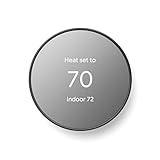
- ENERGY STAR certified smart thermostat for home that helps you save energy and stay comfortable.Connectivity : Wi-Fi - 802.11b/g/n 2.4 GHz, 802.11a/n 5 GHz Wi-Fi., Wireless interconnect : Bluetooth Low Energy Please refer to the product description section below for all applicable legal disclaimers.Product note: You can also check your system’s compatibility before purchasing a Nest thermostat with our online Nest Compatibility Checker on the Google Nest support page
- The Nest Thermostat is designed to work without a C wire in most homes, but for some systems, including heating only, cooling only, zone controlled, and heat pump systems, you’ll need a C wire or other compatible power accessory
- Nest Thermostat turns itself down when you leave, so you don’t waste energy heating or cooling an empty home. Lock feature: No
- Programmable thermostat that lets you create an energy efficient schedule in the Google Home app on your Android or iPhone
- Remote control lets family members change the thermostat temperature from anywhere on a phone, laptop, or tablet[1]
A sensor monitors and informs control. It does not add insulation, seal leaky ducts, clear an obstructed register, or repair heating equipment. Treat it as a way to help the thermostat account for the room, not as a remedy for a building or HVAC problem.
How to investigate a cold room
- Compare temperatures. Use a separate thermometer in the cold room and near the thermostat under similar conditions. Record the difference as an observation, not a diagnosis.
- Check air paths. Make sure supply registers and return-air paths are not blocked by furniture, rugs, curtains, or closed doors. Do not close many registers to try to force air elsewhere; that is not established here as a general fix.
- Inspect the air filter. ENERGY STAR recommends checking filters monthly during heavy-use months and replacing them at least every three months. Follow the filter and equipment instructions if they call for a different schedule. A dirty filter can slow airflow. See ENERGY STAR’s heating and cooling guidance.
- Consider room-specific heat gain or loss. Insulation and sun exposure are examples ENERGY STAR gives for why rooms may have different temperatures; they are possibilities to consider, not a diagnosis of your home.
- Get a professional assessment if the problem persists. An HVAC professional can evaluate duct sealing, insulation, airflow, and equipment operation. ENERGY STAR recommends professional evaluation when equipment is not keeping a home comfortable.
- Consider a room sensor for thermostat control. If your goal is for the thermostat to take another room’s temperature into account, first confirm that a sensor works with your exact thermostat and HVAC system. Its effect depends on the model and settings.
Choosing a sensor without guessing at compatibility
Search for a “smart thermostat room sensor,” but verify the exact thermostat and HVAC-system compatibility in official manufacturer documentation before buying. No particular brand or model can be confirmed as compatible without knowing your equipment.
Rank #2

- An Alexa thermostat - Amazon Smart Thermostat is an easy way to switch from a traditional thermostats for homes and help reduce energy usage.
- Create comfort zones throughout your home by connecting to select Alexa devices to automatically adjust heating and cooling based on temperature readings or presence detection.
- Save money and energy - After purchase, Amazon will send you an email with details about home thermostat rebates that may be available from energy providers in your area.
- Save energy - According to EPA estimates, ENERGY STAR certified thermostats save an average of $90 on yearly energy bills.
- Programmable thermostat and automatic control - Create your own home, away and sleep schedules, or have Alexa automatically control the temperature with Alexa+ advanced features.
- Compatibility: Confirm support for your exact thermostat model and system.
- What it senses: Check whether it measures temperature, occupancy, or both.
- How readings are used: Find out which rooms or schedules can be included and whether the thermostat prioritizes a room or combines readings.
- Placement and connection: Follow manufacturer requirements and limits for sensor placement and connection.
What efficiency figures do—and do not—promise
ENERGY STAR says sealing and insulating ducts can improve system efficiency by up to 20 percent or more; that is an efficiency figure, not a promise that a particular room will become comfortable. The agency also says homes with high heating and cooling bills, or that are unoccupied much of the day, may save approximately $100 a year using an ENERGY STAR certified smart thermostat. The current ENERGY STAR pages do not state the publication year for those figures, and the savings are not guaranteed for an individual home. See ENERGY STAR’s heating and cooling guidance for the claims and context.
Quick Recap
Rank #4

- EASY DIY INSTALLATION: Do it yourself fast with a built-in level and simple step-by-step instructions. Works with the HVAC equipment found in most homes
- COMMON WIRE REQUIREMENTS: Common wire(C-Wire) required for heat pump and heat/cool only systems. C-wire not required on most systems
- SAVE ABOUT 23% ON HVAC ENERGY: ENERGY STAR-certified and packed with features that help you save money, including flexible scheduling, geofencing, remote access and usage reports
- PRIVACY PROTECTION: Sensi won’t sell your personal information to third parties or leverage your thermostat activity data for targeting or advertising purposes
- CONTROL FROM ANYWHERE: The top-rated mobile app for Android and iOS devices makes it easy to control your comfort from a smartphone or tablet
Rank #3

- Save up to 23% every year on heating and cooling costs, adjusts to your set schedule to save energy when you’re gone and optimize comfort when you’re home. Compared to a hold of 72
- Compatible with 85% of systems, check your system’s compatibility with our online ecobee Compatibility Checker on the ecobee support page
- Change your temperature by easily tapping the color touchscreen or using the ecobee app. Plus, free software upgrades ensure you get the best out of your Smart Thermostat Essential, for years to come
- Automatically adjusts to your set schedule to save energy when you’re gone and optimize comfort when you’re home. Keep track of your energy consumption when you're on the go on the ecobee app
- Easy DIY install. No C Wire, no problem. Get the ecobee Power Extender Kit (PEK) for homes without a C-Wire and keep your walls looking nice with our trim kit – both sold separately
Product prices and availability are accurate as of the date/time indicated and are subject to change. Any price and availability information displayed on Amazon at the time of purchase will apply.

