
Free tools Windows power users keep installed
One-click scans. No signup required.
iTechGuides is reader-supported. When you buy through links on our site, we may earn an affiliate commission. As an Amazon Associate I earn from qualifying purchases. Learn more
A battery that appears to be steaming may be venting gas or vapor, overheating, or failing—not simply releasing harmless water vapor. The cause depends on the battery chemistry and what it was doing: a damaged or overheating lithium-ion battery can be entering thermal runaway, while a charging lead-acid battery can release explosive hydrogen and may spray corrosive electrolyte. Stop using or charging a battery that is unusually hot, swollen, hissing, leaking, or smoking, and keep away from it while you follow the relevant manufacturer or emergency guidance.
What does “steaming” from a battery mean?
“Steaming” describes what you see; it does not identify the substance or diagnose the fault. Vapor, visible gas, and smoke can be difficult to distinguish, and a battery’s chemistry and circumstances matter. Do not assume that a cloud coming from a hot battery is water vapor or safe to breathe.
For lithium-ion batteries, heat, gas, vapor, or smoke can be signs of thermal runaway—a chain reaction in which heat from a failing cell damages nearby cells. The Occupational Safety and Health Administration (OSHA) lists rising battery temperature, venting of gas, vapor, or smoke, and fire among its indicators. Damage, manufacturing defects, excessive temperatures, or improper charging can initiate failure. OSHA’s lithium-ion battery safety guidance describes the hazard and its warning signs.
The Tool Desk
Outbyte PC Repair FREEClear out junk files and repair common Windows errorsFree Scan →Outbyte Driver Updater FREEFix the driver behind crashes, sound loss and screen glitchesFind Drivers →A lead-acid battery being charged presents a different set of risks. It can release hydrogen, which is highly explosive, and contains corrosive sulfuric acid. Gas release, electrolyte spray or mist, and overheating are not the same thing as lithium-ion thermal runaway. OSHA’s powered industrial truck guidance explains the hydrogen and acid hazards.
#1 Best Overall

- High density negative paste, improves performance and increases battery life
- Enhanced life alloy or Silver Calcium stamped alloy increases cycle life and improves performance
- Calcium lead positive grid, maximizes conductivity and allows for low resistance
- Robust envelope separator with puncture resistant back, allows for increased acid circulation and prevents shorts. Improved acid circulation, helps the battery to remain cool, and extend battery life
- Vent cap design that resists acid leakage
How to recognize a possible battery emergency
Take these signs seriously, especially when several appear together or the battery is getting hotter:
- Unusual or increasing heat
- Swelling, bulging, or a change in shape
- Hissing, popping, or other unusual noises
- Leakage, visible gas, vapor, or smoke
- Odor or discoloration
- Fire
The U.S. Fire Administration (USFA) identifies rising temperature, mechanical damage, bulging, popping or hissing, and visible gas venting as lithium-ion battery warning signs. Thermal runaway can involve fire, and the risk may persist even if flames are not continuously visible. See USFA’s lithium-ion battery fire risks and response guidance.
Rank #2

- ✅Batter dimensions: 10.75" L x 6.81" W x 8.98" H, Terminal: Tapered terminal (Left negative (-), Right positive (+)). ✅Please ensure to verify the dimensions and terminal position before making a purchase to guarantee compatibility with your vehicle to avoid any fitment issues.
- With a 70AH capacity and 710 cold cranking amps (CCA). Provides reliable performance and long service life, Up to 2 times the cycle life of conventional batteries. If your car's original battery is an AGM type, you must continue using an AGM battery, as your car will not accept a "downgrade" to a flooded battery. Nominal Voltage:12V. Charging Voltage:14.4~15.0V. Acceptable Charging Current:0~21A. Operating Temperature Range: -22°F~158°F.
- Heat / Cold Resistance: The materials used in the construction of AGM batteries (such as glass fiber mats and specialized separators) have better heat resistance. This allows AGM batteries to maintain their performance and capacity even in the hottest climates, They are also more resistant to extreme temperatures, making them ideal for hot or cold regions.
- Low Self-Discharge: AGM batteries have lower self-discharge rates compared to flooded batteries. Self-discharge refers to the loss of capacity that batteries experience over time when not in use. In hot climates, when the battery may need to be stored for extended periods or not frequently used, AGM batteries can better maintain charge, providing higher voltage output and easier engine start-up in any climate.
- Enhanced Safety: AGM batteries have a lower risk of acid leaks and spills compared to flooded batteries. This is because the acid is absorbed and held within the glass fiber mats, reducing the risk of corrosion or damage to surrounding components,this makes AGM batteries more durable and long-lasting, is also two to three times longer than flooded batteries. AGM batteries also have a lower risk of explosion and are safer to handle, making them ideal for high-performance vehicles.
What to do if a battery is hot, venting, or smoking
- Stop using it. If a device or battery is unusually hot, swollen, hissing, leaking, or smoking, stop using it. USFA advises stopping lithium-ion battery use if it has excessive heat, shape changes, leakage, odor, discoloration, or unusual noises. Do not keep charging it.
- Do not handle or investigate it. Do not touch, open, move, charge, or troubleshoot a hot, venting, or smoking battery. Keep people away and follow emergency instructions for your location. If there is fire or an immediate threat, contact emergency services rather than attempting a repair.
- For a swollen lithium-ion battery without an immediate fire threat, seek handling instructions. Contact the product manufacturer, retailer, or your state or local waste-management program. Swelling indicates battery damage and a potential fire hazard; it does not make a battery suitable for ordinary disposal. The U.S. Environmental Protection Agency’s lithium-ion battery guidance says to contact those sources for proper handling direction when there is no imminent fire threat. If an imminent fire risk is suspected, the EPA says calling 911 may be necessary.
- On an aircraft, alert the crew immediately. Tell the flight crew if a lithium battery or device overheats, expands, smokes, or burns. Follow the crew’s instructions; see the Federal Aviation Administration’s passenger battery guidance.
There is no single disposal container or handling technique that is appropriate for every damaged battery. Use manufacturer, local waste-management, and emergency instructions for the specific situation.
Why a charging lead-acid battery needs different precautions
Charging unsealed lead-acid batteries can release hydrogen. If gas accumulates, it can form an explosive mixture; the battery also contains corrosive sulfuric acid. OSHA says unsealed batteries need outdoor ventilation or a well-ventilated room, with enough ventilation to prevent an explosive gas mixture. Its construction standard also requires functioning vent caps during charging to help prevent electrolyte spray and addresses protective equipment and facilities for acid exposure and spills. These are workplace safety requirements, not a do-it-yourself procedure for a battery that is actively overheating or venting.
Rank #3

- Fast Starting Power: This 12V 70Ah 760 CCA delivers strong, steady starts is ready for any weather in any season.
- Made to Last: With its 120-minute Reserve Capacity supports longer run times and a longer overall battery lifespan.
- All Power, No Mess AGM Design: Sealed and spill-proof, the MM-H6 is built with high discharge output and deep discharge recovery to keep power steady when it counts.
- Strength That Starts on the Inside: The rugged construction resists shock, vibration, and harsh conditions, delivering reliable performance across a wide range of temperatures and tough environments.
- Tested Tough & Certified Safe: Mighty Max batteries are built in an ISO-certified facility and meet CE standards for quality, safety, and reliability
For details, see OSHA’s battery and battery-charging standard. If a lead-acid battery appears to be overheating, spraying electrolyte, or producing unusual visible emissions, keep clear and follow the procedures applicable to the charging area. Do not treat it as a harmless cloud or apply lithium-ion advice as though the chemistries were interchangeable.
Why batteries may overheat or vent
Lithium-ion batteries
Damage, a manufacturing defect, excessive temperature, or improper charging can trigger a failure. In thermal runaway, a failing cell releases heat that can damage adjacent cells, allowing the event to escalate. Heat, bulging, hissing, gas, vapor, smoke, or fire are warning signs—not a basis for close inspection or continued use.
Rank #4
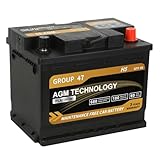
- ✅ Perfect Fit & Compatibility: BCI Group Size 47 (H5), 12V 60Ah, 680CCA, 100RC. Dimensions: 9.52" L x 6.89" W x 7.48" H. Terminal: Tapered terminal (Left negative (-), Right positive (+)). Ensure proper fit by comparing the size, terminal position, and CCA with your original battery. This ensures compatibility and avoids any fitment issues for your vehicle.
- ✅ Reliable Starting Power in All Conditions: Delivers 680 Cold Cranking Amps (CCA) for reliable engine starts, even in freezing weather. This automotive battery is built to perform consistently within a wide temperature range from -22°F to 158°F, withstanding short-term extremes from -40°F to 75°F, ensuring maximum performance no matter the weather.
- ✅ Advanced AGM Technology for High Performance: Specially designed for vehicles with start-stop technology and those requiring greater power, this AGM battery delivers up to 2X the cycle life of conventional batteries. With its high-density negative paste, it ensures improved conductivity, longer battery life, and faster recharge times. Maintenance-free design—no need to add liquid or water.
- ✅ Durable & Safe Design: This group 47 battery is 18X more vibration-resistant than standard batteries, ensuring a longer service life and reliable performance. Its leak-proof, non-spillable design offers enhanced safety, and the absence of free acid guarantees stable performance, preventing acid leakage and internal corrosion. Ideal for tough conditions.
- ✅ Not for Deep Cycle Applications: Please note that this is a starting battery and is not designed for deep-cycle applications such as solar or marine use. It is ideal for vehicles with higher electrical accessory loads or those that need a high CCA starting battery with enhanced cyclic performance. Verify that the battery type and specifications match your vehicle's requirements.
Lead-acid batteries
During charging, lead-acid batteries can give off explosive hydrogen, particularly toward the end of charging. Inadequate ventilation can let gas accumulate. Corrosive electrolyte is a separate hazard, and charging equipment and procedures must account for acid exposure and possible spray.
Quick wins for a faster PC:
Clear out junk files and repair common Windows errorsFree Scan →Scan for outdated or missing drivers - takes under a minuteDriver Scan →Frequently asked questions
Is the steam from a battery harmless water vapor?
Do not assume so. What looks like steam may be gas, vapor, or smoke associated with a battery hazard. Treat unusual emissions from a hot or damaged battery as a warning.
Best Value
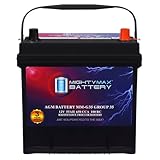
- Fast Starting Power: This 12V 55Ah 650 CCA delivers strong, steady starts is ready for any weather in any season.
- Made to Last: With its 100-minute Reserve Capacity supports longer run times and a longer overall battery lifespan.
- All Power, No Mess AGM Design: Sealed and spill-proof, the MM-G35 is built with high discharge output and deep discharge recovery to keep power steady when it counts.
- Strength That Starts on the Inside: The rugged construction resists shock, vibration, and harsh conditions, delivering reliable performance across a wide range of temperatures and tough environments.
- Tested Tough & Certified Safe: Mighty Max batteries are built in an ISO-certified facility and meet CE standards for quality, safety, and reliability
Can I keep charging a battery that is warm or swollen?
Stop using a battery that is unusually hot or swollen, and do not continue charging it. Follow the appropriate manufacturer, local waste-management, or emergency guidance.
Should I put a damaged battery in a particular container?
There is no universal container or disposal method established for every battery and situation. Ask the manufacturer, retailer, or local waste-management authority for handling direction; use emergency services if a fire threat seems imminent.
Quick Recap
Product prices and availability are accurate as of the date/time indicated and are subject to change. Any price and availability information displayed on Amazon at the time of purchase will apply.
Recommended Free Tools

