
Do these 3 things before closing this tab:
1Clear out junk files and repair common Windows errors2Fix the driver behind crashes, sound loss and screen glitches3Repair Windows errors before they cause bigger problemsiTechGuides is reader-supported. When you buy through links on our site, we may earn an affiliate commission. As an Amazon Associate I earn from qualifying purchases. Learn more
There is no single, agreed-upon “first successful computer”: the answer depends on what counts as success. The Z3 was an early working relay computer used for calculations; the Manchester Baby ran the first program on a digital, electronic, stored-program computer; the Ferranti Mark I was probably the first commercially available general-purpose computer; and LEO performed useful work before any other commercial computer system. These are separate milestones, not competing names for one title.
What does “successful” mean for an early computer?
For early machines, success can mean that a computer worked and completed calculations, used electronic rather than electromechanical components, stored its program in memory, became commercially available, or performed useful work in a business. Those criteria identify different machines. The Computer History Museum’s Timeline of Computer History distinguishes these milestones rather than naming one machine as the first successful computer in every sense.
Which computer was first by each milestone?
| Milestone | Machine | What the historical account supports |
|---|---|---|
| Early working relay computer used for calculations | Z3 | Used relays and floating-point binary arithmetic for aerodynamic calculations; destroyed in a bombing raid in 1943. |
| Early special-purpose electronic computer | Atanasoff-Berry Computer (ABC) | Designed and built from 1939 to 1942; the timeline also discusses its later role in a computer-invention patent dispute. |
| Large electromechanical calculating machine | Harvard Mark I | A room-sized, relay-based calculator that produced mathematical tables. |
| Electronic computer publicly unveiled | ENIAC | Publicly unveiled in 1946; programmed with panel-to-panel wiring and switches. |
| First program run on a digital, electronic, stored-program computer | Manchester Baby | A 17-instruction program ran on June 21, 1948. |
| Probably the first commercially available general-purpose computer | Ferranti Mark I | The museum describes it as probably the first; its first sale to Manchester University was in 1951. |
| Useful work by a commercial computer system | LEO | The museum says it performed useful work before any other commercial computer system in the world. |
Why the Z3, ENIAC, and Manchester Baby are not interchangeable “firsts”
Z3: a working relay computer
The Z3 is a strong candidate when the question is about an early working computer used for real calculations. It was relay-based, rather than electronic, and applied floating-point binary arithmetic to aerodynamic calculations. That makes it misleading to call it simply “the first computer” without stating the criterion.
Free tools Windows power users keep installed
One-click scans. No signup required.
ENIAC: electronic, but programmed through wiring and switches
ENIAC’s distinction is that it was an electronic computer and was publicly unveiled in 1946. Its programming method relied on panel wiring and switches. It therefore represents a different milestone from a machine whose program was stored in memory.
#1 Best Overall

- 【Classic Design】: Features a miniature retro desktop computer model with an off and silver gray finish, capturing the nostalgic charm of early personal computers.
- 【Realistic Details】: This dollhouse accessory includes vintage display-style display screen shape with a gray screen area, a small row of round control buttons below the display, and a thin slot detail on the front.
- 【Complete Set】: Includes a matching separate keyboard to complete the desktop model setup, allowing for flexible and realistic placement within any miniature scene.
- 【Versatile Decoration】: Designed as a small decorative prop, this miniature computer is for adding character to miniature workspaces, study rooms, and creative displays.
- 【Collector Attraction】: A highly detailed vintage computer model that serves as an ideal piece for collectors, diorama builders, and photo composition setups.
Manchester Baby: stored-program operation
The Manchester Baby marks the stored-program milestone: on June 21, 1948, a 17-instruction program ran on a digital, electronic computer with a stored program. That is the specific “first” supported by the museum timeline, not a claim that it was the first working computer of any kind.
What changed when computers became commercial?
Ferranti Mark I: commercial availability
The Ferranti Mark I is described by the Computer History Museum as probably the first commercially available general-purpose computer. Its first sale, to Manchester University, was in 1951. The qualification matters: this is a claim about commercial availability and general-purpose use, not the first working or electronic machine.
Rank #2
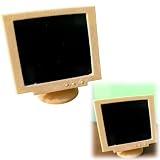
- Retro Desk Display: Placed on desks or shelves as a visual accent inspired by early computer monitor designs for themed workspace styling
- Diorama Scene Element: Used in miniature environments to represent classic office or tech setups, enhancing scene storytelling detail
- Creative Workspace Decor: Adds a nostalgic visual layer to office or study areas, contributing to a themed desktop arrangement
- Model Collection Piece: Suitable for display in miniature collections or themed tech-inspired setups for visual variety and depth
- Scene Building Detail: Helps complete retro office or computer room diorama builds by adding recognizable vintage computing element
LEO: useful commercial work
LEO is associated with a separate measure of success: the museum says it performed useful work before any other commercial computer system. That describes practical commercial operation, not necessarily the first sale of a general-purpose computer.
So, which machine was the first successful computer?
Use the criterion that matches the question. For an early working relay computer used for calculations, point to the Z3. For the first program on a digital, electronic, stored-program computer, the answer is the Manchester Baby. For a computer probably first to be commercially available as a general-purpose machine, it is the Ferranti Mark I; for useful work by a commercial computer system, it is LEO. Calling any one of them simply “the first successful computer” erases meaningful differences in technology and use.
Quick Recap
Best Value

- 【Classic Design】: Features a miniature retro desktop computer model with an off and silver gray finish, capturing the nostalgic charm of early personal computers.
- 【Realistic Details】: This dollhouse accessory includes vintage display-style display screen shape with a gray screen area, a small row of round control buttons below the display, and a thin slot detail on the front.
- 【Complete Set】: Includes a matching separate keyboard to complete the desktop model setup, allowing for flexible and realistic placement within any miniature scene.
- 【Versatile Decoration】: Designed as a small decorative prop, this miniature computer is for adding character to miniature workspaces, study rooms, and creative displays.
- 【Collector Attraction】: A highly detailed vintage computer model that serves as an ideal piece for collectors, diorama builders, and photo composition setups.
Rank #4

- 【Retro Computer Building Blocks Kit】Relive the charm of 1980s computing with this detailed retro computer building set. More than a replica, it's a nostalgic adventure packed with hidden surprises.
- 【High-Quality Building Experience】Once assembled, reveal a sleek retro computer filled with intricate details. Secret NINJAGO-themed compartments are cleverly hidden, accessible by sliding or swinging open parts of the model.
- 【Authentic Retro Nostalgia】Every element, from the keyboard to the mouse and plug-hole design, faithfully recreates the iconic retro computer aesthetic. Includes magazine-style instructions for an easy and enjoyable build.
- 【Perfect Gift for All Ages】Designed to stir up fond memories, this kit is ideal for retro lovers or anyone looking for a fun and creative DIY project. Suitable for all ages, making it a thoughtful gift for any occasion.
- 【Stylish Home Décor】Measuring 7.9" x 7.5" x 9.5", this retro computer model isn't just a nostalgic display—it adds a touch of vintage style to any room or office. Discover hidden compartments for an extra bit of charm.
Rank #3
- 【Classic Design】: Features a miniature retro desktop computer model with an off- and silver gray finish, capturing the nostalgic charm of early personal computers.
- 【Realistic Details】: This dollhouse accessory includes vintage display-style display screen shape with a gray screen area, a small row of round control buttons below the display, and a thin slot detail on the front.
- 【Complete Set】: Includes a matching separate keyboard to complete the desktop model setup, allowing for flexible and realistic placement within any miniature scene.
- 【Versatile Decoration】: Designed as a small decorative prop, this miniature computer is for adding character to miniature workspaces, study rooms, and creative displays.
- 【Collector Attraction】: A highly detailed vintage computer model that serves as an ideal piece for collectors, diorama builders, and photo composition setups.
Product prices and availability are accurate as of the date/time indicated and are subject to change. Any price and availability information displayed on Amazon at the time of purchase will apply.

