
What’s actually slowing this PC down?
Pick the symptom - the matching free tool is one click away.
iTechGuides is reader-supported. When you buy through links on our site, we may earn an affiliate commission. As an Amazon Associate I earn from qualifying purchases. Learn more
Level 3 driving, formally called conditional driving automation, is a mode in which an automated driving system performs the driving task within defined conditions. You do not continuously supervise it while it is engaged, but you must be available to take over when the system asks or an evident malfunction prevents it from operating.
What Level 3 driving means
SAE International defines Level 3 as conditional driving automation: the system performs the driving task, but only when its required operating conditions are met. SAE’s current topic summary describes Level 3 as automated driving under defined conditions. SAE International’s Level 3 overview

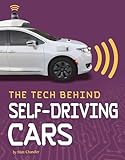
The level applies to the feature that is active, not permanently to the whole vehicle. A vehicle with multiple driving features may operate at different automation levels depending on which feature is engaged. SAE describes its levels as technical and descriptive, not legal classifications. SAE International’s summary of the automation levels
What the human driver must do
While Level 3 is engaged, you are not expected to continuously supervise the driving task as you would with Level 2 assistance. You must, however, remain available to resume driving when the system requests a takeover. NHTSA describes the role as: “System Drives, You Must Be Available To Take Over Upon Request.” If the system can no longer operate and prompts you, NHTSA says you must resume all aspects of the driving task. NHTSA’s Automated Vehicle Safety guidance
SAE’s 2021 explanatory chart puts the distinction plainly: “These features can drive the vehicle under limited conditions and will not operate unless all required conditions are met.” It adds: “When the feature requests, you must drive.” The chart uses “traffic jam chauffeur” as an illustrative example of Level 3, not as proof that a particular product is currently available. SAE International’s 2021 Levels of Driving Automation chart
How Level 3 differs from Levels 2 and 4
| Level | What the system does | Human role |
|---|---|---|
| Level 2 | Supports steering and speed control together. | Continually supervises the system and intervenes when needed. |
| Level 3 | Performs the driving task under defined conditions. | Remains available to take over after a request or system failure. |
| Level 4 | Performs automated driving under defined conditions. | Is not needed to mitigate risk within those conditions. |
These are descriptions of the system’s role and the human’s role, not promises that a feature is offered in every vehicle or location. SAE’s chart contrasts Level 2’s continuous supervision with Level 3’s conditional operation and takeover request; Level 4 does not depend on a human to mitigate risk while operating within its defined conditions. SAE International’s 2021 Levels of Driving Automation chart
Does Level 3 mean you can stop watching the road?
Level 3 means you do not have to continuously supervise the feature in the way a Level 2 driver must. It does not mean you can sleep, leave the driver’s seat, or disregard a takeover request. The system’s operating conditions and its instructions still matter. SAE’s level definitions are technical descriptions, not a statement of what local law permits in a particular place.
Do these 3 things before closing this tab:
1Repair Windows errors before they cause bigger problems2Scan for outdated or missing drivers - takes under a minute3Clear out junk files and repair common Windows errorsWhat “defined conditions” means
A Level 3 system operates only in its specified conditions; it is not designed, by virtue of its level, to drive on every road or in every situation. The cited level descriptions do not establish which roads, speeds, weather conditions, or jurisdictions permit a particular feature to operate. Check the vehicle’s own operating instructions and applicable local requirements rather than inferring availability from the Level 3 label.
Quick Recap
Rank #3
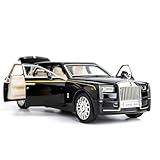
- Product size: 6.69*2.36*1.97 inches Weight: 0.7 pounds Outer packaging: exquisite color translucent packaging box
- Material: Die-cast car model, made of zinc alloy, with plastic parts, rubber tires, detailed interior and exterior decoration.
- Function: Press the two wheels of the front car to trigger the sound of the engine and the lights, with upright car logos,the angel logo is stored in the hood. The details of the body interior are realistic. Place the car on a flat ground, press the body and pull it back, the car will drive forward. (With pull back function)
- This Rolls-Royce Phantom 1/32 car model pull back car is very suitable for children to play with. The paint is exquisite and feels good, and it is heavy to hold. It is also very suitable for car model enthusiasts as a decoration.
- Accessories and collections: This product is very suitable for static accessories and can be used as an accessory next to a computer. For those who are passionate about collecting model car models, this is a great art collection.
Product prices and availability are accurate as of the date/time indicated and are subject to change. Any price and availability information displayed on Amazon at the time of purchase will apply.

