
Free tools Windows power users keep installed
One-click scans. No signup required.
If smart-home devices stopped working after a VLAN change, check two separate paths: whether the device has a valid address on the intended network, and whether your controller can both discover and communicate with it. mDNS discovery is normally limited to the local network segment, so devices on different VLANs may need a narrowly scoped mDNS reflector. Even then, firewall rules must allow the controller’s actual control traffic.
Why a VLAN change can break smart-home devices
A VLAN separates network traffic into distinct segments. Moving a device or controller to another VLAN can therefore affect more than its IP address: it can change DHCP assignment, routing, multicast discovery, firewall access, or client-isolation behavior.
mDNS, commonly used for Bonjour and some smart-home discovery, uses UDP port 5353 and multicast addresses 224.0.0.251 for IPv4 and FF02::FB for IPv6. RFC 6762 defines this link-local multicast protocol; ordinary routing does not carry its announcements across VLAN boundaries. RFC 6762: Multicast DNS Apple likewise explains that Bonjour advertises services using multicast, which usually is not routed between subnets. Apple’s Bonjour deployment guidance
Discovery and control are separate. A controller might not see a device because its service announcement never crossed the VLAN boundary. Or it might see the announcement but fail to connect because routing, an access-control rule, or the device’s pairing state blocks the control path.
Quick wins for a faster PC:
Repair Windows errors before they cause bigger problemsFix Now →Fix the driver behind crashes, sound loss and screen glitchesFind Drivers →#1 Best Overall

- Echo Hub — An easy-to-use smart home control panel redesigned for your home. Arrange controls on your dashboard to quickly adjust devices, view cameras, start routines, and more.
- Customize your dashboard — Arrange devices into sections and resize them to focus on what matters most. Create a personalized layout that matches how your family uses their connected devices.
- Reimagined for your home - With an Alexa+ and compatible Ring subscription (sold separately), get Ring camera event summaries to stay in the know. Search your Ring footage using simple voice commands. Create routines by voice, activate modes to manage multiple devices at once, and chat with Alexa to easily control your smart home.
- Home security for the whole family — Use Echo Hub to easily arm and disarm your compatible security system, making it easy for everyone in your family to manage home security. Use the Alexa app and compatible cameras, locks, alarms, and sensors to check in while you're out.
- Works with thousands of Alexa compatible devices — WiFi, Bluetooth, Zigbee, Matter, Sidewalk, and Thread devices sync seamlessly with the built-in smart home hub.
1. Confirm the device has the right network address
Before changing multicast settings, verify that the device actually joined the intended network and received a usable address.
- Check that it is powered on and associated with the intended Wi-Fi SSID or wired VLAN.
- Find its current DHCP lease. Confirm the IP address, subnet, and gateway match the network you intended it to use.
- Compare the lease with any address shown in your controller. An old or unexpected address can indicate that the device is still on another network or has stale information.
If the lease is missing or wrong, investigate Wi-Fi association, DHCP, VLAN tagging or assignment, and gateway configuration first. An mDNS relay cannot fix a device that never joined the network or received a valid address. Home Assistant also recommends checking a device’s discovered IP information against its DHCP lease and verifying reachability. Home Assistant: HomeKit Device troubleshooting
2. Check discovery from the controller’s network
Test discovery from the machine or network interface that runs the controller. A phone on a different network may see different announcements, so its discovery results do not necessarily reflect what Home Assistant or another automation host can see.
For Home Assistant
- Open Settings > System > Network > Zeroconf Browser and check whether the relevant service appears. Home Assistant’s browser lists devices found through Zeroconf/mDNS. Home Assistant: Zeroconf
- For HomeKit devices, Home Assistant recommends an mDNS diagnostic such as
python3 -m netdisco. Run it in a suitable network context and compare what it finds with the DHCP lease. Home Assistant: HomeKit Device troubleshooting
For another controller
Use its device-discovery view or a service browser running on the controller host or its network. Record whether the service is visible and which address it advertises. If the address differs from the current DHCP lease, investigate stale information or the device’s network attachment before adding firewall exceptions.
If the device has a valid lease but its announcement is not visible across VLANs, check whether the gateway supports mDNS reflection or a Bonjour gateway, and whether any service filter permits the service the controller needs. A reflector forwards discovery announcements; it does not automatically grant access to the device’s control service.
Rank #2
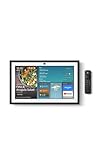
- MEET ECHO SHOW 15 - A stunning 15.6" Full-HD (1080p) smart display that's perfect for your kitchen and ready to show you more. Use customizable widgets to keep your day on track, watch your favorite shows with Fire TV and powerful vibrant sound, and enjoy natural video calling, with 3.3x zoom and wide field of view.
- FAMILY ORGANIZATION HUB - See your top widgets at a glance, like your family’s calendars and to-do lists, local weather, smart home, and more.
- ALL YOUR FAVORITES, ALL RIGHT HERE - Built-in Fire TV unlocks endless entertainment, so you can enjoy your favorite content from thousands of apps like Prime Video, Netflix, YouTube, Apple TV, and more (subscription may be required). Fire TV remote included. Plus, now you can quickly add a device to play music with Active Media - start playing a song in the kitchen, then add the living room and bedroom on the fly.
- SMART HOME CENTRAL - Control smart devices with your voice or a few taps using the smart home dashboard. Easily turn on all your living room lights at once or check live camera feeds to see what's happening around your home.
- YOUR FAVORITE MEMORIES ON DISPLAY - Brighten your space (and your day) by turning your home screen into a photo slideshow that displays your favorite memories. Auto curate your images and show off your favorite family memories.
3. If discovery works, test the control path separately
A visible service advertisement does not prove that the controller can reach or operate the device. From the controller’s network, check the route to the device’s current address, the relevant subnet masks and gateways, and firewall or ACL rules in the directions required by the integration.
Use the documentation for the specific controller and accessory to identify required ports and protocols. There is no universal smart-home control port list established for all devices, so avoid opening broad ranges based on guesswork.
For Home Assistant, if discovery tools find a HomeKit device but the integration still cannot use it, follow the integration’s troubleshooting guidance. Pairing state can matter: Home Assistant notes that an accessory already paired elsewhere may need to be reset according to its manufacturer’s instructions before it can be added to that integration. Home Assistant: HomeKit Device troubleshooting
4. Review isolation and multicast settings
Check the network controls that may block traffic even when addressing and routes look correct:
- Wi-Fi client or guest-network isolation.
- Switch ACLs or device-isolation rules.
- Multicast and broadcast filtering or forwarding settings.
- IGMP snooping and other multicast handling on the relevant network equipment.
- mDNS relay service filters, if the gateway supports them.
Isolation is not the same as a VLAN boundary. For example, Ubiquiti says device isolation prevents direct device-to-device communication, including discovery and casting. Review the policy for the exact clients involved rather than disabling isolation everywhere. Ubiquiti: Traffic Management Rules
Rank #3
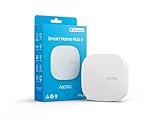
- Powered by SmartThings: Connect, monitor, and automate your home through the SmartThings app. Build a reliable, unified smart home using Samsung's proven ecosystem
- Matter + Zigbee Smart Home Hub: Supports the newest Matter standard plus Zigbee for lighting, sensors, plugs, switches, thermostats, and more - thousands of compatible devices. PLEASE NOTE: Z-Wave not supported
- Easy Setup with Wi-Fi or Ethernet: Get started in minutes using Wi-Fi or a wired Ethernet connection for apartments, houses, and expanding smart home systems - Z-Wave not supported
- Automations That Work for You: Create custom routines for security, lighting, comfort, and energy savings. Many local automations continue working even if your internet goes offline
- Wide Device Compatibility: Connect compatible smart devices from Aeotec and many other brands to build a unified system for lighting, voice control, energy management, and climate settings
Home Assistant notes that network configuration, including IGMP snooping in some reported environments, has been associated with HomeKit discovery problems, while outcomes vary with hardware and configuration. Treat changing IGMP settings as a targeted test, not a universal remedy. Home Assistant: HomeKit Device troubleshooting
5. Check the controller host, container, or VM
The automation host needs to listen on an interface that can receive the relevant discovery traffic, as well as have a route to the device’s network. Confirm its active interface, VLAN attachment, host firewall, and any container or virtual-machine network configuration.
Home Assistant’s Zeroconf interface selection follows its Network integration. A misconfigured host can prevent integrations that rely on Zeroconf from responding, even if the device itself has a valid address. Home Assistant: Zeroconf
If the host has multiple NICs, runs in a container, or uses virtualization, check the platform-specific networking configuration for multicast reception and routed access. Do not assume that a successful discovery test from the host machine proves that a container or VM sees the same traffic.
Independent reader supportYour contribution helps us test, update, and keep practical guides available for everyone.6. Account for devices that do not use mDNS
Some smart-home products use other discovery or transport mechanisms, including Bluetooth or Thread. A missing mDNS announcement is not proof that every smart-home device requires an mDNS relay; check the device and integration documentation for the mechanism it actually uses.
Rank #4
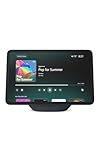
- New size, more viewing area: The 11“ smart display features a vibrant Full-HD touchscreen with 60% more viewing area versus Echo Show 8 (2025 release), built-in smart home hub, AZ3 Pro chip for powerful performance, and Omnisense technology for highly personalized experiences.
- Content looks and sounds incredible: Watch shows on Prime Video, Netflix, and more on the vibrant Full-HD 11" screen and enjoy room-filling spatial audio, crisper vocals, wider sound stage, and up to 2x bass versus Echo Show 8 (2023 release). With Alexa+, find the name of that song you love and discover new shows based on your preferences.
- Your everyday assistant: The 11" display makes it easy to see recipes and calendars at a glance, find meal inspo, and manage your shopping lists. With Alexa+, find recipes based on foods you love, make reservations, order groceries, and more.
- Simple Smart Home control: Pair and control thousands of devices that work with Alexa without needing a separate smart home hub. Easily view your camera feeds. Manage lights, thermostats, and more using the display or your voice. With Omnisense technology, you can activate routines via temperature, presence, or visual ID detection.
- Crystal-clear video calls: Video calls feel natural on the vibrant 11" screen with a centered, auto-framing camera, 3.3x zoom, and noise reduction technology. Use live view to check in on your family, pets, and more while you're away.
For a HomeKit accessory previously used with Thread, Home Assistant notes that stored Thread credentials can affect joining. A reset may be needed to ensure the accessory is not still tied to an earlier Thread network. Home Assistant: HomeKit Device troubleshooting
Recommended Free Tools
Choose the smallest network change that restores service
Match the fix to the failed path rather than broadly weakening network separation.
| What you observe | What to investigate | Likely next step |
|---|---|---|
| No valid or expected DHCP lease | Association, DHCP, VLAN assignment or tagging, and gateway settings | Restore correct network attachment and addressing before changing discovery rules. |
| Valid lease, but controller cannot see the service across VLANs | mDNS/Bonjour reflection, service filters, multicast handling, and controller interface | Enable only the required discovery relay between the device VLAN and the controller network, if supported. |
| Controller sees the service, but cannot operate the device | Routing, ACLs, host firewall, actual integration ports and protocols, and pairing state | Permit the documented control traffic between the relevant endpoints. |
| Discovery or control fails only for isolated clients | SSID client isolation, switch isolation, and multicast policy | Adjust the specific policy that blocks the intended controller-device path. |
Home Assistant explicitly calls for an mDNS reflector when Home Assistant and HomeKit devices are on different VLANs. That guidance is specific to this documented HomeKit setup, not a blanket rule for every smart-home platform. Home Assistant: HomeKit Device troubleshooting
Gateway implementations vary. For example, Ubiquiti documents forwarding mDNS between selected networks, with service filtering, and requires a UniFi Gateway for that feature. This is a vendor-specific example, not a general hardware requirement. Ubiquiti: mDNS and Multicast DNS
Before buying new equipment, check whether your current gateway can route the needed control traffic and reflect the required discovery services between only the intended networks. Consider an upgrade only if it lacks a capability your setup actually needs, and verify VLAN routing, mDNS relay or service-filter support, and firewall controls for your devices and controller.
What’s actually slowing this PC down?
Pick the symptom - the matching free tool is one click away.
Quick Recap
Product prices and availability are accurate as of the date/time indicated and are subject to change. Any price and availability information displayed on Amazon at the time of purchase will apply.

