
The Tool Desk
Outbyte PC Repair FREEClear out junk files and repair common Windows errorsFree Scan →Outbyte Driver Updater FREEFix the driver behind crashes, sound loss and screen glitchesFind Drivers →iTechGuides is reader-supported. When you buy through links on our site, we may earn an affiliate commission. As an Amazon Associate I earn from qualifying purchases. Learn more
The sixth edition of the Raspberry Pi Beginner’s Guide is a beginner-focused book updated for Raspberry Pi 500 and Raspberry Pi 500+ computers and Raspberry Pi OS Trixie. Published on 5 December 2025, it guides readers from setup and desktop basics through Scratch, Python, electronics projects, camera use, and a final chapter on Raspberry Pi Pico 2. Raspberry Pi’s announcement and the publisher’s book page describe the edition and its contents.
What is new in the sixth edition?
Raspberry Pi announced the sixth edition on 5 December 2025. The publisher says it updates the fifth edition, which featured Raspberry Pi 5 and Raspberry Pi OS Bookworm, for Raspberry Pi 500, Raspberry Pi 500+, and Raspberry Pi OS Trixie. It also describes improvements, clarifications, and corrections, but does not provide a complete technical change log.


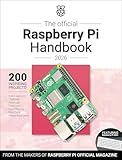
Brian Jepson, author of the announcement, wrote: “The 6th edition is available now, featuring Raspberry Pi 500 and 500+, and Raspberry Pi OS Trixie.”
Outdated Drivers Are Slowing You Down
One free scan finds every outdated or missing driver and matches the right update for your exact hardware.Free scan · exact hardware matchWindows Errors? Fix Them Before They Spread
Repair common Windows errors and clear accumulated junk for a smoother, more stable PC - no reinstall needed.Free scan · no reinstallWhat does the guide cover?
The chapters build from getting a Raspberry Pi running to programming and using optional hardware. That progression makes the book useful both as a first-computer guide and as an introduction to practical projects.
#1 Best Overall
Setup and desktop basics
The opening material tours Raspberry Pi hardware, then walks through setup, first boot, the desktop environment, and installing software. The publisher summarizes these goals as installing the operating system and beginning to use the computer.
Scratch and Python
Chapters 4 through 7 introduce Scratch and Python. Readers start with programs that do not require additional hardware, then move into physical computing: using inputs such as push buttons and outputs such as LEDs. The publisher also lists step-by-step Scratch 3, Python, and MicroPython instruction among the book’s learning outcomes.
Rank #2
Sense HAT projects
Later projects use the optional Sense HAT, including its sensors and LED matrix. This extends the earlier programming work into reading inputs and displaying results on a physical device.
Quick wins for a faster PC:
Clear out junk files and repair common Windows errorsFree Scan →Fix the driver behind crashes, sound loss and screen glitchesFind Drivers →Repair Windows errors before they cause bigger problemsFix Now →Camera Module and Pico 2
The penultimate chapter covers taking photos with a Raspberry Pi Camera Module. The final chapter introduces Raspberry Pi Pico 2 and builds on earlier Python and physical-computing material. Pico 2 is a separate microcontroller board, not another Raspberry Pi desktop computer.
The book also includes appendices with reference material.
Is this edition right for your Raspberry Pi?
The publisher presents the guide for newcomers using a standard Raspberry Pi board, a compact Raspberry Pi Zero, or a keyboard-integrated Raspberry Pi. That broad scope does not mean every exercise works unchanged on every model: the publisher’s pages do not include a project-by-project compatibility matrix.
Choose it based on what you want to learn and what hardware you have:
- First setup and coding: The early chapters cover installing the operating system, learning the desktop, and beginning with Scratch and Python.
- Electronics: Later exercises involve components such as push buttons and LEDs, followed by Sense HAT projects. Check what optional hardware you will need for the projects you want to try.
- Photography: The camera chapter is relevant if you plan to use a Raspberry Pi Camera Module. Confirm that the module and cable suit your particular board.
- Microcontroller projects: The final chapter covers Pico 2, which is a distinct board from the Raspberry Pi computer used for the earlier desktop material.
Print and electronic editions
Raspberry Pi’s 5 December 2025 announcement said the print book was available through the Raspberry Pi store for a launch price of £19.99, with Amazon US and UK among the named retailers. It also listed PDF and ePUB options. The publisher’s book page identifies this as the December 2025 edition and says contributors can get a free e-book. Current prices, stock, marketplace listings, and contribution conditions may differ from those statements at launch; check the publisher’s page or retailer for current details.
Quick Recap
Best Value
Product prices and availability are accurate as of the date/time indicated and are subject to change. Any price and availability information displayed on Amazon at the time of purchase will apply.

