
iTechGuides is reader-supported. When you buy through links on our site, we may earn an affiliate commission. As an Amazon Associate I earn from qualifying purchases. Learn more
HOTOL & Skylon: The Story of Britain’s Spaceplanes is a detailed history of two British reusable-spaceflight concepts that never became flying vehicles. Rob Coppinger’s 2026 book is most appealing to readers who want project history and recollections from people involved; one reviewer, however, found its long chapters and broad scope difficult to navigate.
What is the book about?
Published in association with the British Interplanetary Society, Rob Coppinger’s HOTOL & Skylon: The Story of Britain’s Spaceplanes traces two ambitious British approaches to reusable spaceflight. HOTOL—short for Horizontal Take-Off and Landing—and the later Skylon concept, associated with Reaction Engines, envisioned vehicles that would combine aspects of aircraft-like operation with access to space.
| # | Preview | Product | Price | |
|---|---|---|---|---|
| 1 |
|
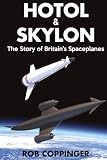
HOTOL & Skylon: The Story of Britain's Spaceplanes | $26.87 | Buy on Amazon |
The book also brings in spaceplane projects from elsewhere. The Space Review describes that wider framing as part of the book’s history of the concepts, their engineering ambitions, and the eventual absence of development funding. The vehicles’ unrealized status is central to the story: neither HOTOL nor Skylon was completed or flew.
The Tool Desk
Outbyte Driver Updater FREEFix the driver behind crashes, sound loss and screen glitchesFind Drivers →Outbyte PC Repair FREERepair Windows errors before they cause bigger problemsFix Now →What stands out in the history?
Recollections from people involved
The National Space Society reviewer highlights the book’s recollections from participants and its extensive quotations. That material can make the account especially valuable to readers interested in how these projects were discussed and pursued, beyond the technical idea of a reusable spaceplane.
#1 Best Overall
Engineering ambition without a completed vehicle
The appeal is partly the contrast between the scale of the ambition and the outcome. HOTOL and Skylon sought reusable, aircraft-like approaches to spaceflight, but the book is a history of concepts and efforts—not a chronicle of operational vehicles. Readers looking for a story of flight testing or deployment should set that expectation aside.
Is the book easy to read and navigate?
That depends on what you want from it. The NSS reviewer praises the detail and first-hand recollections, but criticizes the pacing and the long chapters’ lack of subheadings. Readers who prefer short, clearly signposted sections may find it less convenient to dip into or skim.
Its scope also has a trade-off. The Space Review notes that the book places the British efforts alongside projects around the world; the NSS reviewer felt the attention to projects beyond HOTOL and Skylon could distract from the central story. If you want a tightly bounded account of the two British concepts, that broader context may feel like a detour. If you welcome comparisons, it may be an asset.
Do these 3 things before closing this tab:
1Fix the driver behind crashes, sound loss and screen glitches2Clear out junk files and repair common Windows errors3Scan for outdated or missing drivers - takes under a minuteWho is likely to enjoy it?
- A good fit: readers of spaceflight history who want a substantial account of HOTOL and Skylon, including recollections from people involved.
- Potentially less suitable: readers seeking a briskly paced overview, frequent subheadings, or a focused technical guide to a vehicle that actually flew.
- Worth noting: reviewers’ judgments differ on whether the book’s wider spaceplane context strengthens the story or pulls attention away from its British subjects.
Which edition details are established?
The Space Review lists a 268-page illustrated hardcover and ISBN 979-8198066182. The National Space Society review lists hardcover, paperback, and Kindle formats, but gives a different ISBN, 979-8198069084. The reviews do not establish whether those identifiers refer to different formats or editions, so verify the specific format and ISBN with the retailer before ordering.
Verdict
This is a potentially rewarding book for readers drawn to the history and people behind Britain’s unrealized spaceplane ambitions. Its strengths, according to the NSS review, are the detailed recollections and quotations; its reported weaknesses are pacing and navigation, while the wider project context may either enrich or dilute the focus. Choose it for the history of the efforts—not for accounts of vehicles that reached the sky.
Quick Recap
Product prices and availability are accurate as of the date/time indicated and are subject to change. Any price and availability information displayed on Amazon at the time of purchase will apply.

