
Image metadata is information stored with an image file. It can identify the creator and rights holder, describe the picture, record when and how it was made, and support search and asset management. The practical rule is to inspect metadata before changing it: preserve creator, copyright and licensing information, and remove other fields only for a clear purpose and with the copyright holder’s agreement.
What is image metadata?
“Image metadata” is an umbrella term, not one field or one file format. Metadata may describe the image’s subject, identify its creator and owner, document licensing terms, or record technical capture details such as camera settings, color information and location. Different standards and applications store these properties in different places, so two files with the same visible pixels can carry very different metadata.
Metadata is useful for cataloguing, retrieval, rights administration and archival workflows. It is also potentially sensitive: a file can reveal a camera’s location data, a creation time, editing history or identifying author information. Whether a website or social platform preserves any particular field varies by service and upload path; do not assume that metadata will always survive or always be removed.
What is EXIF data?
EXIF (Exchangeable Image File Format) is the name commonly used for technical capture metadata written by cameras and phones. Typical EXIF properties include camera make and model, lens, exposure, aperture, focal length, orientation and timestamps. Some files also contain positioning data and an embedded color profile.
#1 Best Overall
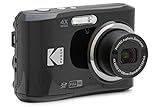
- 16MP Sensor: Captures detailed photos with a CMOS sensor for everyday shooting
- Optical Zoom: 4x optical zoom with a 27mm wide angle lens for flexible framing indoors or outdoors
- Full HD Video: Records 1080p video for travel clips, family moments, or simple vlogging
- Memory Support: Works with Class 10 SD, SDHC, or SDXC cards up to 512GB
- LCD Screen and Battery: 2.7in LCD screen with 2 AA alkaline batteries for convenient on-the-go use
EXIF is not synonymous with all image metadata. Camera manufacturers and other standards bodies control technical capture data, while IPTC defines descriptive, administrative and rights-oriented photo properties. A JPEG can therefore contain both EXIF and IPTC information, along with an XMP representation.
The time-zone trap
IPTC’s user guide states that “Exif currently does not hold time zone information in its time stamp.” When software imports an EXIF time into an XMP date field, it must supply a time zone. Applications often use the computer’s local zone, which can be wrong when a photograph was made elsewhere. Check the zone before relying on imported dates for archives, legal records or chronological searches.
How do EXIF, IPTC and XMP differ?
| Term | What it represents | Typical use |
|---|---|---|
| Technical capture data, often called EXIF | Camera- or phone-recorded technical characteristics; implementation is outside the IPTC Photo Metadata Standard. | Exposure, lens, orientation, device and capture-time details. |
| IPTC Core | Descriptive and rights fields with roots in the older IIM schema and an XMP implementation. | Caption, creator, copyright notice, credit and usage information. |
| IPTC Extension | More granular descriptive and rights properties; Extension fields are XMP-only. | Specialized subject, model, artwork and rights details. |
| IIM | A legacy storage representation used by older IPTC workflows. | Compatibility with systems built around the older IPTC Information Interchange Model. |
| XMP | An extensible metadata representation used by modern applications. | Embedding IPTC Core and Extension data, or storing it in a sidecar file. |
Core properties may appear in IIM, XMP or both. If software writes both, the values need to stay synchronized; otherwise one application may display stale information. Raw camera formats commonly use XMP sidecars when metadata is not embedded in the original file. Keep the sidecar with the raw file when moving or backing up an asset.
Which metadata should a professional image contain?
For a practical starting set, IPTC recommends recording:
What’s actually slowing this PC down?
Pick the symptom - the matching free tool is one click away.
- Description or caption
- Creator or image creator
- Copyright owner
- Copyright notice
- Credit line
- Date created
Use a creator or owner identifier where available. Date Created may already exist as EXIF, but verify its time-zone interpretation before importing it into XMP. Add more IPTC Extension fields when your newsroom, archive, agency or client requires them. Accurate values improve retrieval and preserve the context needed to license an image later.
The current IPTC standard
As of September 2026, the current IPTC Photo Metadata Standard is version 2025.1, published in November 2025. That release added four IPTC Extension properties for AI-generated content: AI Prompt Information, AI Prompt Writer Name, AI System Used and AI System Version Used. The existence of fields in the standard does not mean every editor, catalog or publishing platform already displays or preserves them.
Rank #2

- 16MP Sensor: Captures detailed photos with a CMOS sensor for everyday shooting
- Optical Zoom: 5x optical zoom with a 28mm wide angle lens for flexible framing indoors or outdoors
- Full HD Video: Records 1080p video for travel clips, family moments, or simple vlogging
- Memory Support: Works with Class 10 SD, SDHC, or SDXC cards up to 512GB
- Rechargeable Battery: Included LB-012 lithium-ion battery charges in the camera over USB with the supplied adapter in about 2 hours; charge it for at least 4 hours before first use to maximize battery life
How do I view photo metadata?
Use a viewer that can show more than the operating system’s basic file summary. Start with a copy of the original so that inspection never changes your master file.
Windows and macOS quick checks
- On Windows, right-click the file, choose Properties, then open Details. This exposes a limited subset of fields.
- In macOS Finder, select the file and choose Get Info. For richer results, open the image in an editor or catalog application that lists EXIF, IPTC and XMP separately.
- Compare the original and any exported copy. Export settings can rewrite, omit or synchronize fields differently.
ExifTool for a complete inventory
IPTC describes ExifTool as free software for reading and writing image metadata. A read-only command that prints groups, duplicate tags and tag names is:
Free tools Windows power users keep installed
One-click scans. No signup required.
exiftool -G1 -a -s photo.jpg
Useful variations include:
exiftool -EXIF:all -IPTC:all -XMP:all photo.jpgto focus on the three main families.exiftool -json photo.jpg > photo-metadata.jsonto create a machine-readable inventory.exiftool -r -G1 -a -s photos/to inspect a directory recursively.
Read commands do not alter the image. Treat exported JSON as a record of what was present at inspection time, not as a replacement for the original file.
How do I remove metadata from a photo?
First decide what must remain. Preserve creator, owner, copyright notice, credit and licensing information unless the rights holder has authorized a different treatment. IPTC’s preservation guidance says, “Copyright management information metadata must never be removed from the files,” and says other metadata should be removed only by agreement with copyright holders. That is IPTC guidance, not a universal legal rule; contracts and laws differ by region and use.
A cautious ExifTool workflow
- Make a verified backup of the original.
- Inspect the file and record fields you need to retain.
- Work on a derivative copy, not the master.
- Remove only the categories your policy permits. For example,
exiftool -gps:all= copy.jpgremoves GPS tags from the copy while leaving other groups in place. - For a complete scrub of a derivative, ExifTool supports
exiftool -all= copy.jpg. This also removes rights and creator data, so use it only when that loss is intentional and authorized. - Inspect the result again and check the rendered image. Some applications may recreate orientation or color information during export.
Metadata removal is not a guarantee of privacy. The visible image itself may reveal a location, screen, person or document, and a service may create its own upload records. Redaction, cropping and review of the pixels are separate steps.
Common metadata problems and fixes
Two applications show different values
Look for duplicate IIM and XMP fields. Update the authoritative copy, then use software that synchronizes both representations. Keep a backup before batch rewriting.
Do these 3 things before closing this tab:
1Scan for outdated or missing drivers - takes under a minute2Repair Windows errors before they cause bigger problems3Fix the driver behind crashes, sound loss and screen glitchesRank #3
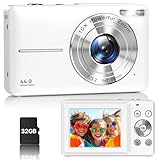
- Latest Digital Camera Built-in Fill Light : This compact digital camera is paired with a powerful CMOS processor and image stabilization to help you take & record the most exciting moments in 44 MP quality images & FHD 1080P quality videos anywhere, anytime. Plus, there is also a built-in fill light to help you take high quality pictures even in low light&dark settings, making this the perfect camera for all indoors/outdoors situations.
- Long-Lasting Battery Life & 16X Digital Zoom :This point and shoot camera will retain its battery charge even after long use. The controls and functions are easy to operate making this the perfect choice for children, teens and younger. This kids camera supports 16x digital zoom, you can zoom in or out the subject by pressing the W/T button for taking still photos to zoom in or out on distant objects and capture all the details you need.
- Multifunctional & Portable Digital Camera: This cheap digital camera is slim enough to fit in your pocket. You'll easily be able to take it with you on all your indoor/outdoor activities and adventures and ideal for beginners, children and teenagers. This kids digital camera is equipped with 20 filters, anti-shaking, self-timer, continuous shooting, date stamp, time-lapse recording, smile capture, internal MIC and speaker (recording sound videos), great for your daily photography needs.
- WEBCAM & PAUSE FUNCTION : More than just a FHD 1080p digital camera, it also works as a webcam for video calls and vlogging. Connect the camera to the computer, press shutter and power button at the same time and the camera will automatically turn on webcam mode for all your video calling and live streaming needs. The pause function allows you to pause when seeing playback videos.
- A Must Have Photography Device : This digital camera with SD card made from high-quality materials, this retro camera is safe and durable. Perfect for all ages to develop & improve their photographic abilities and observation skills. Our dedicated and experienced 24/7 support team is available for all after purchase troubleshooting, questions and technical help.
The date is shifted by hours
Check the source camera’s local time and the importing computer’s time zone. EXIF does not carry a time zone, so correct the XMP value explicitly rather than accepting an automatic conversion.
Metadata disappeared after export
Review the editor’s export or privacy settings and compare the exported file with the original. Re-embed approved IPTC data in the final derivative and retain the master separately.
A raw file has no embedded IPTC fields
Look for an accompanying XMP sidecar. Move and back up the raw file and sidecar together; separating them can make the descriptive and rights data appear lost.
Batch cleanup changed more than expected
Stop, restore the backup and test the command on a small sample. Use group-specific assignments instead of a blanket -all= operation when rights information must survive.
Or skip the browser setup
If you are documenting an image-metadata workflow and need clean screenshots of a documentation page or web interface, ScreenshotNeo can return a screenshot or PDF from one request. It accepts consent banners before capture and removes more than 60 known consent platforms, newsletter popups and chat widgets; each cleanup step can be disabled. Bot checks, blank pages, timeouts, failed loads and cache hits are not billed, and the response identifies the page verdict and billing status in headers. Its MCP server provides take_screenshot, get_page_info and capture_pdf tools for Claude, Cursor and other MCP clients.
See the ScreenshotNeo documentation for all options. A direct call looks like this:
curl -G "https://api.screenshotneo.com/v1/shot" -d access_key=YOUR_API_KEY --data-urlencode url=https://stripe.com -o shot.webp
Rank #4
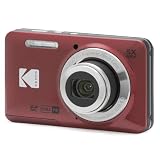
- 16MP Sensor: Captures detailed photos with a CMOS sensor for everyday shooting
- Optical Zoom: 5x optical zoom with a 28mm wide angle lens for flexible framing indoors or outdoors
- Full HD Video: Records 1080p video for travel clips, family moments, or simple vlogging
- Memory Support: Works with Class 10 SD, SDHC, or SDXC cards up to 512GB
- Rechargeable Battery: Included LB-012 lithium-ion battery charges in the camera over USB with the supplied adapter in about 2 hours; charge it for at least 4 hours before first use to maximize battery life
Python:
import requests
r = requests.get("https://api.screenshotneo.com/v1/shot", params={"access_key": "YOUR_API_KEY", "url": "https://stripe.com"}, timeout=90)
open("shot.webp", "wb").write(r.content)
Node.js:
const q = new URLSearchParams({ access_key: 'YOUR_API_KEY', url: 'https://stripe.com' });
const res = await fetch(`https://api.screenshotneo.com/v1/shot?${q}`);
The Free plan includes 1,000 screenshots per month with no card; paid plans start at $5 for 3,000 shots. Create a free ScreenshotNeo account.
Metadata checklist
- Keep an untouched original and work on derivatives.
- Inspect EXIF, IPTC and XMP separately.
- Confirm creator, owner, copyright notice, credit and caption.
- Check date and time-zone interpretation.
- Keep raw files with their XMP sidecars.
- Obtain rights-holder agreement before removing nonessential metadata.
- Verify the final exported file instead of trusting an editor’s defaults.
Frequently Asked Questions
Can metadata prove who took a photograph?
It can provide creator and device fields, but metadata is editable and should be treated as supporting evidence rather than conclusive proof of authorship.
Is XMP a replacement for EXIF?
No. XMP is a metadata representation that can carry IPTC properties and other values; EXIF remains the common name for technical camera data.
Quick wins for a faster PC:
Repair Windows errors before they cause bigger problemsFix Now →Fix the driver behind crashes, sound loss and screen glitchesFind Drivers →Should I embed metadata in a website image?
Decide based on your rights, privacy and delivery requirements. Keep a fully documented master even if a web derivative contains fewer fields.
Quick Recap
Product prices and availability are accurate as of the date/time indicated and are subject to change. Any price and availability information displayed on Amazon at the time of purchase will apply.

