
Free tools Windows power users keep installed
One-click scans. No signup required.
iTechGuides is reader-supported. When you buy through links on our site, we may earn an affiliate commission. As an Amazon Associate I earn from qualifying purchases. Learn more
Start with the account holder, then ask their bank or credit union which alerts and access options it actually offers. An alert can flag activity, a trusted contact may be notified in limited circumstances, and formally authorized view-only access may let a helper monitor an account—but none of these automatically gives someone authority to move money. For transactions, a financial power of attorney (POA) may be appropriate, with significant legal and financial consequences.
This guide covers U.S. consumer guidance. Bank procedures and available features vary, and POA requirements depend on state law and the institution.
1. Agree on what help the account holder wants
Have the conversation with the older adult, not just about them. Ask which accounts are in scope, what kind of help they want, who they trust, and what activity should prompt a call. Age alone does not determine whether someone can make financial decisions; involve the account holder in choices for as long as they can participate.
Outdated Drivers Are Slowing You Down
One free scan finds every outdated or missing driver and matches the right update for your exact hardware.Free scan · exact hardware matchPC Slower Than It Used to Be?
A free scan shows the junk files, broken settings and background clutter dragging Windows down - then fixes them in one click.Free scan · Windows 10 & 11They may want a relative to sit down with them to review bills, or they may want a bank to contact someone if it cannot reach them and notices unusual activity. The Consumer Financial Protection Bureau (CFPB) suggests putting instructions in writing, including when a financial professional should contact a named person. Keep names and instructions current when accounts, preferences, or circumstances change. CFPB guidance on planning for diminished capacity explains how to plan ahead.
#1 Best Overall

- Enhanced Accessibility: Excelltel Landline Phones cater to seniors and individuals with hearing impairments by incorporating 9 one-touch speed dialing, customizable ringtone volume, and hands-free calling for effortless communication.
- User-Friendly Design: With a ABS body and photo one-touch dialing featuring an emergency SOS function, this phone ensures ease of use and safety for elderly and Alzheimer's patients.
- Tailored for Seniors: The EX-LD-858HF model from Excelltel features adjustable handset volume control, making it an ideal choice for seniors who prefer personalized settings for comfortable conversations. When a call comes in, the LED light flashes in sync, providing a visual call notification for seniors with hearing difficulties or in noisy environments, ensuring no important call is missed.
- Convenient Memory Features: This landline phone offers 10 groups of two-button memories along with a redial and flash function for quick and easy access to frequently dialed numbers, perfect for seniors requiring simple and efficient communication.
- Peace of Mind: Excelltel Landline Phones provide a reliable solution for seniors seeking a big button phone with essential features, ensuring seamless communication within the home and enhancing overall quality of life. Choose excellence with Excelltel for dependable landline communication for seniors and individuals with hearing impairments.
2. Ask the institution what alerts and safeguards it offers
The account holder should contact the bank or credit union using a phone number on a statement or bank card, or the institution’s independently verified website. Do not assume every institution offers the same features or uses the same labels.
Ask these questions for each checking or savings account:
Rank #2

- [One-Touch Dialing Memory Button] This corded telephone landline phone for seniors includes 10 programmable picture keys, allowing elderly users to call loved ones with a single press. An SOS Emergency Button: Simply pick up the handset and press the pre-programmed SOS button to instantly dial for help in an emergency. Please note: Do not unplug the phone line to avoid losing stored contact numbers
- [Extra-Large Buttons for Seniors] Designed for aging eyes and limited dexterity, the extra-large buttons make this big button phone for elderly simple and stress-free to use
- [Adjustable Volume] The ringer has 3 adjustable levels: OFF-LO-HI, with a maximum volume of 100dB for easier call detection. The handset volume is also adjustable in 3 levels: MED-HI-VHI
- [Dual-Key and Single-Key Mode] The telephone is set to Dual-Key Mode by default at the factory. In Dual-Key Mode: memory keys can be used to store phone numbers and also to dial them directly. In Single-Key Mode: Only allows you to dial pre-stored numbers. New numbers cannot be stored in this mode. (Single-Key Mode=One Norm Touch )
- [No Battery Required] Simply plug in the RJ11 phone line to start using it—no batteries or external power source required.
- What alerts can be set for account activity, and what transactions trigger them?
- How quickly are alerts delivered, and through which channels?
- Can alerts be sent to an authorized helper or third party, and what consent or paperwork is required?
- Does the institution offer formally authorized view-only access?
- Are transaction restrictions or withdrawal limits available, and how are they applied?
- What information can a trusted contact receive, and what would prompt the institution to reach out?
- What documentation is required to add, change, or remove an authorized helper?
Possible alert topics to ask about include withdrawals, transfers, debit-card activity, checks, changes to online access, and low balances. These are examples, not a standard set of features or thresholds available at every bank. Federal interagency guidance describes specified-activity alerts, restrictions, withdrawal limits, third-party alerts, and read-only access as possible protective features—not guaranteed offerings. See the 2024 interagency statement on trusted contacts and protective features.
What’s actually slowing this PC down?
Pick the symptom - the matching free tool is one click away.
An alert is a notification, not necessarily a hold or a block. Ask the institution what happens after an alert and whether any available restriction can prevent or delay a transaction. Do not assume a notification will stop a payment.
Rank #3

- WIFI APP Caregiver Wireless Pager :This Wi-Fi pager is designed to address your concerns about the well-being of elderly, disabled, or ill family members while you’re away from home. If they press the button or the watch, the pager will sound a loud alarm. (receiver requires plugging into an outlet) At the same time, you’ll receive a notification on your mobile app.
- Share App Notifications:You can set up shared alerts in the app. If a family member presses the button, an emergency notification will be sent to the shared user’s phone, ensuring you never miss a message.
- Customize button sounds to help you react quickly:You can set the button’s ringtone (choose from 20 options) and adjust the volume (5 levels) in the mobile app. This way, when a family member presses the button, you’ll know immediately where the call is coming from.
- App notifications + phone notifications:This Wi-Fi calling system allows you to receive app messages and notifications, so you can stay informed no matter where you are or what time it is. However, to ensure you don’t miss any messages when you’re offline, you can upgrade to phone and text message notifications, which will allow you to receive messages even without an internet connection.
- Buy once, enjoy lifetime service:If you have any questions about quality or usage, please feel free to contact us on Amazon—we’re always here to help.
3. Choose access that matches the helper’s job
These arrangements do different things. Before choosing one, ask what the helper can do, what information the institution may share, who retains control, what documents the bank requires, and how the arrangement can be changed or revoked.
| Arrangement | What the helper may do | What to clarify |
|---|---|---|
| Informal bill review | Review bills and budgeting with the account holder; the account holder keeps signing checks and making transactions. | Agree on the tasks and keep account credentials private. The CFPB describes family or friend help with bill paying as an option that need not transfer transaction authority: Can a family member or friend help me with bill paying and banking? |
| Trusted contact | May be contacted by the institution in certain circumstances; designation alone generally does not let the contact view account information or move money. | Ask what triggers outreach, what information may be shared, and whether the account holder’s consent can be recorded in advance. CFPB says trusted contacts do not have access to the person’s money: CFPB planning guidance. |
| Authorized view-only access | May allow a helper to monitor account information without transaction authority, if the institution offers and authorizes it. | Confirm what can be viewed, whether access includes statements or alerts, and how it can be revoked. Availability and details vary by institution. |
| Financial power of attorney (POA) | An agent may be able to conduct transactions on the account holder’s behalf, depending on the document, law, and bank review. | A POA can grant significant authority, including the ability to withdraw funds. The account holder should choose an agent carefully and consult a qualified lawyer when needed. Legal requirements and bank acceptance procedures vary. |
A trusted contact, view-only access, joint ownership, and POA are not interchangeable. Adding someone as a joint owner can affect ownership and survivorship rights; the consequences depend on the account and applicable law. The CFPB’s banking-help FAQ and planning guidance explain why legal authority should be considered separately from monitoring.
Rank #4
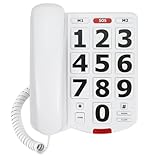
- [Extra- Big Buttons for Poor Eyesight] This is a user-friendly large button phone designed for seniors. Features oversized 1.06" x 1.18" buttons, about the size of a $1 coin. High-contrast black numbers on a white background make dialing easy for seniors with fading vision or cataracts. Large, raised keys are also friendly for those with stiff hands, reducing wrong dials, so elderly users can call family and friends confidently. NOTE: This large number phone does not have a speakerphone function.
- [One-Touch Quick Dial & SOS Emergency Key] This desk phone features M1/M2 memory keys and a red SOS button for one-touch calls to family or caregivers. Programming speed dial takes only 20 seconds, easy for seniors who are not familiar with electronic devices. It makes it simple for seniors or those with memory loss to access important contacts with ease. The SOS function brings extra peace of mind for older adults living alone.
- [Loud Ringer + Flashing Light for Hearing Loss] Never miss calls even with hearing difficulties. This corded phone features a ringer over 110 dB and adjustable handset volume up to 80 dB. A bright flashing light serves as a clear visual alert for incoming calls, ideal for the hearing impaired or noisy rooms. Both ringer and receiver volume are fully adjustable for comfortable daily use.
- [Reliable Corded Landline - No Power or Batteries Required] Different from cordless phones and cell phones, this corded landline runs purely on standard RJ11 phone line power. It requires no batteries and keeps working during power outages, storms or blackouts — a vital safety feature for areas hit by hurricanes and tornadoes. The 9-foot coiled cord offers great freedom of movement during calls, and you will never lose the handset. It is durable for long-term daily use. This senior phone hone does not support internet connection, answering machine or voicemail functions.
- [Simple, Easy-to-Use Design for Elderly] Built exclusively for seniors with simple and intuitive functions. It has a redial key for the last dialed number, and a Flash Key to restart dialing if you make a mistake. There are no confusing menus or complex features. Seniors can get the hang of it within minutes. Ideal for homes, hospitals and care facilities.
4. Protect logins and paper records
Do not work around the bank’s authorization process by sharing passwords, PINs, or one-time security codes. Use only the access method the institution approves. For account questions, the account holder should initiate contact using a known, verified channel rather than responding to an unexpected message.
Do these 3 things before closing this tab:
1Scan for outdated or missing drivers - takes under a minute2Repair Windows errors before they cause bigger problems3Fix the driver behind crashes, sound loss and screen glitchesThe FDIC advises: “Never give out your bank account numbers, Social Security number, personal identification numbers (PINs), passwords, or other sensitive information unless you initiate the contact through a legitimate webpage or phone number.” Keep statements and other sensitive papers secure, and shred documents containing sensitive information when they are no longer needed. See the FDIC’s Scams Targeting Older Adults.
Best Value

- WIFI APP Caregiver Wireless Pager :This Wi-Fi pager is designed to address your concerns about the well-being of elderly, disabled, or ill family members while you’re away from home. If they press the button or the watch, the pager will sound a loud alarm. (receiver requires plugging into an outlet) At the same time, you’ll receive a notification on your mobile app.
- Share App Notifications:You can set up shared alerts in the app. If a family member presses the button, an emergency notification will be sent to the shared user’s phone, ensuring you never miss a message.
- Customize button sounds to help you react quickly:You can set the button’s ringtone (choose from 20 options) and adjust the volume (5 levels) in the mobile app. This way, when a family member presses the button, you’ll know immediately where the call is coming from.
- App notifications + phone notifications:This Wi-Fi calling system allows you to receive app messages and notifications, so you can stay informed no matter where you are or what time it is. However, to ensure you don’t miss any messages when you’re offline, you can upgrade to phone and text message notifications, which will allow you to receive messages even without an internet connection.
- Buy once, enjoy lifetime service:If you have any questions about quality or usage, please feel free to contact us on Amazon—we’re always here to help.
5. Agree on how to handle an alert
Decide who will check alerts, how quickly they should respond, and how the helper will verify a suspicious transaction. If an unexpected text or email raises concern, do not call a number or click a link in that message; contact the bank through its independently verified website or a number on a statement or card. If money appears to be missing or activity looks suspicious, contact the institution promptly through that channel.
6. Recognize possible exploitation and seek help
Warning signs are not proof of wrongdoing, but they warrant a careful conversation and, where appropriate, prompt contact with the institution. The CFPB identifies possible signs including:
- Missing money or unexplained withdrawals or wires
- Unusually frequent ATM use
- Unpaid bills despite sufficient funds
- Unrecognized names on accounts or missing statements
- Unusual gifts or a sudden change in who handles the person’s money
Depending on the situation and local requirements, reporting options may include Adult Protective Services or law enforcement. State laws differ, including on reporting duties and whether a financial institution may delay a transaction. The CFPB’s older-adult fraud and exploitation resources provide additional guidance. For help with everyday money management, the CFPB suggests contacting an Area Agency on Aging or the Eldercare Locator; those services and options vary by location. CFPB planning guidance.
The scale of reported activity is substantial, but the figure needs careful interpretation: an FDIC release dated December 4, 2024, described a FinCEN analysis estimating about $27 billion in reported suspicious activity linked to elder financial exploitation over the one-year period ending June 2023. That is not a verified tally of stolen funds or proven losses. FDIC release on the FinCEN analysis.
Quick Recap
Product prices and availability are accurate as of the date/time indicated and are subject to change. Any price and availability information displayed on Amazon at the time of purchase will apply.

