
Protecting a domain means protecting three connected control points: the registrar account, the email address used to recover it, and any cloud service that manages DNS. Use unique passwords and phishing-resistant MFA, apply the registrar’s transfer lock, restrict administrative access, enable DNSSEC for DNS-data integrity, and monitor every security-sensitive change. If you suspect compromise, contact the registrar immediately and preserve evidence before attempting broad changes.
What “domain theft” can mean
Several different incidents are often described as domain theft, and they require overlapping but distinct controls:
- Registrar-account takeover: someone obtains credentials or support-assisted access and controls the management account.
- Unauthorized transfer: the registration is moved to another registrar using compromised credentials, contact details, or transfer authorization information.
- DNS tampering: nameservers or records are changed so web, email, or subdomain traffic goes somewhere unintended.
- Malicious use after control: an attacker operates phishing pages, intercepts mail, or creates deceptive subdomains.
Unexpected DNS results do not prove credential theft; a configuration error or provider outage can look similar. Check the registrar account, DNS provider, and registry status before deciding what happened.
Harden the registrar account and recovery email
Use separate, unique credentials
Create a long, unique password for the registrar and another for the recovery email account. Store both in a reputable password manager and protect the manager with its own strong authentication. Never reuse a password from another service. Where practical, use a private login address for the registrar that is not the same address displayed publicly as a registration contact; this preserves an independent account-contact trail.
What’s actually slowing this PC down?
Pick the symptom - the matching free tool is one click away.
#1 Best Overall

- Requires 3 "AAA" batteries (included)
- Unit auto-locks for 30 minutes after 5 consecutive incorrect PINs
Prefer phishing-resistant MFA
Enable multifactor authentication on both accounts. Prefer a FIDO2/WebAuthn security key or passkey when the registrar and email provider support it. CISA describes FIDO/WebAuthn as phishing-resistant because the authentication is bound to the legitimate site, so a fake login page cannot simply collect and replay the credential. If that option is unavailable, use the strongest available method, understanding that SMS and some push workflows are more exposed to SIM-swap, phishing, or push-fatigue attacks than FIDO/WebAuthn.
Plan recovery without creating a bypass
Record backup codes and recovery methods in a protected location. Make sure an authorized person can recover the account if the primary administrator is unavailable, but do not leave an unmonitored mailbox, shared password, or old phone number as an easy recovery route. Review recovery addresses, phone numbers, authenticator devices, active sessions, API tokens, and delegated access after any staffing or vendor change.
Rank #2
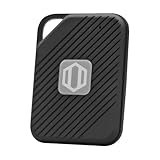
- Auto-Fill Feature: Say goodbye to the hassle of manually entering passwords! PasswordPocket automatically fills in your credentials with just a single click.
- Internet-Free Data Protection: Use Bluetooth as the communication medium with your device. Eliminating the need to access the internet and reducing the risk of unauthorized access.
- Military-Grade Encryption: Utilizes advanced encryption techniques to safeguard your sensitive information, providing you with enhanced privacy and security.
- Offline Account Management: Store up to 1,000 sets of account credentials in PasswordPocket.
- Support for Multiple Platforms: PasswordPocket works seamlessly across multiple platforms, including iOS and Android mobile phones and tablets.
Use registrar controls that slow transfers and unauthorized changes
Ask the registrar to apply its registrar lock or transfer lock. ICANN says a lock can help prevent changes to registration information and block attempts to transfer or delete a domain. Names, scope, and removal procedures differ: some providers require additional identity verification or an explicit support action. Confirm exactly what the lock blocks and how an authorized owner can remove it.
Keep registrant, administrative, billing, and emergency contact details accurate. Confirm that notices reach monitored addresses and phone numbers. Store transfer authorization (EPP) information securely and release it only for an intended transfer. Treat an unexpected password reset, MFA-enrollment notice, authorization-code request, transfer notice, or registrar-support call as a security event. Contact the registrar through a known-good website or phone number, not through a link or number in an unsolicited message.
Rank #3

- NEVER FORGET A PASSWORD AGAIN: Almost every App. has a password, it is almost impossible to remember all the password log in details. This password book is specifically designed to help you create secure passwords and store all your passwords safely in one place. You will never forget your password log-in details again with this password keeper.
- ALPHABETICAL A-Z TABS FOR QUICK ACCESS: Alphabetical tabs design allows you to store your passwords alphabetically so you can find what you want faster, no more annoying searches!
- ANONYMOUS WITHOUT ANY TITLE: On the outside, this password notebook organizer looks just like those writing journals, there is no title listed on the cover, so no one would know it's a password book. But we still recommend keeping the internet password logbook in a safe place such as a locked drawer or a shelf full of books.
- THICK NO-BLEED PAPER: This 5.2" x 7.6" password book contains 74 sheets of thick 120gsm paper that resists ink smearing, say goodbye to those cheap password books that bleed ink!
- PREMIUM QUALITY & PERFECT MEDIUM SIZE: This password journal comes with a high-quality leatherette hardcover, an elastic band, pen holder, ribbon bookmarker, and inner accordion pocket. It measures 5.2 inches wide and 7.6 inches long, which is the perfect size for your needs.
What a lock cannot do
A transfer lock does not make a compromised registrar account safe. An attacker who can authenticate may still change DNS, contact information, access permissions, or other settings that the particular lock does not cover. Read the provider’s terms rather than assuming that “locked” means every operation is blocked.
Protect DNS data without confusing DNSSEC with account security
Enable DNSSEC when the registrar, registry, and DNS provider support it, then verify that the delegation is signed correctly. DNSSEC lets validating resolvers detect DNS data that was altered in transit or does not match the authoritative signature.
Rank #4

- NEVER FORGET A PASSWORD AGAIN - Clever Fox password journal will help you create secure passwords and keep them safe and organized. This password book allows you to store all your passwords and other computer information in one place to find it easily.
- ALPHABETICAL A-Z TABS - Alphabetic tab system makes it easy to find any password you need. The book also has sections for most important passwords, wireless & email settings, software license information & additional notes.
- ELEGANT, SMART, PRACTICAL & SECURE PASSWORD ORGANIZATION - This password keeper book has been designed to be anonymous without an obvious title on the cover. For added security there is space to write hints instead of the password itself.
- POCKET SIZE & PREMIUM QUALITY - This internet address and password logbook with tabs comes in pocket size (4.0x5.5 inches). The password notebook has an eco-leahter hardcover, elastic band, pen loop, bookmark, pocket for notes, and thick 120gsm paper.
- 60-DAY MONEY-BACK GUARANTEE - We will exchange or refund your password organizer if you aren’t satisfied with your password organization for any reason. Reach out to us via message to refund your internet password logbook.
DNSSEC does not authenticate the person using the DNS dashboard. If an attacker controls the registrar or DNS account, they may make a legitimate-looking change and publish new, valid signatures. DNSSEC is therefore a data-integrity control, not a substitute for MFA, least privilege, or registrar locks. Follow the DNS provider’s setup and rollover instructions; propagation and verification steps vary.
Keep an approved configuration
Maintain an independent record of intended nameservers, DNS records, DNSSEC status, mail routing, and critical subdomains. Require an approval or ticket for production changes where feasible. This baseline lets you identify and reverse an unauthorized change quickly instead of reconstructing the correct configuration during an outage.
Quick wins for a faster PC:
Scan for outdated or missing drivers - takes under a minuteDriver Scan →Clear out junk files and repair common Windows errorsFree Scan →Fix the driver behind crashes, sound loss and screen glitchesFind Drivers →Best Value
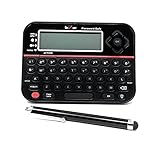
- Securely Remember All Your Passwords, Log-in's, User Names, ATM PIN Numbers and More
- Large Back-lit LCD Screen, QWERTY Keyboard - So Easy to Use
- Enter one PIN number and have access to 400 accounts. Search function included.
- Unit auto locks for 30 minutes after 5 consecutive incorrect PIN attempts
- Includes mini stylus for easier keypad entry
Limit who can administer domains
Give domain and DNS administration rights only to people who need them. Use named individual accounts rather than shared administrator credentials when the service permits. Separate ordinary and privileged roles, remove access promptly when employees or vendors leave, and review the access list on a schedule. Keep an authorized backup administrator and a documented recovery path, but avoid giving every backup account unrestricted rights.
For organizations, do not place plaintext registrar credentials in scripts, repositories, tickets, or shared documents. Use the provider’s supported delegated access or secret-management capability, and monitor privileged-account use. Critical accounts should use phishing-resistant MFA whenever supported.
Monitor changes before they become an outage
Turn on alerts and routinely review:
- Registrar and DNS-provider sign-ins, failed authentication, and new devices or sessions.
- Password resets, MFA enrollment or removal, recovery-address changes, and API-token creation.
- Nameserver, DNS-record, DNSSEC, contact, lock, billing, and transfer-status changes.
- Pending transfer notices, authorization-code requests, and support cases.
Send alerts to a monitored channel that is independent of the domain’s own mail system when possible. A mailbox routed through the compromised domain may disappear along with the website. Routine status checks can reveal a change that an alert missed.
Quick Recap
What to do if you suspect credential theft
- Contact the registrar’s security or emergency team immediately. Use independently verified contact details. State that you suspect unauthorized account access, registration changes, or DNS changes, and request an account freeze or other protective action and restoration guidance. Procedures and timelines vary by provider.
- Secure the registrar and recovery-email accounts from a trusted device. Change compromised or reused passwords, enable or re-enroll MFA only through verified recovery, and revoke suspicious sessions, API tokens, and delegated access where available. Secure the email account first if it can reset the registrar account.
- Request restoration. Ask the registrar and DNS host to restore known-good registrant information, nameservers, DNS records, DNSSEC settings, and lock status. Do not delete evidence while repairing the configuration.
- Preserve evidence. Save timestamps, login alerts, support case numbers, transfer notices, MFA changes, DNS history, and relevant screenshots or exports. Keep copies outside the affected accounts.
- Check dependent services. Verify website content, web redirects, email routing, TLS certificates, SPF/DKIM/DMARC settings, and critical subdomains. Domain control can affect both web and mail traffic and can enable malicious subdomains.
- Escalate when necessary. If an ICANN-accredited registrar does not resolve a registration, phishing, or registrar/registry problem after you report it and allow reasonable time, use ICANN’s complaint process.
Choosing MFA and registrar protection
| Control choice | Prefer or verify | Limit to understand |
|---|---|---|
| MFA | FIDO/WebAuthn; support on both registrar and recovery email; secure backup and recovery options | SMS and some push methods can be more vulnerable to phishing, SIM swaps, or push fatigue |
| Registrar lock | Which actions it blocks, removal verification, transfer and deletion coverage, alerting, and emergency support | Features and names are provider-specific; a lock does not stop every authenticated account change |
| Hardware security key | Service compatibility, enrollment of a spare key, and protected recovery codes | No single key model works universally; verify support before buying |
A practical maintenance checklist
- Use unique password-manager-generated passwords for registrar, DNS, email, and password manager accounts.
- Enable FIDO/WebAuthn or the strongest available MFA on registrar and recovery email.
- Apply and periodically verify registrar or transfer lock.
- Keep contact, billing, and emergency details current.
- Use named, least-privilege administrator accounts and remove stale access.
- Enable DNSSEC where supported and verify its delegation after changes.
- Subscribe to sign-in, transfer, DNS, lock, contact, password, and MFA alerts.
- Maintain an independent, approved DNS and registration baseline.
- Test your emergency contacts and restoration procedure before an incident.
Product prices and availability are accurate as of the date/time indicated and are subject to change. Any price and availability information displayed on Amazon at the time of purchase will apply.
Do these 3 things before closing this tab:
1Repair Windows errors before they cause bigger problems2Scan for outdated or missing drivers - takes under a minute3Clear out junk files and repair common Windows errors
