
Do these 3 things before closing this tab:
1Scan for outdated or missing drivers - takes under a minute2Clear out junk files and repair common Windows errors3Fix the driver behind crashes, sound loss and screen glitchesiTechGuides is reader-supported. When you buy through links on our site, we may earn an affiliate commission. As an Amazon Associate I earn from qualifying purchases. Learn more
Move a website from shared hosting to a VPS by copying its files and databases, recreating the services it depends on, testing the new server, and only then changing DNS. Keep the old hosting account active during the transition: visitors and mail systems may still reach it after the change, and it gives you a recovery path if a problem appears.
Before you start: map what the website depends on
A site migration is more than copying a document-root folder. Make an inventory of the website, its supporting services, and the access you have at both providers. Use it to identify anything that must be recreated manually.



- Websites and files: domains, subdomains, document roots, uploads, and any files stored outside the main site directory.
- Databases: database names, users, passwords, and which site or application uses each database.
- Runtime and configuration: PHP or other runtime versions, required extensions, rewrite rules, file permissions, and custom software.
- Scheduled work: cron jobs, background tasks, and application integrations or external APIs.
- Email: mailboxes, aliases, forwarding, routing, and any mail data that must remain available.
- Domain services: DNS records, SSL certificates, and who controls the authoritative DNS zone.
- Migration access: whether the old host offers a full backup, panel-to-panel transfer, SFTP or SSH, or only manual file and database exports.
Ask both providers which items their transfer process includes. A panel transfer can omit or alter settings, so treat the inventory as a checklist to verify rather than assuming everything will move.
Choose a VPS setup and transfer method
Decide how the VPS will be administered before moving data. Confirm its operating system, web software and runtime versions, required resources, backup arrangements, and whether you or a managed support team will handle server administration. A VPS generally gives you more control than shared hosting, but it also makes server setup and maintenance part of the plan.
#1 Best Overall
The right transfer method depends on the panels and credentials available:
| Situation | Suitable path | Key qualification |
|---|---|---|
| Both servers use cPanel/WHM and you have root access or the required sudo/su privileges | Use WHM’s Transfer Tool to copy supported cPanel accounts, packages, and configurations. | Review cPanel’s current transfer warnings and exclusions. The tool is not an account-only transfer method. |
| You have only a cPanel account, not server-level privileges | Look for the provider’s account transfer or restore option, if available, or use a provider-supported alternative. | Do not assume you can run WHM’s Transfer Tool with account credentials alone. |
| The source and destination use different panels, or no suitable transfer tool is available | Use each provider’s documented backup and restore process, or manually transfer files and export/import databases. | Service coverage and steps vary by panel and host; plan to recreate anything not included. |
cPanel’s Transfer Tool documentation, checked on July 27, 2026, is marked for versions 130 through latest. Interface labels and behavior can change, so use the current documentation for the installed version. The separate cPanel migration service has its own source and destination requirements; for that service, cPanel specifies root access on both servers, a supported operating system on the destination, and database-version prerequisites. Those requirements do not automatically apply to every VPS migration. See cPanel’s Transfer Tool documentation and cPanel’s migration service details.
Back up files and databases independently
Before transferring anything, make a recoverable copy of the website files and a separate export of each database. Store copies outside the source hosting account when possible. Confirm the files are present and the database exports can be opened or imported; an unverified archive is not a dependable rollback plan.
Use your source provider’s documented backup or export tools to create copies of the files and databases. Other providers and panels may use different backup tools. Follow the instructions for your own source and destination rather than treating any one workflow as universal.
Prepare the VPS, then transfer and restore
Set up the destination
Complete the VPS provider’s initial setup. Install or configure the chosen control panel or web stack, create the domain or account, and match the application’s required runtime versions and dependencies. Confirm you can administer the destination or have arranged help before relying on it for a live site.
If you are using WHM’s Transfer Tool, read its current warnings before starting. cPanel advises against interrupting server processes or running system updates during a transfer. Allow the transfer to finish before making unrelated server changes.
Rank #3
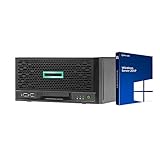
- HP MicroServer Gen10 Plus Tower Server for Business with Microsoft Windows Server 2019 OS!
- Intel Xeon E-2224 Quad-Core 3.4GHz 8MB CPU, Up To 4.6GHz Turbo
- 32GB (2 x 16GB) DDR4 PC4-21300 2666MHz Unbuffered Memory
- 16TB (4 x 4TB) 7.2K 6Gb/s SATA 3.5" HDDs in RAID
- Hard drives and memory upgrades included separately NOT installed, installation required.
Copy the site and import its database
Use the supported panel transfer when the source and destination are compatible and you have the required access. Otherwise, upload the files using the documented method and import each database into the destination. Update the application configuration to use the destination’s database name, username, password, and host settings. Recreate missing cron jobs, DNS records, mail settings, certificates, or custom software configuration from your inventory.
Do not assume that a successful account transfer means every service has been reproduced. cPanel’s migration guidance describes possible differences such as regenerated DNS zones that need custom-record review, changed package limits, mail data or settings that do not transfer, and custom server software that must be configured again. Some of these details are specific to the source panel and migration path; check the relevant source-to-destination documentation rather than applying one panel’s limitations to all migrations.
Test the VPS before changing DNS
Open the site on the destination and test the parts that matter to visitors and administrators. Use a temporary URL only if the application supports it. Domain-dependent applications may behave incorrectly under a temporary address; a local hosts-file mapping can let you test the domain against the VPS without directing public traffic there. If you edit your hosts file, restore it when testing is complete.
Rank #4
- Load representative pages and confirm database-backed content appears.
- Test sign-in, administration, forms, uploads, and other important workflows.
- Check HTTPS and the certificate, file permissions, rewrite rules, and redirects.
- Run scheduled tasks and verify external integrations that the site relies on.
- Compare email sending and receiving if email is part of the move.
cPanel specifically flags file permissions, .htaccess, and absolute links as common issues to check after migration. Its guide recommends verifying the migrated sites before changing DNS. See cPanel’s instructions for testing a site before changing DNS.
Point the domain to the new VPS
Change DNS only after the destination works. Make the required A or AAAA record changes, or change nameservers if that is the intended migration, at the provider that hosts your authoritative DNS. Your web host may not control DNS or make the change for you. Check which records affect the website and which separately route email or other services before editing the zone.
Recommended Free Tools
Plan for DNS caching
If you can edit the DNS zone ahead of cutover, cPanel recommends temporarily reducing the relevant TTL to 300 seconds to minimize downtime, then restoring it after migration. The same cPanel guide describes 3600 seconds as a standard TTL timeout. These are cPanel’s recommendations and reference values, not guarantees that every resolver will update on that schedule. The time required depends on the DNS service and caching behavior.
Best Value
After changing DNS, check that the domain resolves to the VPS address. If a lookup still returns the old address, that location may not have received the update yet. cPanel’s migration guidance recommends testing the sites first, switching DNS soon after verification, and restoring the TTL afterward. DNS update timing varies with the DNS service and caching behavior, so do not assume a fixed wait time applies to every change.
Verify the cutover and keep rollback available
Once DNS has changed, test the website and any moved email services again. When practical, check the domain from more than one resolver or location to see whether it returns the new server address. Keep the old hosting account and its data in place until the destination has been stable and you have accounted for writes made during the transition.
DNS changes do not instantly direct every visitor to the new server. Some may continue to reach the old host, and cPanel warns that this can leave new mail or database changes on the original system. If both servers receive changes, decide how to reconcile them before retiring the source. If the new site fails, you can use the still-available source and restore the previous DNS direction while you investigate.
What may need manual attention in a cPanel transfer
cPanel’s documented transfer behavior includes exceptions that matter when planning a cPanel/WHM move. Check the current list for your versions and compare the resulting destination against your inventory.
- Custom DNS zone templates are not transferred; review DNS records and recreate custom entries as needed.
- Some DNS and IPv6 cases behave differently between servers.
- If a destination database name already exists, the source database may be renamed during transfer; verify application configuration afterward.
- Two-factor authentication configuration is not transferred.
- Some calendar, contact, or task data may require manual handling for specified version combinations.
These are cPanel-specific details, not universal limitations of every hosting panel or migration method. Consult the current Transfer Tool documentation for the applicable versions.
Quick Recap
Product prices and availability are accurate as of the date/time indicated and are subject to change. Any price and availability information displayed on Amazon at the time of purchase will apply.

