
Do these 3 things before closing this tab:
1Scan for outdated or missing drivers - takes under a minute2Repair Windows errors before they cause bigger problems3Fix the driver behind crashes, sound loss and screen glitchesTo identify a woodland tree, combine several clues from the same tree—its leaves, bark, and, if available, twigs, buds, flowers, or fruit—then compare them with a guide for your region. A photo-identification app can suggest candidates, but verify its answer rather than treating it as proof.
Start with the woodland’s location and season
Location narrows the possibilities: a useful guide or app should cover trees found where you are. For example, the Woodland Trust’s free Tree ID app covers native and common non-native trees in the UK; that scope should not be assumed to apply elsewhere. Wisconsin Extension likewise points readers to keys designed for regional forest trees. Woodland Trust Tree ID app; Wisconsin Extension tree identification.


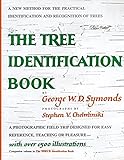

Season affects which clues you can see. In leaf, note the foliage; in winter, twigs, buds, and leaf scars can still help distinguish trees. A single leaf or bark photograph may not provide enough evidence, so look at multiple features and, where possible, more than one view of the same tree. Wisconsin Extension; University of Wisconsin–Stevens Point tree identification.
Compare several features on the same tree
- Leaves: Record their shape and how they are arranged on the twig.
- Bark: Note its visible characteristics, but do not rely on bark alone.
- Twigs and buds: These can offer useful clues when leaves have fallen.
- Flowers or fruit: Include them when present, since they add evidence for comparison.
Keep observations tied to one tree. Mixing a leaf from one tree with bark or fruit from another can lead you to compare the wrong traits.
#1 Best Overall
Use a regional guide or identification key to narrow the candidates
A dichotomous key guides you through paired choices about distinguishing traits. Regional keys and guides help keep the candidate list relevant to trees that actually occur in the woodland. A field guide is more useful when it includes scientific names, range maps, illustrations of identifying traits, keys, and a glossary. A print guide can also work offline, provided its geographic scope matches your location. Wisconsin Extension.
Choose an app based on the kind of help you need
Tree-identification apps do not all work the same way. Some provide an immediate on-screen suggestion; others accept uploaded photos or invite community input. Check regional coverage and whether the workflow suits your connectivity and privacy needs.
Rank #2
| Tool | How it helps | Coverage or connectivity detail |
|---|---|---|
| Woodland Trust Tree ID | Identifies trees using year-round features. | Designed for native and common non-native UK trees. Woodland Trust. |
| Seek | Provides an identification suggestion in real time on screen. | Can work without an internet connection; designed around private, instant observation. iNaturalist Help. |
| iNaturalist | Offers initial suggestions, with community members helping identify and confirm observations. | Uses publicly shared observations and community input. iNaturalist Help. |
| Pl@ntNet | Accepts one or more plant photos and provides proposed identifications to check. | Recommends comparing suggestions with galleries and linked resources. Pl@ntNet. |
Verify an app’s suggestion before relying on it
Use an app result as a candidate, then compare it with the tree’s other visible traits and a region-appropriate guide. Wisconsin Extension warns that apps can be wrong, particularly for understory plants, and recommends expert confirmation before important decisions. Its page states that, in 2025, accuracy for “the most popular apps” ranged from 30% to 80%, and says its colleagues had the best results with PictureThis. The page does not identify the apps tested, test conditions, or a methodology, so this is not a universal accuracy rate or a definitive app ranking. Wisconsin Extension, Forestry & Wildlife.
Seek’s instant on-screen output and iNaturalist’s community discussion are different kinds of assistance, not guarantees of correctness. If a species identification will inform an important decision, consult an expert rather than relying on an app alone. iNaturalist Help; Wisconsin Extension.
What’s actually slowing this PC down?
Pick the symptom - the matching free tool is one click away.
Quick Recap
Best Value

- Pocket Guide to Trees and Shrubs of North America
- Pocket Guide to Trees and Shrubs of North America
- National Geographic Maps
Rank #4
Rank #3
Product prices and availability are accurate as of the date/time indicated and are subject to change. Any price and availability information displayed on Amazon at the time of purchase will apply.

