
iTechGuides is reader-supported. When you buy through links on our site, we may earn an affiliate commission. As an Amazon Associate I earn from qualifying purchases. Learn more
To transfer pictures to a Seagate external hard drive, connect it, open the photos and the drive in File Explorer on Windows or Finder on Mac, then copy and paste or drag the pictures into a folder on the drive. You normally do not need Seagate software for a manual file copy. Afterward, check that the files arrived and eject the drive before unplugging it.
Copy pictures to a Seagate drive in Windows
- Connect the drive to your PC using its USB cable, and connect power if your drive model requires it. Open File Explorer and look for the drive under This PC. Seagate describes manual copying through the operating system as a supported transfer method: Seagate’s external-drive instructions.
- In File Explorer, open the folder containing the pictures. Select the files or folder you want to copy. To select several separate files, hold Ctrl while clicking each one.
- Copy the selection, open the destination folder on the Seagate drive, and paste it there. You can also drag the selection into the destination folder. Copying leaves the originals in place; use cut and paste only if you deliberately want to move them off the computer.
- Wait for the copy operation to finish. Open the destination folder and check that the expected pictures are present before disconnecting the drive.
- Use Windows’ Safely Remove Hardware or eject control and wait for the safe-to-remove confirmation. Then unplug the drive.
Copy pictures to a Seagate drive on Mac
- Connect the drive and open Finder. Check whether it appears in the Finder sidebar or on the desktop, then open it and choose or create a destination folder.
- In another Finder window, open the folder containing your pictures. Select the files or folder to transfer, then copy and paste them into the destination folder or drag them there.
- Wait until copying finishes. Open the destination folder and verify that the pictures you expected are there.
- In Finder, eject the Seagate drive and wait for its icon to disappear before unplugging it.
If the Seagate drive will not accept pictures on Mac
If the drive appears in Finder but you cannot save files to it, its format may be the issue. Seagate identifies NTFS as a common reason a drive is read-only on Mac: macOS can read NTFS but does not natively write to it. Some Seagate models include an NTFS driver, but availability depends on the model. Check the official support or download page for your exact drive before relying on a driver: Seagate’s read-only and write-protected guidance.
Do not format the drive just to try a routine copy. Formatting erases data already stored on the drive. If you are considering a format change, first copy anything important elsewhere and confirm which format suits your computers and backup needs. Seagate notes that format choice depends on how the drive will be used: Seagate’s format guidance.
Crashes, No Sound, or Screen Glitches?
Random freezes, missing sound and display glitches usually trace back to one bad driver. Find and replace yours safely.Free scan · under a minutePC Slower Than It Used to Be?
A free scan shows the junk files, broken settings and background clutter dragging Windows down - then fixes them in one click.Free scan · Windows 10 & 11Choose a format only if you need to change how the drive is used
A drive that is already mounted and writable does not need to be reformatted for copying pictures. If you are choosing a format for future use, the key question is whether the drive needs to work with both Windows and Mac or with a particular operating system’s built-in backup tool.
#1 Best Overall

- Easily store and access 2TB to content on the go with the Seagate Portable Drive, a USB external hard drive
- Designed to work with Windows or Mac computers, this external hard drive makes backup a snap just drag and drop
- To get set up, connect the portable hard drive to a computer for automatic recognition no software required
- This USB drive provides plug and play simplicity with the included 18 inch USB 3.0 cable
- The available storage capacity may vary.
| Use case | What to consider |
|---|---|
| Use the drive with both Windows and Mac | Seagate identifies exFAT as a cross-platform option. Compatibility can vary with the drive model and operating-system setup. Seagate’s manual says exFAT is not journaled, making it more susceptible to corruption if an error occurs or the drive is disconnected improperly. |
| Use a built-in backup utility | Seagate’s manual says exFAT is not compatible with, or recommended for, Windows File History or macOS Time Machine. The format needed depends on the operating system and backup workflow. |
These format trade-offs are described in Seagate’s Expansion Portable with Software manual. Because formatting erases stored data, back up the drive before changing its format.
Quick Recap
Rank #3
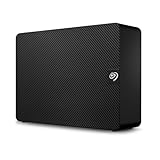
- Easy-to-use desktop hard drive—simply plug in the power adapter and USB cable
- Fast file transfers with USB 3.3
- Drag-and-drop file saving right out of the box
- Automatic recognition of Windows and Mac computers for simple setup (Reformatting required for use with Time Machine)
- Enjoy peace of mind with the included limited warranty and Rescue Data Recovery Services
Rank #2
- Easily store and access 1TB to content on the go with the Seagate Portable Drive, a USB external hard drive.Specific uses: Personal
- Designed to work with Windows or Mac computers, this external hard drive makes backup a snap just drag and drop. Reformatting may be required for Mac
- To get set up, connect the portable hard drive to a computer for automatic recognition no software required
- This USB drive provides plug and play simplicity with the included 18 inch USB 3.0 cable
- The available storage capacity may vary.
When the drive does not appear or copying fails
- The drive is missing in File Explorer or Finder: Check that the USB cable is connected securely and that the drive has any required power. Then look again in the computer’s file manager. A drive not appearing can have different causes, so these checks do not establish a single diagnosis.
- The drive appears but copying is blocked on Mac: Check whether it is NTFS-formatted; the format can allow reading while preventing native writing in macOS.
- The copy is still in progress: Wait for it to finish before ejecting the drive. Seagate warns that disconnecting without using the computer’s removal process can corrupt or damage files. Its manual explains that the computer may still need to complete file-system housekeeping: Seagate’s safe-removal instructions.
Product prices and availability are accurate as of the date/time indicated and are subject to change. Any price and availability information displayed on Amazon at the time of purchase will apply.

