
iTechGuides is reader-supported. When you buy through links on our site, we may earn an affiliate commission. As an Amazon Associate I earn from qualifying purchases. Learn more
You do not automatically need aftermarket hiking shoe inserts. Consider them if you want to change the fit, support, or cushioning of your footwear, or if your feet feel tired or sore during or after hikes. Choose by checking arch shape, insert volume, and cushioning together—and test the insert inside the actual shoe or boot before deciding.
Start with your footwear and the problem you want to solve
An insert takes up space, so a model that feels comfortable underfoot can still make a boot too tight. Before shopping, identify what you want to adjust: pressure under the arch, cushioning, heel stability, or the overall fit. The REI insole guide recommends assessing an insole underfoot and inside the footwear, with the stock insole removed.
- Look for footwear with enough depth, a removable inlay, a broad, rounded toe box, secure fastening, and a robust sole. These are features the NHS Wales insoles and footwear leaflet identifies as helpful for accommodating insoles.
- Try the insert with the socks you expect to wear hiking; sock thickness affects how much room remains.
- Check that your heel feels supported and secure, your toes have room, and the insert does not create concentrated pressure or feel unstable.
Use arch profile as a starting point—not a prescription
Insoles are sold in low, medium, and high arch profiles, but arch shape alone does not determine which one will feel right. REI notes that insole volume generally correlates with the arch profile it is designed to fit. Its guidance describes high-volume insoles as typically suited to high-volume footwear such as hiking boots and often best for high arches; medium-volume insoles are intended for average-volume shoes and a range of arch profiles.
Free tools Windows power users keep installed
One-click scans. No signup required.
If you have a low or collapsed arch, REI describes looking for support that stabilizes the heel and distributes pressure rather than forcing a prominent contour directly under the arch, which many people find uncomfortable. Treat these descriptions as selection guidance, not a diagnosis or a rule that every foot of a particular shape needs a particular insert. The right profile is one that feels supportive without creating pressure.
#1 Best Overall
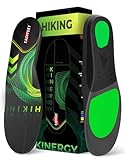
- Hiking Insoles for Men and Women: The arch is medium and cushioned, not stiff. They are soft enough for comfort over ten miles, but firm enough to keep your foot steady on rocks and roots. You will really notice the difference on long downhills
- Up to 56% Shock Absorption: When you carry a full pack, every step can feel heavier. Our shock layer takes in up to 56% of impact before it reaches your knees and lower back, so you stay comfortable all day
- Up to 47% Energy Return: The arch returns up to 47% of the energy you put into each step, rather than just absorbing it. It also helps take pressure off your knees when you walk downhill. By the end of a long day, your legs will feel the difference
- Dry Feet on Tough Climbs: A breathable cover and non-sweat layer pull heat and moisture away from your skin, keeping your boots drier on steep climbs and in warm weather. Wet feet cause blisters, and this helps prevent them
- Sized for Men and Women who Hike: Use the size chart to find your fit. Place your boots' insoles on top and trim around the front for an exact fit. These insoles are light enough for trail runners and tough enough for backpacking boots
Compare inserts by fit and feel
When comparing hiking shoe inserts, consider several features together. No cited comparison establishes that one construction is best for a particular trail surface, such as mud, rock, scree, or descents.
| What to compare | What to check |
|---|---|
| Arch profile | Low, medium, or high contour; check for comfortable support rather than assuming your foot shape dictates a specific choice. |
| Volume and thickness | Whether the insert fits after you remove the stock insole, without crowding your foot or leaving the heel inadequately supported. |
| Cushioning | Whether the amount feels comfortable in your footwear. The sources do not establish a best cushioning level for any specific trail condition. |
| Heel cup or grip | Whether the heel feels stable and the insert stays in place during an in-shoe fit check. |
| Size and trimming | Whether the insert comes in a suitable size and whether it can be trimmed to fit, if needed. Check the specific product’s instructions. |
| Moisture-related construction | Look at material and ventilation features, but do not treat manufacturer descriptions as proof of a performance outcome. |
For instance, CURREX’s HIKEPRO product page lists low, medium, and high arch profiles, trail cushioning, a deep heel cup, an anti-slip heel surface, breathable mesh, and air channels. These are manufacturer-stated features, not independent evidence that the insert prevents blisters or reduces fatigue. Superfeet’s Hike Support page specifies hiking boots and trail shoes as intended footwear; it lists a medium/high arch height, maximum thickness, and mid cushioning, and describes the model as a replacement for the removable liner in roomy to moderate-fitting outdoor footwear. Product specifications do not replace checking how an insert fits your own shoes.
Rank #2
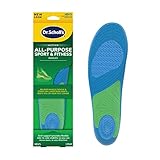
- Shoe inserts & insoles protect and reduce stress on lower body joints
- Athletic shoes insoles keep you on your feet longer
- Shoe insoles provide flexible side-to-side support so you can move more, in any direction
- Arch support insoles help protect feet, knees & lower back from shock
- Athletic insoles for men designed for multiple sports & athletic activities including fitness classes
Fit the insert in the shoe before committing
- Remove the stock insole or removable liner from the shoe or boot.
- Place the new insert inside the footwear and check that it lies flat and fits without bunching or overhanging.
- Put on your usual hiking socks and fasten the footwear as you normally would.
- Stand and walk briefly. Check toe room, heel stability, pressure under the arch, and whether the shoe feels crowded or too loose.
- If possible, compare the fit with the stock insole. Keep the insert only if the complete shoe-and-insert combination feels comfortable and secure.
Break in a new insert gradually
The NHS Wales leaflet, dated December 2023 and listing an expiry date of December 2026, recommends starting with 30–60 minutes of wear on the first day and gradually increasing use over 10–14 days. It notes that some aching may occur while adjusting, but advises stopping if new pain, worsening symptoms, blisters, or red areas from rubbing develop. Do not push through those warning signs.
Keep inserts dry and know when to replace them
Remove inserts regularly so moisture trapped between the insert and shoe can dry. REI advises hand-washing with mild detergent if needed, then air-drying the insert before putting it back in. REI gives about 12 months as general guidance for aftermarket insoles with daily or regular use, and says they may last longer with occasional seasonal use; actual life depends on the material and how often they are worn.
Quick Recap
Best Value

- CLINICALLY PROVEN ALL-DAY SUPERIOR COMFORT: Dr. Scholl’s Work All-Day Insoles for Men deliver proven comfort throughout the day, for hard-working feet. Designed for those with physically demanding jobs and active, on-your-feet lifestyles
- ELIMINATES TIRED, ACHY FEET & LEGS TO STAY ENERGIZED: Distributes foot pressure evenly to reduce fatigue and joint strain, eliminates sore muscles, and keeps you feeling more energized even during your longest work day
- MASSAGING GEL TECHNOLOGY: The only extended gel cushioning that reduces impact and shock to muscles and joints from working long hours on hard surfaces like asphalt, concrete, cement, hard dirt, and wood floors - helping reduce daily foot and leg stress
- RESPONSIVE CUSHIONING FOR ENHANCED ENERGY RETURN: Adaptive cushioning responds to movement and delivers energy back into every step, improving comfort at each key area of your foot for long-lasting support and fatigue-fighting power
- ADVANCED ODOR CONTROL FOR FRESHNESS: New Polygiene StayFresh Technology provides foot odor control and helps reduce moisture buildup to keep your feet feeling fresh. Trim-to-fit sizing allows easy customization for most work shoes and boots
Rank #4

- Trim to Fit:- Superfeet insoles are made to be trimmed to fit your shoes and boots; follow cutting instructions before use and if you're between sizes, size up and trim down to fit.
- Medium to High Arch Support:- Provides flexible support in a cushioned hiking insole made to fit well in hiking boots, trail shoes, and outdoor footwear
- Durable Arch Support:- Patented Adaptive Comfort Technology flexes with the foot for efficient heel-to-toe turnover; helps your feet feel great
- Superfeet Insoles for Odor Control:- Moisturewick top cover helps reduce odors and keeps feet fresh; keep you moving comfortably all day in the outdoors
- Formerly Known as Superfeet ADAPT Hike Max:- Hike Cushion insoles are the same great arch support insoles you love, now with a new name
Rank #3
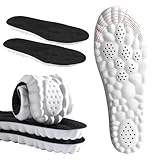
- Arch Support and Pain Relief for Foot Pain: This comfortable cushioning insole is ergonomically designed to effectively relieve foot pain such as plantar fasciitis, heel pain, plantar fasciitis, etc.
- Comfortable and Breathable: These insoles feature a honeycomb design that promotes air circulation and keeps your feet cool and dry. Advanced materials wick away moisture, dry quickly, and help prevent foot odor
- Shock Absorption and Anti-Slip: The U-shaped memory foam heel provides excellent shock absorption, reducing impact on the feet and knees, and there is a comfortable and flexible gel insert at the bottom of the insole for effective shock absorption.
- Memory Foam Comfort Insoles: These insoles are made of high-quality PU material, which is beautiful, soft and comfortable, super soft U-shaped memory foam sports insoles, suitable for both men and women, to keep your feet warm
- Suitable for all occasions: These insoles can easily fit any shoe size, including: sports; walking/running, work, etc., and a transition period is required for the first use
Product prices and availability are accurate as of the date/time indicated and are subject to change. Any price and availability information displayed on Amazon at the time of purchase will apply.

