
Quick wins for a faster PC:
Fix the driver behind crashes, sound loss and screen glitchesFind Drivers →Repair Windows errors before they cause bigger problemsFix Now →iTechGuides is reader-supported. When you buy through links on our site, we may earn an affiliate commission. As an Amazon Associate I earn from qualifying purchases. Learn more
Remote work visibility is not a matter of staying green in chat or replying instantly. It means making your work, availability, and blockers easy for teammates to understand—while protecting time to focus and disconnect. A workable routine pairs clear team agreements with regular progress updates, intentional contact, breaks, and a home setup that fits the work.
What “visible” should mean when you work remotely
Useful visibility is predictable communication and dependable collaboration. Colleagues should be able to tell what you are working on, when you expect to deliver it, and whether anything is blocking progress. That is different from broadcasting every task or treating an immediate reply as proof that you are working.
Use the channels your team already relies on. A short update can state what changed, what comes next, and whether you need a decision or help. Share the update where the people who depend on the work can find it, rather than sending duplicate status messages everywhere.
- Progress: Name the deliverable and the next milestone.
- Blockers: Describe what is stuck, what you have tried, and who or what could unblock it.
- Availability: Make focus time, meetings, and expected response windows legible to coworkers.
- Handoffs: Record decisions and next steps in a shared place so work does not depend on someone being online at the same time.
There is no evidence here that one visibility tactic guarantees career advancement. The practical aim is to make coordination easier and reduce surprises, not to perform busyness.
#1 Best Overall

- Digital Stereo Sound: Fine-tuned drivers provide enhanced digital audio for music, calls, meetings and more
- Rotating Noise Canceling Mic: Minimizes unwanted background noise for clear conversations; the rotating boom arm can be tucked out of the way when you’re not using it
- Handy In-line Controls: Simple in-line controls on the headset cable let you adjust the volume or mute calls without disruption
- Plug-and-Play USB Computer Headset: Simply plug the USB-A connector into your computer and you’re ready to talk or listen without the need to install software
- Padded Comfort: Comfortable headphones with adjustable headband features swivel-mounted, leatherette ear cushions for hours of comfort and is easy to clean
Agree on communication norms instead of guessing
Remote and hybrid teams can lose the cues that make office communication feel self-explanatory. Agree with your manager and teammates on which channel to use, how quickly different messages need a response, when meetings are appropriate, and how quiet hours work. OSHA recommends clear communication expectations, including expectations for after-hours email and quiet hours; its hybrid-work guidance also notes that some remote workers may feel isolated and less connected to their team.
Make the agreement specific enough to use. For example, a team might decide that routine questions go in a project channel and can wait until the next work period, while a genuinely urgent issue uses an agreed escalation route. The right response window depends on the job; do not imply that every team can use the same one.
- Set expected working hours and a process for schedule changes.
- Define what counts as urgent and how to reach someone when it is.
- Choose where project status, decisions, and handoffs are recorded.
- Set meeting norms, including when an update can be asynchronous.
- Agree how after-hours messages are handled and when quiet hours apply.
These norms are not only an individual responsibility. Managers shape workload, staffing, response expectations, and whether people can raise problems safely. NIOSH reports that 95% of respondents to the American Psychological Association’s 2023 Work in America Survey said it was very or somewhat important to work for an organization that respects boundaries between work and nonwork time; 92% said it was very or somewhat important that the organization support employee mental health and value emotional and psychological well-being. NIOSH discusses these figures and organizational approaches in its 2024 workplace mental-health guidance.
Rank #2

- Crystal-Clear Calls with Noise Cancelling Mic:Our bluetooth headset with microphone features advanced noise cancelling technology, filtering out 99% of background noise like keyboard clicks and office chatter. The built-in mute button lets you instantly pause calls for privacy, making this noise cancelling headset perfect for call centers, open offices, and remote work.
- Seamless Dual-Device Connection for Multi-Tasking:This wireless headset for work connects to your PC/laptop and cellphone simultaneously, allowing you to switch between Zoom meetings and business calls with one click. No more disconnecting and reconnecting—stay productive during back-to-back meetings with this computer headset with microphone.
- 30H All-Day Battery Life with Convenient Charging Base:Get up to 30 hours of continuous talk time on a single charge with this wireless bluetooth headset. The included plug-and-play charging base lets you charge the headset between meetings, so you never miss an important call. Ideal for heavy daily use, this headset with mic is always ready for work.
- All-Day Comfort for Long Work Hours:Designed with ultra-soft breathable ear cushions and an adjustable padded headband, this computer headset with microphone keeps you comfortable even after 8+ hours of video calls. The lightweight design won’t strain your head or ears, making these headsets with microphone for work perfect for remote workers and call center agents.
- Universal Compatibility with All Office Platforms:This bluetooth headset works seamlessly with Zoom, Microsoft Teams, Skype, Webex, and most video conferencing apps. It’s compatible with Windows, Mac, PC, laptops, and smartphones, so you can use it anywhere you work—at home, in the office, or on the go.
Build a weekly rhythm that protects focus and makes progress clear
A routine can replace some of the structure and incidental cues of an office. Keep it light enough to adapt to meetings and changing workloads. NIOSH’s work-from-home guidance covers focus time, boundaries between work and home, breaks, routine, and detachment at the end of the day.
- Start by setting priorities. Identify the most important deliverable and any dependency that could delay it. Share a brief plan if teammates need it to coordinate.
- Reserve focus blocks. Put concentrated work on your calendar when feasible, and tell coworkers how to contact you for urgent matters. A focus block is a coordination signal, not a promise to be unreachable in every circumstance.
- Use check-ins for decisions and coordination. Favor a concise written update when no discussion is needed; schedule a meeting when people need to resolve ambiguity or work through a decision together.
- Take breaks and move during the day. NIOSH reports that overall musculoskeletal discomfort and eyestrain were significantly reduced when twice-daily conventional rest breaks were supplemented with hourly five-minute breaks. This is a finding reported in its guidance, not a guarantee that the same schedule will work for every person or job.
- Close the workday deliberately. Record what is complete, what remains, and the next step for tomorrow. Log off or otherwise mark the transition out of work according to your team’s norms.
If a workload regularly makes breaks, focused work, or a reasonable stopping point impossible, a better personal calendar may not solve it. Raise the capacity or priority conflict with your manager and ask what should change.
Stay connected without turning every interaction into a meeting
Remote work can reduce casual contact and informal learning, but that does not mean every worker experiences isolation. Make connection intentional: use a short one-to-one or team check-in when conversation is useful, ask a colleague for a brief working session, or create low-pressure opportunities for informal contact. OSHA specifically identifies social opportunities as one way employers can address isolation.
Rank #3

- Great Noise Cancelling & Mute Function: Experience crystal-clear calls with environmental noise cancelling (ENC) technology in our wireless headset. Our noise cancelling headphones for work blocks most background distractions (loud pets/children), making it the ideal headset for noisy environments. One-touch mute button instantly silences your mic during Zoom/Teams meetings.【NOTE】 Mute function activates only during calls
- Bluetooth 5.3 & Dedicated USB Dongle: Our Bluetooth headset features low-latency transmission for music/video calls, and includes a USB-A adapter for Windows PC (non-Bluetooth compatible), making it a versatile computer headset. It works seamlessly with popular platforms like Webex, Zoom, MS Teams, etc.【NOTE】Dongle incompatible with desk phones or landlines. Remove it when the headset is not in use
- Dual Pairing & Extended Mobility: Boost productivity by connecting this work headset to your laptop and smartphone simultaneously. This wireless headset with mic for work lets you seamlessly switch between conference calls and mobile chats, while its 33ft Bluetooth range enables free movement during meetings or calls—ideal for dynamic office setups.
- 40-Hour Battery & Rapid Charge: The 600mAh rechargeable battery delivers 40hrs talk time, with a full charge in just 2 hours using the included charging stand. Perfect for remote work, hybrid office, and business travel, this office headset keeps up with your busy schedule.【NOTE】Can be used while charging, but power off is recommended for optimal safety and battery longevity.
- All-DayComfort: Our Bluetooth headset for work features an adjustable headband and memory foam earcups, engineered for long-wearing comfort with breathable protein leather ear cushions. The flexible boom mic ensures voice clarity, making it a reliable wireless headset with mic for all-day use. A dedicated MFB button supports voice assistant access (Siri/Google) for added convenience.【NOTE】MFB button controls smartphone functions only (not computer apps)
Protect focused time by giving social contact a purpose and a reasonable boundary. A colleague may need a quick conversation to share context or build rapport; a standing meeting with no clear benefit can add interruption rather than connection. Teams should make participation inclusive for people with different schedules, locations, and communication preferences.
Make the home workstation fit the task
Begin with how you work, not with a shopping list. A laptop screen, keyboard, and trackpad are attached, so changing the screen position can force an awkward reach or posture at the keyboard. NIOSH recommends that an external keyboard and pointing device can be positioned independently from a laptop display. That lets you adjust the screen and input devices to suit the work surface and your comfort.
- Arrange the screen so you can work without persistent neck strain; use a separate keyboard and mouse or other pointing device if the laptop’s built-in layout makes positioning difficult.
- Keep frequently used items within comfortable reach, and adjust your chair and work surface as well as your devices.
- Take regular breaks from sustained screen and keyboard work; vary posture where practical.
- Ask your employer about available equipment, ergonomic advice, or a stipend before purchasing furniture or accessories.
The CDC-hosted review of telework and worker health recommends sufficient technology and ergonomic support, and discusses ergonomic furnishings and professional assessment as potential supports. NIOSH’s ergonomics overview explains the broader connection between work conditions and musculoskeletal risk. If discomfort persists or you need an individualized setup, seek appropriate professional guidance rather than assuming one arrangement suits everyone.
Rank #4
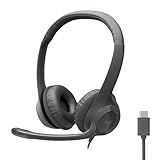
- Digital Stereo Sound: Fine-tuned drivers provide enhanced digital audio for calls, meetings, music, and more
- Rotating Noise-Canceling Mic: Minimizes unwanted background noise for clear conversations; the rotating boom arm can be tucked out of the way when not in use
- Handy Inline Controls: Simple inline controls on the headset cable let you adjust the volume or mute calls without disruption
- USB-C Plug-and-Play: Simply plug the USB-C cable into your computer, including MacBook Neo laptops, and you're ready to talk or listen without installing software.
- Padded Comfort: Comfortable USB C headphones with adjustable headband feature swivel-mounted, leatherette ear cushions for hours of comfort
What the evidence says about remote work and mental health
Remote work can offer flexibility, while also making it harder for some people to separate work from home or maintain casual connection. Neither outcome is inevitable, and evidence does not establish one universally best number of remote days.
A 2025 U.S. study by Leong and colleagues analyzed repeated cross-sectional Household Pulse Survey data collected from September 2022 through October 2023. Compared with respondents reporting no remote work, those reporting remote work 1–2 days per week and 3–4 days per week each had adjusted odds of depression risk of 0.98 (95% CI 0.96–0.99). Respondents reporting 5 or more remote days had adjusted odds of anxiety risk of 1.02 (95% CI 1.01–1.04). These are small associations, not proof that remote work prevents or causes a mental-health condition. The authors call for longitudinal research to establish the timing of these relationships and assess potential causality. The study is U.S.-specific; its abstract is available on PubMed.
Do these 3 things before closing this tab:
1Clear out junk files and repair common Windows errors2Scan for outdated or missing drivers - takes under a minute3Repair Windows errors before they cause bigger problemsWork arrangements also differ in focus, access to colleagues and informal learning, schedule autonomy, commute, home responsibilities, workstation support, and protection of nonwork time. Discuss which conditions help you do the job sustainably with your manager; treat the arrangement as something to evaluate and adjust, not as a universal prescription.
Quick Recap
Product prices and availability are accurate as of the date/time indicated and are subject to change. Any price and availability information displayed on Amazon at the time of purchase will apply.

