
What’s actually slowing this PC down?
Pick the symptom - the matching free tool is one click away.
You do not have to give up your culture to parent well in a new country. Start by learning the local rules and expectations that affect your child’s safety and school life, while keeping the language, traditions, and relationships that matter to your family. Notice how the move is affecting each family member, make room for your child’s experience of the new country, and seek support if stress is disrupting everyday life.
How do I adapt my parenting style after moving to another country?
Adapt selectively, rather than treating relocation as a reason to replace your family’s values. A move can change routines, friendships, language, access to services, and the support parents rely on. Those pressures may affect family life even when a child appears to be picking up the new language or settling into school quickly.


Begin with specific observations: changes in sleep, school participation, behavior, friendships, or communication at home. Ask what has changed and what might help before concluding that a parenting approach or cultural difference is the cause. The U.S. Child Welfare Information Gateway’s 2022 guide for immigrant and refugee families notes that children can have difficulties during relocation even as they adapt in other areas.
Which local expectations should I learn?
Find out what applies to your family in the country where you live. Ask your child’s school about its procedures and expectations, and consult local official services or qualified health professionals about child safety and family responsibilities. Community organizations that work with immigrant families may help explain how to navigate unfamiliar systems.
Quick wins for a faster PC:
Repair Windows errors before they cause bigger problemsFix Now →Fix the driver behind crashes, sound loss and screen glitchesFind Drivers →Clear out junk files and repair common Windows errorsFree Scan →#1 Best Overall
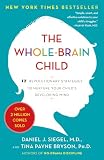
- Bantam, A nice option for a Book Lover
- Condition : Good
- Ideal for Gifting
Separate practical requirements from pressure to conform. Safety responsibilities and school procedures may require you to learn or change how you do things; a tradition that is safe and meaningful does not need to be abandoned simply because it is unfamiliar to others. The Child Welfare Information Gateway guide discusses U.S. law and services, so its legal information applies to the United States, not automatically to other destinations. For advice about obligations, consult the relevant local authority or a qualified professional.
How can I balance my culture with the culture my child is growing up in?
Make space for two experiences: the family culture children encounter at home and the culture they meet at school and with peers. The Child Welfare Information Gateway recommends open communication among family members, teaching children about their home culture and language, and listening to their experiences as they adapt.
Rank #2
Try regular, low-pressure conversations. Ask what felt easy or difficult that day, what seemed unfamiliar, and what your child wishes you understood about school or friendships. You can explain why a family practice matters to you while listening without assuming that your child’s different reaction means rejection of the family.
When a disagreement comes up, discuss the specific issue—such as a school expectation, a social activity, or a family rule—instead of treating it as a choice between cultures. Consider the child’s age and needs, safety, the importance of the tradition, and whether a change would improve communication and family life. These are practical questions, not a validated scoring system.
Recommended Free Tools
Rank #3
Why does my child seem to adapt faster than I do?
Children may encounter the new language and social norms every day at school or with peers, while parents are simultaneously adjusting to unfamiliar services, responsibilities, and a changed support network. Different rates of adjustment can lead to friction over language, behavior, dress, or expectations at home. A mismatch is a transition challenge to discuss, not proof on its own that the family is dysfunctional.
Evidence does not support assuming that a gap in cultural adaptation inevitably harms a family. A 2025 systematic review in Clinical Psychology Review included 98 records; more than half of the included studies found no association between parent-child gaps in receiving or heritage culture and child, parenting, or family outcomes. The review reported inconsistent findings overall. Its search covered relevant studies through January 15, 2025, so the finding is best read as a reason not to treat the gap itself as a diagnosis—not as proof that every family will have the same experience. Read the review’s PubMed record.
Rank #4
How can I keep speaking our home language after moving?
Use the family language in ordinary routines, share stories, and explain the meaning behind celebrations and traditions. These everyday moments help children stay connected to family members and heritage while they build a life in the new country.
Do not assume that maintaining a home language means a child cannot learn the language used at school. The Child Welfare Information Gateway’s 2022 guide reports that the U.S. Office of Head Start recommends parents who are not fluent in English use their dominant language with their children. That recommendation is specifically attributed to Head Start; it should not be presented as a universal language-development rule for every family.
Free tools Windows power users keep installed
One-click scans. No signup required.
Best Value
Where can immigrant parents find support in a new country?
Relocation can disrupt trusted relationships, make services harder to find, and create language barriers. Migration experiences can also be distressing. Seeking help is a practical response to those demands, not a parenting failure.
- Start with trusted contacts: Ask relatives, community groups, or organizations serving immigrant families about local resources and language-access options.
- Use familiar institutions: A child’s school or a health professional may be able to explain procedures or connect you with relevant services.
- Ask for support for parents too: Parents’ well-being and social connections matter alongside children’s adjustment.
- For mental-health concerns: Contact a qualified local provider rather than trying to diagnose yourself or your child from a list of symptoms.
The U.S. guide describes challenges that can arise for immigrant and refugee families in the United States; services and rules vary by country. The World Health Organization’s 2023 parenting-intervention guideline is broader context: it covers caregivers of children aged 0–17 and recommends interventions intended to reduce maltreatment and harsh parenting, enhance parent-child relationships, and prevent poor mental health among parents and emotional and behavioral problems among children. It is not a guide to the laws or services of a particular destination. Read the WHO guideline.
Quick Recap
Product prices and availability are accurate as of the date/time indicated and are subject to change. Any price and availability information displayed on Amazon at the time of purchase will apply.

