
Free tools Windows power users keep installed
One-click scans. No signup required.
iTechGuides is reader-supported. When you buy through links on our site, we may earn an affiliate commission. As an Amazon Associate I earn from qualifying purchases. Learn more
There is no single U.S. rule that answers whether a studio may use AI to copy an actor’s voice or likeness. The answer depends on what was captured or generated, the contract and any applicable SAG-AFTRA agreement, and the law in the relevant state. A synthetic performance can raise consent and payment questions even if it does not reuse the actor’s original recording or image.
What counts as an AI-generated voice or likeness?
A digital replica is a synthetic representation of a performer’s recognizable identity or performance. It may imitate a voice or appearance, generate new material in that person’s likeness, or alter a performance. The concern is not limited to replaying an existing recording or photograph: a newly generated performance may still be identifiable as the actor.
That does not mean every AI-assisted edit is legally a digital replica. Definitions differ among contracts and laws, and the circumstances matter. A voice clone, a body or face scan used to create a character, and an edit that changes a performance can raise different questions about what was captured, how it is used, and whether the performer can be identified.
What’s actually slowing this PC down?
Pick the symptom - the matching free tool is one click away.
For performers, the stakes can include control over identity and performance, the ability to negotiate consent and compensation, employment opportunities, and the use of a performer’s identity after death. The U.S. Copyright Office discussed displacement concerns in its 2024 report on digital replicas, but the sources cited here do not establish a reliable current figure for how many performers have been affected or how much income has been lost.
#1 Best Overall

- [Multi-Function Real-Time Voice Changer] Transform your voice in real time with 8 unique sound modes—male to female, female to male, cute, funny, robotic, and more. Each mode includes 10 adjustable tone levels to help you fine-tune your ideal sound. Perfect for phone calls, gaming, livestreaming, or content creation.
- [Portable Yet Powerful Sound Card] Despite its compact size, this sound card packs serious performance. Choose from 7 smart modes including Singing and Live Streaming. Customize pitch and four input/output settings. Features three pro-level tools: vocal remover (keeps background music only), noise reduction, and auto ducking. Supports two phones and one PC at the same time—ideal for cross-platform streaming.
- [Plug and Play with Broad Compatibility] Plug and play with no drivers required. Includes TRS and TRRS audio cables, plus a Type-C adapter for flexible connectivity. Compatible with phones, computers, speakers, PS4/PS5, Xbox, Switch, tablets, and more—complete accessories are included for gaming, streaming, voice chat, and karaoke.
- [Fun Voice Effects for Pranks & Roleplay] Disguise your voice while chatting or gaming and surprise your friends with unexpected sounds. Especially great for anonymous online games where you can switch characters on the fly and add more fun to your interactions.
- [Complete Accessories Included] Everything you need to get started is included. The package comes with TRS/TRRS audio cables, a Type-C adapter, mini microphone, monitoring earphones, USB-C data cable, and a portable PU storage case—no need to purchase additional accessories.
Can a studio use an actor’s voice with AI without consent?
Not every studio or production is subject to the same rule. Consent may be governed by a union agreement, an individual contract, or state law, and those protections do not automatically apply to every performer or use. For work covered by SAG-AFTRA’s TV/Theatrical agreement, the union says consent is required for each digital-replica use in most cases, subject to limited exceptions. Its guidance says voice and visual likeness are both covered by the replica definitions.
Under that agreement, a producer seeking permission for use across multiple projects must identify those projects and describe the intended use with reasonable specificity. A material change in the agreed use calls for new consent, according to SAG-AFTRA. The union also says that an employer’s ownership of materials created from the work does not, by itself, remove negotiated consent and further-payment protections in most cases. Those are statements about the covered agreement and the union’s interpretation—not a universal rule for all productions.
Rank #2

- Immersive, Clear Sound: Mini karaoke machine features unparalleled HI-FI sound quality and advanced technology to deliver powerful, balanced sound with minimal distortion; Loud enough as a singing toy
- Long Playing Time: This kids karaoke machine has a built-in rechargeable battery that provides up to 8-10 hours of playback; Whether it's a birthday party, classroom activity or outdoor adventure, this portable Bluetooth speaker and wireless microphone will keep the fun going
- Funny Voice Change and Rhythmic Lights: 5 magic sounds add some excitement to your karaoke party; Kids karaoke machine including girl's, boy's, baby's, monster's and the original sound; Sing your heart out with a funny twist
- Vibrant Lights and Versatile Functions: The Karaoke machine features dazzling and colorful lights, creating a visually captivating performance; Additionally, Karaoke machine offers a range of versatile functions, including Bluetooth connectivity, professional-grade audio effects, voice modulation, and KTV-level sound effects, providing endless entertainment possibilities
- Great Gifts Ideas for Kids: This kids karaoke machine is an ideal gift for parties, birthdays gift for girls boys, ages 4,5,6,7,8,9,10 years old; Great gifts choices for all kinds of the festival like Easter, Christmas, Valentine, Halloween, Thanksgiving, New Year
For the 2025 Commercials Contracts, SAG-AFTRA says the employer must obtain consent before creating a replica and informed consent before using it, with the intended use described with reasonable specificity. These terms are agreement-specific; they should not be assumed to govern a nonunion job or a project covered by a different contract.
What do SAG-AFTRA’s AI replica terms provide?
The union’s guidance distinguishes the creation of a replica from its later use. Whether a performer is covered by the relevant agreement is essential: the terms below describe two SAG-AFTRA contract contexts, not a general entitlement that applies to every actor.
Rank #3

- VOICE MAGIC: Transform your voice with 4 thrilling voice-changing modes – Alien, Ghost, Monster, and Robot. Plus, a standard 'Mic' mode for regular amplification. Unleash endless fun and creativity!
- CHARGE & PLAY: Say goodbye to the hassle of buying batteries! With the VoiceFX, simply plug in and recharge using the included USB cable for endless hours of fun. Make sure to fully charge the device before first use.
- VOLUME & ECHO CONTROL: Customize your sound experience! With adjustable volume and echo controls, you have the power to fine-tune your voice to perfection. Make sure to press the button on the handle while trying the different volume voice types.
- LOUD & CLEAR: Not only does it change your voice, but it also amplifies it! Perfect for playful announcements, little performances, or just being the life of the party.
- GLOW & SHOW: Speak and watch as vibrant, colorful lights light up, adding an extra layer of excitement to your voice-changing adventure.
| Covered context | Consent described by SAG-AFTRA | Compensation described by SAG-AFTRA |
|---|---|---|
| TV/Theatrical agreement | Consent for each use in most cases, with limited exceptions. Multi-project permission must identify the projects and describe use reasonably specifically; a change in use requires renewed consent. | The union says the agreement includes further-payment protections in most cases. The cited guidance does not state one universal fee amount. |
| 2025 Commercials Contracts | Consent before replica creation; informed consent before use; intended use described with reasonable specificity. | The union describes replica-generated performance as triggering 1.5 times the session fee, plus applicable holding and use fees under the covered commercials agreement. |
The 1.5-times figure is a payment term described for replica-generated performance under the covered commercials agreement; it is not a general AI rate for actors. The session fee and any applicable holding or use fees depend on the agreement and the engagement.
What should an actor check before agreeing to a digital replica?
Consent is only useful if the performer can tell what they are authorizing. Before signing or recording material for a potential replica, clarify the scope in writing and compare the proposed terms with any applicable union agreement.
Rank #4
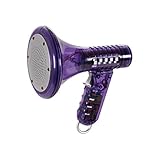
- Transform Your Voice: Keep the fun going with 8 unique voice modifiers and endless sound combinations using this voice changer toy. Adjust the side levers to control frequency and amplitude, creating hundreds of unique effects
- Amplify the Fun with Lights and Sound: Featuring a built-in voice amplifier and colorful flashing LEDs, this is a great choice for gag gifts or a girl birthday gift for kids who love interactive play
- Great Gift Idea: This fun, cool kids outdoor toy for ages 5–7 is ideal for birthday party favors or surprises, making it a fantastic kids megaphone voice changer
- Compact and Portable: Small and easy to carry, this voice changer for kids is perfect for travel or as a fun addition to any voice changing device collection or novelty gift set
- Battery Included for Instant Fun: Ready to use right out of the box with one 9-volt battery included. Featuring a retro design and simple controls, this kids toys is easy to use and provides hours of entertainment—great toys for boys 6–8
- Identify what will be captured or generated. Ask whether the production will use voice recordings, facial or body scans, motion capture, existing footage, or an altered performance—and what the resulting replica can do.
- Define permitted uses. Specify projects, media, territory, purpose, and duration. Ask whether each new project, platform, campaign, or materially changed use requires separate consent.
- Set out payment terms. Separate payment for the original session from fees for replica creation and later use. Identify applicable session, holding, and use fees, and what happens if the use expands.
- Address access and handling of source material. Ask who can access recordings, scans, models, or other source files; whether they can be shared or sublicensed; how long they will be retained; and what deletion or security commitments apply. These are important contract questions, but the sources cited here do not establish them as universal legal duties.
- Clarify future and posthumous use. Determine what happens to the replica after the contract ends and who may authorize use after the performer’s death. State law and contract terms may affect the answer.
- Confirm which rules cover the work. Check the specific union agreement, if any, the contracting parties, and the laws that may apply to the production and use.
For a consequential agreement or disputed use, an entertainment lawyer or the performer’s union representative can assess the actual contract and applicable law. This guide is general information, not individualized legal advice.
Outdated Drivers Are Slowing You Down
One free scan finds every outdated or missing driver and matches the right update for your exact hardware.Free scan · exact hardware matchPC Slower Than It Used to Be?
A free scan shows the junk files, broken settings and background clutter dragging Windows down - then fixes them in one click.Free scan · Windows 10 & 11Which U.S. laws address performers’ digital replicas?
Some protections are state-based; they should not be described as one nationwide rule. The following is a selective overview, not a survey of every state, and summaries of legislation do not replace the enacted statutory text.
Best Value

- Mic + Speaker in One – Instantly turn any space into a karaoke zone! Just connect your phone via Bluetooth and sing, rap, or hype with friends or family.
- LED Lights That React to Your Voice – Built-in ring light flashes with every note. Great for birthday parties, dorm hangs, or living room concerts.
- 22 Voice FX for Big Laughs – Robot, echo, chipmunk, stadium & more. Create hilarious moments or go full pop star—fun for all ages.
- Recharge & Go Anywhere – USB-C charging + 4+ hour battery = portable fun at sleepovers, dorm parties, road trips, or playdates.
- Stream from Any App – Compatible with Spotify, YouTube, Apple Music & more. No CDs or downloads—just play and sing what you love.
| Jurisdiction or proposal | What the cited sources describe | What that means for readers |
|---|---|---|
| California, 2024 | The governor announced laws intended to protect performers’ digital likenesses. SAG-AFTRA describes AB 2602 as limiting enforceability of some contract terms for digital replicas when the agreement lacks a reasonably specific description or the performer is not represented by counsel or a union. It describes AB 1836 as addressing replicas of deceased performers. | These are California measures, and the summaries do not provide every statutory definition, exception, or effective date. The law’s text and the facts of a particular use matter. |
| California, 2026 | A September 2026 announcement describes legislation defining a “synthetic performer” as an AI-created digital figure, voice, or representation and adding disclosure requirements for AI-generated advertising. | The announcement is a summary, not the full operative statutory text. Do not assume the same obligations apply in other states or to every use of synthetic media. |
| Tennessee | The governor described the ELVIS Act as updating Tennessee’s Protection of Personal Rights law to add voice protection against AI misuse for songwriters, performers, and music-industry professionals. | This is a Tennessee protection. Its scope and available remedies depend on the statute itself. |
| Federal: NO FAKES Act of 2025, S. 1367 | The bill was introduced on April 9, 2025 and referred to the Senate Judiciary Committee. SAG-AFTRA’s 2026 timeline describes it as pending. The proposal would establish a federal digital-replication right. | The cited record describes a proposal, not an enacted nationwide right. A proposed federal protection should not be treated as current law on that evidence. |
How is an AI replica right different from copyright?
Copyright and control over a person’s voice or likeness are related but distinct questions. Copyright asks whether a work has copyrightable human authorship and who owns or controls rights in that work. A digital-replica claim concerns use of a person’s identity or performance. A generated output could raise one question, both, or neither, depending on the facts and applicable law.
The U.S. Copyright Office treated these subjects in separate parts of its AI report: Part 1, on digital replicas, was published July 31, 2024; Part 2, on copyrightability of AI-generated outputs, followed January 29, 2025. The Office released a prepublication Part 3 on AI training in May 2025. The existence of copyright in an output does not, by itself, answer whether the use of someone’s voice or likeness was authorized.
What does the Sora 2 example show about consent?
In an October 2025 joint statement, SAG-AFTRA, OpenAI, Bryan Cranston, and representatives discussed Sora 2 generations that, during an initial invite-only release, had produced some outputs using Cranston’s voice and likeness without consent or compensation. The statement said OpenAI had strengthened safeguards and described its policy as opt-in for an individual’s voice and likeness.
Do these 3 things before closing this tab:
1Clear out junk files and repair common Windows errors2Fix the driver behind crashes, sound loss and screen glitches3Repair Windows errors before they cause bigger problemsThat account is an example of how generated content can prompt consent and compensation concerns; it does not establish that every platform has the same safeguards or that a platform’s policy cannot change. Sean Astin, SAG-AFTRA’s president, called for opt-in protocols and supported the NO FAKES Act in the statement. Those remarks express the union president’s advocacy position, not a legal finding.
Quick Recap
Product prices and availability are accurate as of the date/time indicated and are subject to change. Any price and availability information displayed on Amazon at the time of purchase will apply.

