
Recommended Free Tools
iTechGuides is reader-supported. When you buy through links on our site, we may earn an affiliate commission. As an Amazon Associate I earn from qualifying purchases. Learn more
Google launched Free The Airwaves on August 18, 2008, to urge the U.S. Federal Communications Commission (FCC) to allow unlicensed wireless broadband use of unused spectrum between broadcast television channels, known as TV “white spaces.” Google later reported that the FCC voted 5–0 to open the spectrum for public wireless broadband on November 4, 2008.
What was Google’s Free The Airwaves campaign?
Free The Airwaves was a public advocacy campaign, not a broadband service or a device. Google asked people to support a policy change that could make vacant TV-channel spectrum available for wireless internet access without requiring each user to obtain an individual license to use that spectrum.
| # | Preview | Product | Price | |
|---|---|---|---|---|
| 1 |
|
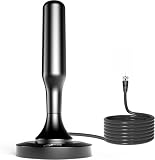
HIDB TV Antenna for Smart TV Indoor, Digital TV Antenna for Local Channels | $18.03 | Buy on Amazon |
| 2 |

|
DAANT TV Antenna Indoor Long Range | $18.99 | Buy on Amazon |
| 3 |

|
2026 TV Antenna Indoor for Smart TV, Digital Antenna for Local Channels | $69.98 | Buy on Amazon |
In its August 18, 2008 launch post, Minnie Ingersoll, a product manager on Google’s Alternative Access Team, explained that FCC authorization was needed: “For this to happen, the Federal Communications Commission must allow unlicensed use of this spectrum.” Google’s launch announcement described the campaign as an effort to bring people together around the issue.
What are TV white spaces, and why did Google want to use them?
“White spaces” in this campaign referred to unused portions of spectrum between broadcast TV channels. Google argued that allowing wireless broadband use of those frequencies could expand access to high-speed internet, including in underserved rural and Native American communities.
#1 Best Overall
- 𝗡𝗲𝘃𝗲𝗿 𝗣𝗮𝘆 𝗠𝗼𝗻𝘁𝗵𝗹𝘆 𝗕𝗶𝗹𝗹: Watching local channels with this HD digital tv antenna for smart tv indoor 4K, you can watch crystal HDTV channels without cable service and enjoy local tv channels.
- 𝗜𝗻𝗱𝘂𝘀𝘁𝗿𝘆 𝗟𝗲𝗮𝗱𝗶𝗻𝗴 𝗧𝗲𝗰𝗵𝗻𝗼𝗹𝗼𝗴𝘆: This digital indoor tv antenna for local channels is made of eco-friendly flame-retardant dual PC soft material (not ordinary PVC), providing moisture resistance and lightning protection for indoor use.
- 𝗢𝗺𝗶𝗻𝗶-𝗱𝗶𝗿𝗲𝗰𝘁𝗶𝗼𝗻𝗮𝗹 𝗥𝗲𝗰𝗲𝗽𝘁𝗶𝗼𝗻 & 𝗠𝗮𝗴𝗻𝗲𝘁𝗶𝗰 𝗕𝗮𝘀𝗲: The indoor HDTV antenna brings omini-directional Reception; Whether hd digital tv antenna indoor is installed on the TV stand or on the table, you can receive the crystal clear picture
- 𝗖𝗼𝗺𝗽𝗮𝗰𝘁 𝗮𝗻𝗱 𝘀𝗺𝗮𝗹𝗹 𝗗𝗲𝘀𝗶𝗴𝗻: The indoor antenna for tv without cable features a compact and slim design, making it easy to hide without taking up space. The lightweight build allows you to move it conveniently and adapt to different living environments effortlessly.
- 𝗡𝗼𝘁𝗲 𝗮𝗻𝗱 𝗖𝘂𝘀𝘁𝗼𝗺𝗲𝗿 𝗦𝗲𝗿𝘃𝗶𝗰𝗲 : Read the manual first, set up your TV properly, and scan for channels. 𝐅𝐨𝐫 𝐨𝐩𝐭𝐢𝐦𝐚𝐥 𝐫𝐞𝐜𝐞𝐩𝐭𝐢𝐨𝐧, 𝐭𝐞𝐬𝐭 𝐛𝐨𝐭𝐡 𝐯𝐞𝐫𝐭𝐢𝐜𝐚𝐥 𝐚𝐧𝐝 𝐡𝐨𝐫𝐢𝐳𝐨𝐧𝐭𝐚𝐥 𝐩𝐥𝐚𝐜𝐞𝐦𝐞𝐧𝐭. Mount the antenna high, near a window facing local broadcast towers (Check "dtv gov maps" for available channels), to avoid obstacles and interference. Actual Reception depends on location, terrain, and weather, always re-scan for channels after moving the antenna. If you have any issues, please contact us. We will provide professional service and a satisfactory solution for you.
The campaign featured testimonials from Matthew Rantanen of Tribal Digital Village and Wally Bowen of the Mountain Area Information Network about potential benefits for their communities. Those stories illustrated the campaign’s hopes; they do not establish that the campaign itself delivered broadband service.
Use of vacant channels also raised an interference concern: rules had to protect broadcast television and wireless microphones. Google’s October 2008 posts addressed interference protection as part of the policy debate. The question was therefore not simply whether unused frequencies existed, but whether unlicensed devices could use them under safeguards that protected existing users.
How did people take part?
Google encouraged several forms of public advocacy:
Rank #2
- Enjoy More Tv antenna for Local Channels: Get more channels by antenna for smart TV, receive local broadcasting, ABC, CBS, NBC, CPS, FOX, CW, ION, UMAS, etc.
- HD Antenna for TV: Our digital TV antenna indoor adopts an upgraded Smart IC Chip, receives TV broadcasts including 4K, UHD and 1080 HDTV for the hd picture.
- 16FT Coax Cable: Coaxial cable is composed of a solid center conductor, dielectric insulation, three aluminum shielding layers, and a durable outer layer. so that you will never lose signal or suffer distortion even in bad weather.
- Compatibility and Usage Tips: Not suitable for older analog televisions; supports smart TVs and digital TVs. For optimal signal reception, try placing the antenna near a window or in other locations, and test both vertical and horizontal orientations.
- Easy to Install: Plug the coaxial cable from your digital indoor HDTV antenna into the ANT/IN connector on the back of your TV, point the TV antenna toward your local TV tower and scan for channels. (Check "dtv gov maps" for available channels).
- Sign a petition addressed to the FCC.
- Film or share video responses about the potential value of white-space broadband.
- Contact elected officials and Congress.
- Spread the campaign’s message and write about the issue.
Google’s Public Policy Blog reported more than 13,000 petition signers on September 2, 2008, and said the comments were being filed with the FCC. This was Google’s own dated count, not an independently audited total. Google’s September campaign update listed additional ways people could participate.
What was Google’s business interest?
Google acknowledged that opening the spectrum could bring more people onto the internet, which would benefit Google and its industry peers. The company also said it believed consumers would benefit. That was Google’s stated rationale, not an independent finding that the policy would necessarily produce those outcomes. The launch post disclosed this commercial stake alongside the consumer-benefit argument.
Independent reader supportYour contribution helps us test, update, and keep practical guides available for everyone.What happened after the campaign launched?
On November 4, 2008, Google reported that the FCC had voted 5–0 to open white-space spectrum for public wireless broadband. Larry Page, identified in the post as Google’s co-founder and president of products, described the decision as approval to open unused airwaves between broadcast TV channels for wireless broadband service.
Rank #3
- The TIJOORT Indoor TV antenna gives you free access to popular local channels like ABC, CBS, NBC, Fox, PBS, and more—all in crisp 1080p HD. Enjoy endless news, sports, and family shows with no monthly subscription. Check "dtv gov maps" for a complete list of channels in your area
- Premium materials deliver flawless performance in rain, snow, or extreme heat—so you can count on it outdoors. The modern, compact design also hides easily indoors: stick it on a window or slip it behind your TV unit
- 20FT cord gives you the freedom to position this TV antenna for local channels on a window, wall, balcony, or rooftop—exactly where reception works best. Setup is a breeze: connect to your TV's "Cable/Ant In" port, scan for channels, and you're watching in minutes
- Customer service is available around the clock to answer your questions, share expert setup advice, and make sure you receive the sharp, reliable signal you're entitled to with your Smart TV antenna experience
Google also said more than 20,000 people had taken part in Free The Airwaves. Both the participation total and the account of the vote and its outcome are from Google’s November 2008 post; the cited post does not independently audit the count or evaluate the policy’s later real-world effects. Google’s November 4 announcement records the company’s account of the vote.
What the 2008 record does—and does not—establish
- Established: Google launched the campaign on August 18, 2008, advocating unlicensed use of vacant TV-channel spectrum for wireless broadband.
- Established as Google’s report: The company said the FCC voted 5–0 on November 4, 2008, and reported more than 20,000 campaign participants.
- Not established by these sources: Whether the campaign website remains active, what current FCC rules require, or how widely the policy produced broadband service in practice.
Free The Airwaves is best understood as a historical technology-policy campaign: Google mobilized public support for a spectrum-access proposal, disclosed its own interest in growing internet use, and later credited an FCC vote with achieving the campaign’s central regulatory goal.
Quick Recap
Product prices and availability are accurate as of the date/time indicated and are subject to change. Any price and availability information displayed on Amazon at the time of purchase will apply.

