
What’s actually slowing this PC down?
Pick the symptom - the matching free tool is one click away.
iTechGuides is reader-supported. When you buy through links on our site, we may earn an affiliate commission. As an Amazon Associate I earn from qualifying purchases. Learn more
Google dorking is the use of precise Google Search queries—often with search operators—to narrow results and locate specific public information. For everyday research, it can help you find a phrase, search one website, or surface a particular file type. In security work, the same techniques can help an organization check what Google has indexed about its own systems. That defensive use should stay within systems you own or are explicitly authorized to assess; visibility in Search is not permission to access or use sensitive material.
What is Google dorking?
“Google dorking” describes targeted searching with query terms and operators. It is also called Google hacking in some security contexts, where the goal may be to identify publicly indexed information an organization did not intend to expose. The underlying technique is still a Google search; the purpose and handling of what turns up are what distinguish ordinary research from security review.

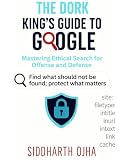


Google’s documented operators can make a query more specific, but they do not guarantee a complete inventory of web pages or files. They narrow the results Google returns for that query and search context.
How do I use Google search operators?
Type the operator directly into the Google search box, followed by its value. Google’s guidance is explicit: “Do not put spaces between the operator and your search term.” For example, use site:nytimes.com, not site: nytimes.com.
| What you want to do | Syntax | Example |
|---|---|---|
| Find an exact word or phrase | Put the phrase in quotation marks | "climate adaptation" |
| Limit results to a site or domain | site: followed immediately by the domain |
site:nytimes.com climate |
| Exclude a term | Put a minus sign directly before the term | jaguar -car |
| Find documents updated after a date | after: followed by a year or date |
renewable energy after:2024 |
| Find documents updated before a date | before: followed by a year or date |
renewable energy before:2024 |
| Limit results to a file type | filetype: followed by the type |
filetype:pdf urban planning |
These are documented ways to refine a search, not guarantees that every matching item will appear. For Google’s examples and operator guidance, see Refine your search on Google.
Combine operators to narrow a query
You can combine operators when each adds a useful constraint. For instance, site:example.com filetype:pdf "annual report" asks Google for PDF results from that domain containing the quoted phrase. If the results are too narrow, remove one constraint at a time; if they are too broad, add a relevant phrase or exclusion. Treat the result list as a starting point for inspection, not proof that it is exhaustive.
How do I search a specific website on Google?
Put site: directly before the domain, then add the terms you want to find. For example, site:nytimes.com electric vehicles restricts the search to results Google associates with that site. Do not insert a space between site: and the domain. Google documents this syntax in its search operator guidance.
A site restriction limits the search; it does not establish that Google has indexed every page on that site. If a query returns nothing, try broader terms or remove other operators before concluding that no relevant page is available.
How do I find PDF files with Google?
Add filetype:pdf to the topic you are researching. For example, filetype:pdf coastal erosion asks for PDF results about coastal erosion. You can combine it with a domain restriction, such as site:example.com filetype:pdf safety report, to focus on a particular website.
Google’s Advanced Search interface also includes a file-type filter, though the fields and filters available can vary by page and result type. Its Advanced Search instructions describe the available fields and note that Advanced Search is not offered for every result type.
When should I use Advanced Search instead of operators?
Use typed operators when you know the constraint you want and can express it quickly in the query. Advanced Search is useful when you prefer form fields for terms to include or remove, or when you want to set filters without remembering their syntax. Google lists options such as language, region, last update, site or domain, terms appearing, SafeSearch, and file type. The available fields can differ across Advanced Search pages, and the interface is not available for every result type.
PC Slower Than It Used to Be?
A free scan shows the junk files, broken settings and background clutter dragging Windows down - then fixes them in one click.Free scan · Windows 10 & 11Crashes, No Sound, or Screen Glitches?
Random freezes, missing sound and display glitches usually trace back to one bad driver. Find and replace yours safely.Free scan · under a minuteGoogle’s guide to result filters notes that available tools depend on the query and result type and may vary by browser. Filters are dynamic, so a control you see for one search may not appear for another.
Best Value

- Used Book in Good Condition
Why can Google dorking miss results or show different ones?
Google results can vary with time, location, language, device, recent searches, and personalization. The search tools and filters presented can also depend on the query and type of result. As a result, a query narrows what Google returns under the conditions at that moment; it cannot establish that the result set is exhaustive or that an unreturned page or file is absent from the web.
Google explains result differences in Why your Google Search results differ from others and provides broader context in Google Search consumer information. To refine a search, inspect the results, adjust or remove one constraint, and search again. Avoid treating a single query as a definitive check.
Independent reader supportYour contribution helps us test, update, and keep practical guides available for everyone.How should organizations use Google dorking defensively?
For an organization’s own exposure review, define the authorized scope before searching: use only domains and systems you own or have explicit permission to assess. The purpose is to identify potentially unintended public visibility, not to probe unrelated systems or handle sensitive material without authorization.
Quick wins for a faster PC:
Clear out junk files and repair common Windows errorsFree Scan →Fix the driver behind crashes, sound loss and screen glitchesFind Drivers →- Set the scope. Identify the organization’s authorized domains and the people responsible for reviewing possible findings.
- Use targeted queries. Apply documented operators such as
site:andfiletype:to public search results within that scope. - Assess results cautiously. A search listing may suggest exposure, but it does not by itself verify what the material contains or whether it is current. Do not open, download, test, or redistribute material you are not authorized to handle.
- Record and report responsibly. If a result appears sensitive, document the query and date and notify the responsible site owner through an appropriate channel. Avoid publishing the finding or its contents.
This is responsible security practice, not a jurisdiction-specific legal determination. The legal status of particular searches or handling of exposed material depends on circumstances and location.
For background, Elsevier lists Google Hacking for Penetration Testers, Third Edition by Bill Gardner, Johnny Long, and Justin Brown, published in 2015. The publisher describes its use for security professionals and system administrators seeking to identify sensitive information and self-police their organizations. Because it is an older edition, it is background reading rather than evidence of Google’s current operator behavior. See the Elsevier book listing.
Quick Recap
General research and authorized security review are different uses
| Aspect | General research | Authorized security review |
|---|---|---|
| Purpose | Locate useful public information | Check an organization’s public search exposure |
| Scope | A topic, phrase, file type, or selected site | Domains and systems the reviewer owns or has explicit permission to assess |
| Handling | Read relevant public results | Handle suspected sensitive findings carefully; do not access or redistribute material without authorization |
| Success looks like | Relevant results that answer the research question | A finding that is verified and responsibly reported |
Product prices and availability are accurate as of the date/time indicated and are subject to change. Any price and availability information displayed on Amazon at the time of purchase will apply.

