
iTechGuides is reader-supported. When you buy through links on our site, we may earn an affiliate commission. As an Amazon Associate I earn from qualifying purchases. Learn more
Apple TV+’s Foundation keeps Isaac Asimov’s central premise—the mathematician Hari Seldon predicts the Empire’s fall and launches a Foundation project to preserve civilization—but it is not a word-for-word adaptation. The series turns loosely connected stories into serialized drama, invents the cloned Cleon dynasty as a recurring imperial thread, and combines some characters and story functions.
How different is the Foundation TV show from the books?
The show is best understood as an adaptation that preserves Asimov’s broad ideas while reshaping their delivery. Showrunner David S. Goyer has rejected the description “almost new,” pointing to book material and characters including Hari, Demerzel, Hober Mallow, Toran, and Bayta. He also stresses that the series is not word-for-word.


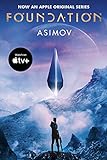
The distinction matters because the original trilogy and a modern serialized television series have different storytelling needs. Goyer says the first book was assembled from loosely connected short stories, and buyers would not support an anthology approach. The series therefore builds continuity and recurring characters across its large time jumps instead of simply presenting the source stories as separate episodes.
Crashes, No Sound, or Screen Glitches?
Random freezes, missing sound and display glitches usually trace back to one bad driver. Find and replace yours safely.Free scan · under a minuteWindows Errors? Fix Them Before They Spread
Repair common Windows errors and clear accumulated junk for a smoother, more stable PC - no reinstall needed.Free scan · no reinstallWhat did the series change about the story structure?
From linked stories to a continuous drama
In Goyer’s account, the early stories do not work like one continuous novel: Hari appears in one story and later returns through recordings. Television, by contrast, benefits from characters and conflicts that viewers can follow over time. The series connects events across centuries and develops material that the books leave off-screen or sketch only briefly.
#1 Best Overall
Abstract ideas become visible events
Psychohistory, historical forces, and the long decline of an empire are difficult to dramatize directly. Goyer describes the adaptation task as expanding hints and filling in story gaps so abstract concepts can become character decisions and onscreen events. That means the show adds dramatized action and connective material; those additions should not be mistaken for a scene-by-scene account of the novels.
Is the cloned emperor dynasty in Asimov’s books?
The recurring line of cloned Cleon emperors is a major screen invention, not the way the Empire is presented in the source books. Goyer describes the book Empire as largely faceless. For the series, the creative team wanted recognizable imperial figures who could recur across time jumps, and the clones also embody a regime determined to resist change. Skydance’s official series description likewise identifies the Cleons as a long line of emperor clones.
Goyer has said the resemblance between “Cleon” and “clone” was accidental, but the team treated it as a promising coincidence. The dynasty gives the television story a sustained imperial viewpoint while reinforcing its theme of political and institutional stagnation.
What’s actually slowing this PC down?
Pick the symptom - the matching free tool is one click away.
Does the show combine characters from the books?
Yes. Goyer has described specific characters as composites rather than one-to-one transfers from the novels:
- Gaal Dornick combines aspects of Gaal with Wanda Seldon, in Goyer’s description.
- Hober Mallow combines aspects of Hober Mallow and Lathan Devers.
These examples illustrate the series’ broader adaptation method: it can consolidate roles or story functions to build a more continuous television narrative. They do not establish that every character has been merged or substantially changed.
What remains the same between the books and the series?
The central setup remains recognizable. Hari Seldon uses psychohistory to foresee the Empire’s collapse, and the Foundation project is tied to preserving or rebuilding civilization. Both Apple’s and Skydance’s official descriptions foreground that premise. The series changes the structure and the route through the story, but it retains this core conflict.
Rank #3
Should you read the Foundation books before watching?
No prior reading is required to follow the series’ central premise. Read the books if you want to see how Asimov originally handled the ideas, characters, and story structure; they are not a script the show follows scene by scene. The original trilogy is the natural starting point for a direct comparison, but editions and collected sets can differ, so check a specific listing’s contents before buying.
Do these 3 things before closing this tab:
1Fix the driver behind crashes, sound loss and screen glitches2Repair Windows errors before they cause bigger problems3Scan for outdated or missing drivers - takes under a minuteWhat this comparison does—and does not—cover
The changes described here are grounded in Goyer’s public comments and the official series descriptions, not a chapter-by-chapter audit of every Foundation novel. The examples establish key adaptation choices—the serialized structure, cloned Cleons, and the two stated character composites—but do not account for every show-only plot development or every difference across the wider book series.
Sources: David S. Goyer’s Ask Goyer: Foundation Q&A (August 6, 2025); Skydance Media’s Foundation Season 1 page; Apple TV Press’s Foundation announcement; TV Guide interview with David S. Goyer (2023); David S. Goyer’s Foundation essay (January 25, 2022).
Quick Recap
Product prices and availability are accurate as of the date/time indicated and are subject to change. Any price and availability information displayed on Amazon at the time of purchase will apply.

