
iTechGuides is reader-supported. When you buy through links on our site, we may earn an affiliate commission. As an Amazon Associate I earn from qualifying purchases. Learn more
Children and teens should avoid energy drinks, according to pediatric guidance summarized by the CDC. These drinks can deliver substantial caffeine, sometimes alongside other stimulants, and may affect sleep, mood, heart rate and blood pressure. A serious reaction is possible, but it is not what happens to every child who has a drink. Families can reduce risk by checking serving sizes, counting caffeine from all sources and making water the default for hydration.
Are energy drinks safe for kids?
Pediatric guidance advises children and teens not to consume energy drinks. The CDC summarizes American Academy of Pediatrics advice that adolescents should avoid energy drinks and consume no more than 100 mg of caffeine per day. Younger children are discouraged from consuming caffeine.
That 100 mg figure is a general daily limit cited for adolescents, not an endorsement of energy drinks or a personalized safety threshold. It also applies to caffeine from all sources, not just energy drinks. A child’s health, sensitivity to caffeine and other factors can affect how they respond.
The Tool Desk
Outbyte Driver Updater FREEFix the driver behind crashes, sound loss and screen glitchesFind Drivers →Outbyte PC Repair FREERepair Windows errors before they cause bigger problemsFix Now →Energy drinks may contain caffeine and other stimulants. Possible effects include a faster heart rate, raised blood pressure, anxiety or agitation, trouble sleeping and dehydration. CDC also lists irregular heartbeat and heart failure among potential heart complications. These are possible harms, not outcomes to expect from every exposure; severe outcomes are rare, but can occur.
#1 Best Overall
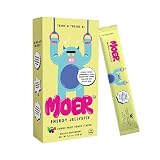
- CAFFEINE-FREE ENERGY SUPPORT: Vitamin B-Complex helps support energy metabolism so kids feel ready for games, practices, and busy training weeks - without a caffeine crash
- FOCUS AND PERFORMANCE READINESS: Targeted nutrients and antioxidant support to help young athletes stay sharp and consistent through intense practices and back-to-back games
- CLEAN PARENT-APPROVED INGREDIENTS: Gluten-free and free from caffeine, the 9 major allergens, artificial colors, artificial flavors, artificial sweeteners, and bioengineered ingredients - made for everyday routines
- GRAB-AND-GO JELLY STICK FORMAT: No mixing, no mess. Toss in a sports bag for school, travel, or halftime. Kids love the fun chewable stick format - chew completely before swallowing
- CREATED BY FOOD SCIENTIST MOMS: Designed specifically for active kids ages 8 and up who train hard and need clean, functional support that fits real life
How much caffeine is too much for a teen?
There is no universally safe caffeine dose established for every child. For adolescents, the CDC’s summary of AAP advice sets a general ceiling of 100 mg per day and says they should not consume energy drinks. Younger children are discouraged from caffeine. A teen’s total matters: coffee, tea, soda and other caffeinated products all contribute.
The AP report describes energy drinks as ranging from 80 to 300 mg of caffeine per serving, while an 8-ounce coffee typically has about 80 to 100 mg. Those are reported ranges, not fixed specifications for every product. Check the package: caffeine content varies by brand, container and serving, and a container may hold more than one labeled serving.
Rank #2

- Six (6) 8 fl oz cans of V8 Energy Strawberry Banana Energy Drink
- A strawberry banana flavored energy drink with no added sugar* (*Not a low calorie food; see nutrition panel for sugar and calorie content)
- Supports focus and Steady Energy; contains 80 milligrams of caffeine – comparable to a cup of coffee
- A refreshing beverage with 50 calories and 12 grams of carbs per can; an excellent source of B Vitamins
- Contains 1 combined serving of veggies and fruits. Non-GMO, and gluten free.
For perspective, the AP reported that in Monitoring the Future survey results available to its October 3, 2026 article, daily energy-drink consumption was reported by 23% of 12th graders, 20% of 10th graders and 18% of 8th graders. These figures describe reported daily use in those grades; they do not establish how much caffeine each student consumed or what effects they experienced.
Do these 3 things before closing this tab:
1Scan for outdated or missing drivers - takes under a minute2Repair Windows errors before they cause bigger problems3Fix the driver behind crashes, sound loss and screen glitchesWhat can happen after a child drinks one?
Effects vary with the product, amount consumed, the child and any other caffeine taken that day. Stimulants can raise heart rate, blood pressure and breathing rate; possible reactions include feeling anxious or agitated, insomnia and dehydration. Some children may be more vulnerable: a pediatrician quoted by the AP noted particular concern for children with preexisting conditions such as high blood pressure.
Rank #3

- MADE WITH REAL FRUIT & ELECTROLYTES – Strawberry, blueberry, pineapple, orange, and apple purees blended with blackcurrant and lemon juice concentrate—plus added electrolytes and antioxidants like Vitamins A, C & E
- NO ARTIFICIAL INGREDIENTS – No added sugar, colors, flavors, or preservatives, Non-GMO Project Verified and BPA-free packaging
- REPLENISHES & RECHARGES – Designed for movement, energy, and fun—whether you're on the field or on the trail. Helps restore essential minerals lost through sweat with added electrolytes and antioxidants
- NO REFRIGERATION NEEDED – Kitchen pantry safe and shelf-stable until opened—no chilling required
- EASY ON-THE-GO FUEL – Perfect for sports practice, hikes, road trips, or any active adventure—just toss in your gym bag or backpack
Reports of serious outcomes deserve attention without implying that they are typical. The AP reported that deaths associated with energy drinks are rare. It described the 2017 death of Davis Cripe, who had also consumed a Mountain Dew and a McDonald’s latte earlier that day before developing an arrhythmia after an energy drink. The coroner said he had no prior heart condition. This reported case illustrates why total caffeine exposure matters; it does not show that ordinary consumption commonly causes death or predict what will happen to an individual child.
Two other indicators describe different kinds of events and should not be treated as equivalent measures of risk. An American Academy of Pediatrics parent guide by Mark Corkins, MD, FAAP, published around 2025, reported that caffeine-related emergency-department visits nearly doubled among middle and high school students between 2017 and 2023. The same guide reported a 24% rise in poison-control calls about young people with energy-drink reactions in 2023. Emergency visits and poison-control calls have different populations and outcomes; neither figure means that serious injury is likely for every child who drinks one.
Rank #4

- ENERGY TO GO - 4C's Premium Energy Rush Electrolyte Stix are perfect for those that are always on the move. Ideal for traveling, keeping one in the purse/backpack, one on the desk, or one in your car. Never go bland with your water again and keep the energy levels up
- PERFECT PICK ME UP - Whether you're headed to the gym, waking up early, traveling or fighting off that 2:30pm slump, 4C's Energy Rush Stix with Electrolytes are the quick and easy option to gain some energy and hydration while drinking deliciously flavored water
- DELICIOUS FLAVORS - 4C has mastered each and every flavor! With an assortment of premium berries, sun packed citrus, and other delicious fruit sweetness, 4C has all the flavors you're looking for
- VALUE & CONVENIENT - These 40ct packets are perfect for trying out 4C's Energy Rush Flavors. If you love them, search for our bulk offerings of 350ct-500ct packet bundles
- EXPERTS IN ENHANCERS - 4C have been experts in quality foods and water flavorings, dating back to 1935! As a family owned business, we take pride in the premium quality offerings we create and share with the world
Are sports drinks the same as energy drinks?
No. Energy drinks are stimulant products that contain caffeine and may contain other stimulants. Sports drinks are formulated to replace water and electrolytes lost through sweating and activity. They are not interchangeable, and an energy drink is not a hydration drink or a sports-performance solution.
Recommended Free Tools
For most children during ordinary activity, water is the appropriate hydration choice. Sports drinks have a limited role during prolonged, vigorous exercise, when replacing fluid and electrolytes may be useful. The AAP clinical report often cited for this distinction was published in 2011 and retired in July 2021, so it is historical context rather than current standalone guidance.
Best Value

- CHOCOLATE MILK’S COOLER COUSIN: This chocolate flavored organic dairy protein shake gives a smooth, creamy experience; made with alkalized cocoa and organic cane sugar, perfect for picky eaters
- PREMIUM NUTRITION FOR KIDS AGES 4-10: These 180-calorie Orgain protein shakes deliver 8g of grass-fed protein and all 9 essential amino acids, a good source of fiber (3g), and 22 vitamins & minerals including immune-supporting vitamin C, D B12, and zinc
- 25% LESS SUGAR: Our kids shakes contain 25% less sugar vs leading kids protein nutritional shakes*
- SHELF-STABLE CONVENIENCE FOR BUSY FAMILIES: No refrigeration required before opening—Orgain protein shakes are perfect for pantry stocking, lunch boxes and travel; Additional storage options include the fridge or freezer
- CLEANER INGREDIENTS FROM ORGAIN: USDA Organic, Non-GMO, Gluten-free, Kosher certified shakes contains organic grass-fed milk whey protein and an organic fruit & veggie powder including apple fiber, acai, beet, kale, raspberry and spinach
What should I do if my child drinks an energy drink?
- Check the label. Note the caffeine amount per serving, the number of servings in the container and how much your child drank. Do not assume the front-of-package amount describes the whole container.
- Count other caffeine that day. Ask about coffee, tea, soda and other caffeinated products. The amount in an energy drink alone does not describe total exposure.
- Ask about how your child feels. If you have concerns about symptoms, the amount consumed or a health condition, contact your child’s pediatrician for advice. The available guidance does not set an individualized treatment threshold or provide a complete symptom-triage protocol.
- Seek urgent help when the situation seems serious. For a medical emergency, contact emergency services. Do not wait for an online article to determine whether an individual child needs urgent assessment.
For ongoing questions, discuss your child’s beverage habits and health history with their pediatrician. That is especially useful when the child has a health condition or you are unsure how caffeine from multiple products adds up.
How can families, schools and coaches help?
- Make labels part of the conversation. Show children how serving size and caffeine per serving can differ from the amount in the entire container.
- Offer water and make it convenient. Keep water accessible at home, school and practice so children do not mistake an energy drink for hydration.
- Explain the sports-drink distinction. Young athletes should know that energy drinks are not sports drinks and are not a substitute for water.
- Talk about advertising. The AP report quoted Idaho cardiologist Matthew Nelson saying that children see energy drinks promoted by universities and athletes they admire. Discussing marketing can help families separate an endorsement or image from health guidance.
- Keep the message proportionate. The reason to avoid these drinks is their stimulant exposure and potential effects, not a claim that one sip inevitably causes harm.
The AP report says the American Beverage Association states that its members voluntarily disclose caffeine totals on labels, carry advisories against use by children, and do not sell or market energy drinks in K–12 schools. Those are industry statements, not independent verification of every product or setting.
Quick Recap
Product prices and availability are accurate as of the date/time indicated and are subject to change. Any price and availability information displayed on Amazon at the time of purchase will apply.

