
iTechGuides is reader-supported. When you buy through links on our site, we may earn an affiliate commission. As an Amazon Associate I earn from qualifying purchases. Learn more
A business proposal is a client-facing offer that explains a prospective client’s need, the work you recommend, the value it should deliver, the price and terms, and how the client can accept. To write one, tailor each section to a specific buyer and decision, make the scope and costs concrete, and support your claims with relevant evidence. Use the buyer’s instructions first if you are responding to a formal request for proposal (RFP).
What a business proposal is—and what it is not
A business proposal is a decision document for a prospective client. It presents a project, service, or partnership and gives the client enough information to assess the offer. It is different from a business plan, which describes a company’s market, operations, and financial outlook. The U.S. Small Business Administration’s business-planning guidance focuses on planning a business, while a proposal makes a case for work with a particular buyer.


The outline should fit the offer. A project proposal typically needs clear scope, deliverables, schedule, and budget. A sales proposal emphasizes fit and benefits; a partnership proposal explains mutual benefits and responsibilities. For an RFP response, follow the buyer’s required format, questions, deadlines, and evaluation criteria rather than forcing a generic outline. An unsolicited offer has no such brief, so it must establish why the recipient should care and how the proposed work addresses a relevant need.
What should a business proposal include?
There is no single required section order or universal ideal length. Include what the reader needs to understand the problem, evaluate the offer and investment, and make a decision. A useful flexible outline is:
#1 Best Overall
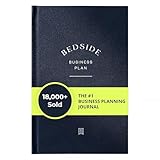
- TURN IDEAS INTO REALITY – Feeling stuck with your idea and not sure where to start? This guided journal helps you write a complete business plan so you can gain clarity and move forward with confidence as an entrepreneur.
- SIMPLE DAILY PRACTICE – 13 guided journaling sections with over 100+ business planning prompts. Make this business planner part of your routine to build momentum and work toward your business goals in just 5 minutes a day.
- BUSINESS PLANNER FOR ENTREPRENEURS – Use this guided journal to define your vision, understand your customers, evaluate competitors, plan expenses, and create a clear roadmap for launching your business.
- PERSONAL GROWTH – Designed as a personal growth workbook to help you reconnect with your purpose, prioritize well-being, and build a business plan centered around meaningful impact.
- PREMIUM ECO-FRIENDLY JOURNAL – Crafted with 100% FSC-certified recycled paper, a recycled cardboard cover, and wrapped in luxurious linen. This entrepreneur planner blends sustainability with thoughtful design.
- Cover page and opening
- Executive summary
- Client situation and problem
- Proposed solution and value
- Scope, deliverables, and exclusions
- Implementation plan and timeline
- Pricing and payment terms
- Qualifications and relevant proof
- Terms, acceptance, and next steps
- Appendices, when supporting detail belongs outside the main argument
Reorder, combine, or omit sections where appropriate, but do not omit requirements set by the buyer. Salesforce’s business proposal guide discusses proposal types and common components; San José State University’s Business Proposals handout offers guidance on titles, summaries, and reader-focused organization.
How to draft each section
1. Cover page and opening
Identify the project and the people involved. Include a specific title, sender and recipient, contact details, and date. A title that names the problem or intended outcome gives the reader more information than “Business Proposal.”
Drafting prompt: Who is this proposal for, what decision does it support, and what project or outcome should its title name?
What’s actually slowing this PC down?
Pick the symptom - the matching free tool is one click away.
2. Executive summary
State the client’s problem, your recommendation, the expected benefit, and why you are equipped to deliver it. Make the case in a few concise, reader-specific sentences; the rest of the proposal should substantiate it. San José State University’s handout describes the summary as an opportunity to make the case to decision-makers, not merely recap the document. Tim Berry’s SBA article on executive summaries also illustrates how the audience and purpose shape what a summary emphasizes.
Write this section after you have settled the proposal’s argument, then place it near the beginning. That makes it easier to summarize the offer accurately rather than promising something the detailed scope does not support.
Drafting prompt: What does the client need, what do you recommend, what result should the work produce, and what evidence shows you can deliver it?
3. Client situation and problem statement
Describe the current situation and the problem or opportunity in concrete, relevant terms. Base the account on discovery conversations, the RFP, or reliable information. Separate confirmed facts from assumptions, and explain the consequence of leaving the issue unresolved without exaggerating it.
Drafting prompt: What is happening now, who is affected, what supports that account, and what may happen if the problem remains?
Rank #3

- KNOW WHAT IS WORKING AND WHAT IS NOT Each quarter opens with a structured review across revenue, time, clients, marketing, and content, so you understand what actually happened in your business before you decide what comes next.
- QUARTERLY PLANNING SYSTEM Break your annual vision into four focused 90-day plans using the 12-week-year structure that coaches and entrepreneurs rely on, giving you a strategic layer that sits above your daily calendar and holds the direction your scheduling tools cannot.
- TRACK REVENUE-GENERATING ACTIVITIES EVERY MONTH Every month gets a dedicated spread to set priorities, track revenue and the activities driving it, and review results against plan, keeping the business moving between quarterly reviews.reviews instead of drifting.
- A5 PU LEATHER HARDCOVER, FULLY UNDATED A5 size (5.8" x 8.3") in linen with gold foil stamping, reinforced binding, and thick lay-flat pages built to hold a full year of planning. Organized by quarter and fully undated, so you start in any month without wasting a page. For business owners who invest in tools that match what they're building.
- A THOUGHTFUL GIFT FOR NEW BUSINESS OWNERS, COACHES AND CREATORS A quarterly planning system makes a purposeful gift for someone building a business alongside a full life, useful long after a birthday or a business milestone has passed because they will reach for it at the start of every quarter and every month.
4. Proposed solution and value
Explain what you recommend and how the work addresses the stated need. Connect major activities to outcomes the client values. Quantify a benefit only when you have client-specific evidence to support the figure; do not present assumed savings, returns, or guarantees as established facts.
Drafting prompt: What will you do, how does each part address the need, and what observable outcome would indicate progress or completion?
5. Scope, deliverables, and exclusions
State what is included and what the client will receive. Define important exclusions, responsibilities, dependencies, and client inputs or approvals. Concrete deliverables reduce the chance that you and the client interpret a broad phrase such as “marketing support” differently. A project template from Smartsheet separates scope and deliverables and organizes work by phase, description, timeline, and owner.
Drafting prompt: What exactly will the client receive, what work is included or excluded, and what must the client provide or approve?
6. Implementation plan and timeline
Lay out phases or milestones, target dates or durations, owners, and dependencies. Make assumptions visible, especially where the schedule depends on client materials, feedback, or approval. Use target dates you can reasonably support rather than treating an unconfirmed dependency as settled.
Drafting prompt: What happens in each phase, who owns it, what milestone marks completion, and which client input or decision could affect timing?
7. Pricing and payment
Break the investment into items the client can connect to the scope. Where useful, show the service or item, quantity or period, unit cost, line total, and overall total. State when payment is due and what assumptions affect the price. If you offer packages, explain what changes in scope or service between them; a choice between unexplained totals is difficult to evaluate.
Windows Errors? Fix Them Before They Spread
Repair common Windows errors and clear accumulated junk for a smoother, more stable PC - no reinstall needed.Free scan · no reinstallOutdated Drivers Are Slowing You Down
One free scan finds every outdated or missing driver and matches the right update for your exact hardware.Free scan · exact hardware matchDrafting prompt: What does each priced item cover, when is payment due, what assumptions affect the total, and what changes between any options?
Best Value

- KNOW WHAT IS WORKING AND WHAT IS NOT Each quarter opens with a structured review across revenue, time, clients, marketing, and content, so you understand what actually happened in your business before you decide what comes next.
- QUARTERLY PLANNING SYSTEM Break your annual vision into four focused 90-day plans using the 12-week-year structure that coaches and entrepreneurs rely on, giving you a strategic layer that sits above your daily calendar and holds the direction your scheduling tools cannot.
- TRACK REVENUE-GENERATING ACTIVITIES EVERY MONTH Every month gets a dedicated spread to set priorities, track revenue and the activities driving it, and review results against plan, keeping the business moving between quarterly reviews.
- A5 LINEN HARDCOVER, FULLY UNDATED A5 size (5.8" x 8.3") in linen with gold foil stamping, reinforced binding, and thick lay-flat pages built to hold a full year of planning. Organized by quarter and fully undated, so you start in any month without wasting a page. For business owners who invest in tools that match what they're building.
- A THOUGHTFUL GIFT FOR ENTREPRENEURS, COACHES AND CREATORS A quarterly planning system makes a purposeful gift for someone building a business alongside a full life, useful long after a birthday or a business milestone has passed because they will reach for it at the start of every quarter and every month.
8. Qualifications and proof
Include only relevant experience, team qualifications, certifications, case studies, or testimonials that are accurate and authorized for use. Explain how each example relates to the proposed work instead of adding a general company biography. A client should be able to see why the evidence supports this particular offer.
Drafting prompt: Which relevant example or qualification demonstrates your ability to do this work, and can you substantiate and use it?
9. Terms, acceptance, and next steps
Set out the operational and commercial terms the client needs to evaluate, including any applicable deadline, payment schedule, scope conditions, and acceptance method. Make the requested action unmistakable: for example, sign the proposal, select an option, or schedule a decision call. Explain what happens after acceptance. Legal language depends on the engagement and applicable jurisdiction, so do not assume one clause or template fits every case.
Quick wins for a faster PC:
Scan for outdated or missing drivers - takes under a minuteDriver Scan →Repair Windows errors before they cause bigger problemsFix Now →Drafting prompt: What must the client do to accept, by when, and what happens immediately afterward?
10. Appendices and navigation
Move supporting technical detail or evidence to an appendix when it matters but would interrupt the main case. For a longer proposal, use a contents page and informative headings so a busy reader can find the problem, solution, schedule, price, and decision request quickly. San José State University recommends a contents page for proposals longer than a few pages.
Drafting prompt: Which supporting detail belongs in an appendix, and can the reader find the key decision information quickly?
Independent reader supportYour contribution helps us test, update, and keep practical guides available for everyone.How to write a business proposal, step by step
- Identify the reader and decision. Confirm who will evaluate the proposal, what they need to decide, and whether an RFP specifies required content, format, or scoring criteria.
- Clarify the client’s situation. Gather relevant facts and distinguish what is verified from what remains an assumption.
- Shape the offer. Define the solution, intended outcomes, scope, deliverables, responsibilities, and delivery sequence.
- Match schedule and price to the scope. Check dependencies, client inputs, dates, payment assumptions, and any differences between pricing options.
- Add proof and decision terms. Use relevant, supportable qualifications, explain acceptance, and identify the next step.
- Draft the executive summary. Once the proposal’s argument is clear, write a concise summary that accurately reflects it and place it first.
- Review the complete document. Check that the scope matches the price and timeline, client-specific details are accurate, claims are supported, and formatting is readable. Salesforce recommends proofreading and a second read.
How to choose the right proposal format
| Choice | Use it when | What to watch |
|---|---|---|
| Formal RFP response | The buyer has issued requirements or evaluation criteria. | Follow the buyer’s instructions; a generic outline does not replace them. |
| Informal or unsolicited offer | You are approaching a prospect without a formal request. | Establish the need and explain why the offer is relevant to that recipient. |
| Detailed proposal | The buyer needs enough detail to assess complex work, dependencies, or terms. | Use navigation for longer documents; no universal page count is established. |
| Concise proposal | The offer is straightforward and the buyer can assess it with less supporting detail. | Keep enough information for the client to judge scope, investment, and next steps. |
| Single price | One clearly defined scope is being offered. | Show what the price covers and the assumptions behind it. |
| Multiple packages | There are genuinely different scopes or service levels to choose from. | Explain the trade-offs rather than presenting unexplained totals. |
| Reusable template | You prepare similar proposals repeatedly and need a consistent starting structure. | Adapt the language, facts, and proof to each buyer; do not send a generic document unchanged. |
Smartsheet’s business proposal template provides a starting structure with sections for the client’s need, solution, scope, investment, timeline, terms, and acceptance. Treat any template as a framework, not as a substitute for client-specific discovery.
The Tool Desk
Outbyte PC Repair FREERepair Windows errors before they cause bigger problemsFix Now →Outbyte Driver Updater FREEScan for outdated or missing drivers - takes under a minuteDriver Scan →Quick Recap
Common proposal-writing mistakes to avoid
- Using the wrong document type: A proposal offering work to a client is not a business plan describing your company.
- Sending the same pitch to every prospect: Tailor the problem, solution, benefits, and evidence to the buyer and decision.
- Leaving scope or exclusions vague: Define deliverables, responsibilities, dependencies, and what is outside the offer.
- Making unsupported promises: Do not claim a guaranteed result or quantified return without support.
- Showing a price without its basis: Relate costs to the work, state payment terms, and explain assumptions or package differences.
- Making acceptance unclear: Give the buyer one explicit next step and say what follows.
Product prices and availability are accurate as of the date/time indicated and are subject to change. Any price and availability information displayed on Amazon at the time of purchase will apply.

