
What’s actually slowing this PC down?
Pick the symptom - the matching free tool is one click away.
iTechGuides is reader-supported. When you buy through links on our site, we may earn an affiliate commission. As an Amazon Associate I earn from qualifying purchases. Learn more
If you received an AT&T password-change email or text on October 8, 2026 that you did not request, the message alone does not prove your account was hacked, and it does not prove the notice was a harmless mistake. Subscriber reports from that morning describe a wave of alerts, but AT&T had not publicly explained the cause in the reporting available at publication. The safe response is to verify your account yourself, avoid any link in the message, and secure your credentials through AT&T’s official channels.
What was reported on October 8
Android Authority reporter Stephen Schenck wrote on October 8, 2026 that numerous AT&T subscribers said they received password-change emails and texts early that morning. Some users said the messages arrived at the same time. The report suggested that a message may have been sent en masse, and possibly by mistake, but that was the reporter’s inference from user accounts, not an AT&T explanation.

The report cited Reddit posts from users who described the alerts. Those posts show that people were noticing and discussing the messages. They do not independently verify what happened to any individual account. The report also gave no count of affected customers and did not include a statement from a named AT&T spokesperson. Android Authority said it had contacted AT&T and was waiting for confirmation.
Crashes, No Sound, or Screen Glitches?
Random freezes, missing sound and display glitches usually trace back to one bad driver. Find and replace yours safely.Free scan · under a minutePC Slower Than It Used to Be?
A free scan shows the junk files, broken settings and background clutter dragging Windows down - then fixes them in one click.Free scan · Windows 10 & 11Schenck’s assessment at the time was qualified: “Right now it doesn’t look like anyone’s actually been compromised, but we’ve reached out to AT&T to confirm.” Read that as a reporter’s provisional view, not as a security finding.
#1 Best Overall
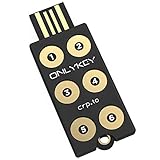
- ✅ PROTECT ONLINE ACCOUNTS – A password manager, two-factor security key, and secure communication token in one, OnlyKey can keep your accounts safe even if your computer or a website is compromised. OnlyKey is open source, verified, and trustworthy.
- ✅ UNIVERSALLY SUPPORTED – Works with all websites including Twitter, Facebook, GitHub, and Google. Onlykey supports multiple methods of two-factor authentication including FIDO2 / U2F, Yubico OTP, TOTP, Challenge-response.
- ✅ PORTABLE PROTECTION – Extremely durable, waterproof, and tamper resistant design allows you to take your OnlyKey with you everywhere.
- ✅ PIN PROTECTED – The PIN used to unlock OnlyKey is entered directly on it. This means that if this device is stolen, data remains secure, after 10 failed attempts to unlock all data is securely erased.
- ✅ EASY LOG IN –No need to remember multiple passwords because by plugging OnlyKey to your computer, it automatically inputs your username and password. It works with Windows, Mac OS, Linux, or Chromebook, just press a button to login securely!
What is and is not established
Three things can be stated with confidence:
- Subscribers reported receiving unexpected password-change messages on the morning of October 8, 2026.
- AT&T had not confirmed a glitch, a breach, or a number of affected accounts in the reporting available at publication.
- A password-change notice you did not trigger is enough reason to check your account, but not enough to conclude that it was compromised.
Nothing in the available reporting establishes that every alert was false, that no accounts were accessed, or that a specific number of customers was affected. If AT&T publishes a direct explanation, that should replace any inference drawn from user posts or reshared screenshots.
How AT&T describes its alerts and account takeover
AT&T’s help page on compromised-password alerts, last updated April 15, 2024, describes a different situation. Such an alert means that a saved ID or password may have been exposed in a breach at a company other than AT&T. The page states that this kind of alert does not mean AT&T itself suffered a breach. It is standing guidance about credentials, not an explanation of the October 8 messages.
Rank #2

- POWERFUL SECURITY KEY: The Security Key C NFC is the essential physical passkey for protecting your digital life from phishing attacks. It ensures only you can access your accounts.
- WORKS WITH 1000+ ACCOUNTS: Compatible with Google, Microsoft, and Apple. A single Security Key C NFC secures 100 of your favorite accounts, including email, password managers, and more.
- FAST & CONVENIENT LOGIN: Plug in your Security Key C NFC via USB-C and tap it, or tap it against your phone (NFC) to authenticate. No batteries, no internet connection, and no extra fees required.
- TRUSTED PASSKEY TECHNOLOGY: Uses the latest passkey standards (FIDO2/WebAuthn & FIDO U2F) but does not support One-Time Passwords. For complex needs, check out the YubiKey 5 Series.
- BUILT TO LAST: Made from tough, waterproof, and crush-resistant materials. Manufactured in Sweden and programmed in the USA with the highest security standards.
AT&T’s fraud guidance covers account takeover, which can happen when someone uses a stolen password or a fake sign-in page to get into an account and change settings, place orders, or update contact information. Its advice is to avoid clicking unexpected text or email links, not to share account information or verification codes, and to check account settings.
Do these 3 things before closing this tab:
1Clear out junk files and repair common Windows errors2Fix the driver behind crashes, sound loss and screen glitches3Repair Windows errors before they cause bigger problemsThe table below separates the message types readers are most likely to encounter.
Rank #3

- Requires 3 "AAA" batteries (included)
- Unit auto-locks for 30 minutes after 5 consecutive incorrect PINs
| What you see | What it may indicate | What to do |
|---|---|---|
| Compromised-password alert | Your ID or password may have appeared in a breach at a non-AT&T service, according to AT&T’s standing guidance. It does not mean AT&T was breached. | Change the AT&T password directly in the app or website, and change any reused version on other sites. |
| Password-change email or text you did not trigger | Unverified. It may be an AT&T system message from the October 8 wave, or a phishing attempt if it contains a link. | Do not click links or reply. Sign in through a route you navigate to yourself and check whether the account shows a change. |
| Unexpected change to contact details, orders, access, or account settings | Possible account takeover, which AT&T’s fraud guidance describes. | Change the password and account or security passcode through official channels, review who has access, and confirm the account recovery email. |
| Sudden loss of service or an unexpected SIM or eSIM prompt | A warning sign that should be treated as urgent. | Contact AT&T through a number or site you find yourself, not one given in the message. |
What to do if you received one
- Do not click the link in the message, and do not reply with a PIN, password, or verification code. Unexpected messages can be used for phishing even when they look convincing.
- Open the AT&T app on your phone, or type the AT&T website address you already use into your browser. Do not use a link from the message. Check whether you can sign in and whether the account shows a recent password or profile change.
- If your password is no longer accepted, use AT&T’s official reset flow from the app or website. If you can still sign in, choose a new password that you do not use anywhere else.
- Look through your profile, contact details, orders, authorized users, and account settings for changes you did not make. Check that the account recovery email is one you control.
- If you entered credentials into a message link or shared a code, change your password and account or security passcode through official channels, then review account access and the recovery email again.
Keep the response proportionate. If you can sign in and nothing looks changed, you are still wise to change the password and check your settings. If anything looks wrong, contact AT&T fraud support through a route you have verified independently.
Why the headline is reassurance, not an all-clear
The available evidence supports a narrow conclusion. A wave of subscriber reports exists, AT&T had not explained it publicly at the time of the report, and the early reporting suggested that no compromise had been found. That is useful context for readers who are worried, but it is not a final determination about any individual account. A message that you did not trigger still warrants a quick check.
If AT&T later publishes an official response, treat that as the authoritative explanation and update your account checks accordingly.
Quick wins for a faster PC:
Clear out junk files and repair common Windows errorsFree Scan →Scan for outdated or missing drivers - takes under a minuteDriver Scan →Source dates and limits
The Android Authority report is dated October 8, 2026, and it said confirmation was pending. AT&T’s compromised-password-alert page was last updated April 15, 2024, so it describes general policy rather than the October 8 notices. AT&T’s fraud guidance describes common account takeover tactics and recovery steps but does not state whether any particular account was changed in this event.
Best Value

- FIDO-ONLY FUNCTIONALITY: Supports FIDO2 (passkeys) and FIDO U2F protocols for passwordless and second-factor authentication. Does not support OTP, TOTP, Smart Card (PIV), or other advanced features - upgrade to YubiKey 5 Series for extended functionality
- SECURE AND CONVENIENT: Passwordless MFA login with the YubiKey Bio authenticator and biometric information using a fingerprint, with a PIN as a fallback. Simply plug in via USB and use your fingerprint to authenticate
- DEVICE & OS COMPATIBILITY: Compatible with Windows, macOS, ChromeOS, and Linux. Works seamlessly with supported services like Google and Microsoft accounts, and major password managers. See the full compatibility list at "Works With YubiKey"
- DURABLE & RELIABLE: Resistant to tampering, water, and crushing. No batteries or network connectivity required, offering dependable authentication without any downtime. Securely manufactured in USA & Sweden
- Yubico Authenticator App - Fingerprint enrollment, passkey management and PIN configuration available via the app app - Upgrade to YubiKey 5 Series to generate one-time-passwords (OTP) via Yubico Authenticator and for advanced compatibility (OATH, PIV)
No AT&T statement about the October 8 wave was included in the reporting available for this article.
Quick Recap
Product prices and availability are accurate as of the date/time indicated and are subject to change. Any price and availability information displayed on Amazon at the time of purchase will apply.

