
The Tool Desk
Outbyte Driver Updater FREEFix the driver behind crashes, sound loss and screen glitchesFind Drivers →Outbyte PC Repair FREEClear out junk files and repair common Windows errorsFree Scan →Affiliate marketing lets a publisher earn compensation by referring an audience to another company’s product or service. The company owns the offer and handles fulfillment; the publisher creates useful content and sends referrals. A click alone does not guarantee payment: the referral must meet that program’s tracking, qualifying-action, and payment rules.
What is affiliate marketing?
Affiliate marketing is referral-based promotion. A publisher—such as a website owner or creator—introduces an audience to a merchant’s offer through content or another permitted placement. The merchant provides a tracking link or another approved referral method. If a visitor completes an action the program recognizes, the publisher may earn compensation under the program’s terms.
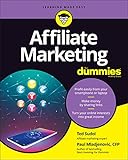




The publisher ordinarily does not develop, ship, or bill for the merchant’s product. The publisher’s responsibilities are to choose relevant offers, explain them accurately, and refer readers in a way that respects their interests and applicable rules. Dummies’ beginner explanation describes the affiliate’s role as introducing people to products and services rather than handling the transaction.
How affiliate marketing works
- Choose an offer: Find a product or service relevant to the audience and review the merchant’s current program terms.
- Publish a useful recommendation: Explain what the offer does, who it may suit, and any material limitations. Do not present a paid referral as an independent recommendation.
- Use the program’s approved tracking method: A tagged link or other permitted mechanism can associate a visitor’s activity with the publisher.
- A visitor follows the referral: A click records traffic, but does not by itself establish that a commission is earned.
- The visitor takes a qualifying action: Depending on the program, compensation may depend on a qualifying purchase or another specified action, subject to exclusions and other conditions.
- The program applies its terms: Attribution, cancellations or returns, payment thresholds, and payout timing can affect whether and when compensation is paid.
For example, Amazon’s US Associates Operating Agreement describes monetization through properly formatted tagged Special Links on eligible websites, social-media user-generated content, online software applications, and Alexa skills. Its terms apply to qualifying purchases or other actions as set out in the agreement and commission statement. The agreement result was updated October 15, 2025; check the live agreement for current rules and the relevant marketplace before participating.
#1 Best Overall
Keep three stages distinct: traffic is not necessarily a tracked referral; a tracked referral is not necessarily a qualifying action; and an attributed action is not necessarily payable if program conditions or exclusions apply.
How to evaluate an affiliate program or offer
There is no universal best program. Assess the offer and its rules against the audience’s needs, not just the advertised commission.
- Audience and product fit: Does the offer solve a real problem for the people who read or watch your content?
- Offer quality: Can you describe the product accurately, including relevant limitations, and do you have a sound basis for recommending it?
- Promotion rules: Are your intended channels—such as a website, social account, email, or app—allowed by the program?
- Geography and availability: Does the offer serve your audience’s location, and can readers in that region use the link?
- Qualifying action and attribution: What event earns compensation, how is the referral credited, and what exclusions apply?
- Reporting and payment: Are referral activity and earnings reported clearly? Check payment thresholds, timing, and other payout terms.
- Disclosure obligations: What wording and placement does the program require, in addition to applicable law?
Networks and direct merchant programs are two possible routes to finding offers. CJ’s publisher information describes tools for links, brand connections, and performance analysis. InformIT’s affiliate page is an example tied to books, ebooks, and video training. These pages are examples, not a guarantee of eligibility or acceptance; confirm current availability and terms directly.
Disclose affiliate relationships clearly
In the United States, the Federal Trade Commission’s guidance explains that readers need to know about a material relationship to assess an endorsement. The FTC says, “If you disclose your relationship to the retailer clearly and conspicuously on your site, readers can decide how much weight to give your endorsement.” See the FTC’s Endorsement Guides FAQ.
Place a plain-language disclosure where people encounter the recommendation or link, rather than relying on readers to find it elsewhere. For example: “I may earn a commission if you buy through links in this article.” Adapt the wording and placement to the medium so it is easy to notice and understand.
The FTC’s social-media influencer guidance says creators should disclose financial, employment, personal, or family relationships with a brand. Free or discounted products and other perks may also call for disclosure when the creator mentions the product; do not assume an audience already knows about the relationship.
Some programs impose additional contract requirements. Amazon Associates Central requires the site statement, “As an Amazon Associate I earn from qualifying purchases,” and its help guidance says link-level disclosures should be clear, conspicuous, and near the link or review. That wording is specific to Amazon, not a universal disclosure formula. Check the Amazon Associates disclosure help, current platform rules, and local law. The FTC’s endorsements and reviews hub notes that the Endorsement Guides were revised in 2023; this is a US-centered overview, not legal advice for every jurisdiction.
Independent reader supportYour contribution helps us test, update, and keep practical guides available for everyone.Set realistic expectations
Affiliate income is conditional, not guaranteed. Results depend on audience interest, referrals, qualifying actions, program rules, and payment terms. A high advertised commission rate does not establish that an offer suits your audience or that referrals will convert. Avoid promises about earnings and claims that affiliate marketing is passive income.
Before publishing a link, read the program’s live agreement and check its rules for attribution, exclusions, cancellations or returns, payment thresholds, and permitted channels. Terms and availability can change, and each merchant or network sets its own conditions.
Optional further reading
If you want a book-length introduction, Wiley lists Affiliate Marketing For Dummies by Ted Sudol and Paul Mladjenovic as a 352-page paperback, ISBN 978-1-119-62824-8. Wiley dates that edition to January 2020; the Dummies page lists December 12, 2019. Its stated coverage includes choosing affiliate products and programs and affiliate strategies. Check the current listing and edition before buying.
Quick Recap
Product prices and availability are accurate as of the date/time indicated and are subject to change. Any price and availability information displayed on Amazon at the time of purchase will apply.

