
Free tools Windows power users keep installed
One-click scans. No signup required.
Coca is a plant; cocaine is a concentrated drug made from it. Coca leaves contain cocaine as one of several plant alkaloids, but chewing the leaves or brewing coca-leaf tea is not the same preparation or exposure as using cocaine powder or crack. Products made with coca leaf exist, but their safety, contents, legality, and availability depend on the specific product and country.
What is the difference between coca and cocaine?
| Dimension | Coca leaf and traditional use | Cocaine |
|---|---|---|
| What it is | The leaf of coca plants, containing a mixture of alkaloids and other plant compounds. | A distinct drug derived from coca leaves; it is commonly encountered as powder or as cocaine base, known as crack. (U.S. Drug Enforcement Administration) |
| Routes described by sources | Chewing dried leaves, sometimes with an alkaline substance, or infusing them as tea. (WHO critical review, 2025) | Snorting powder, injecting it after dissolving, or smoking crack. (U.S. Drug Enforcement Administration) |
| Effects and evidence | Traditional users report mild stimulant or energizing effects. Evidence for proposed medical benefits is limited, and effects depend on preparation and use. (WHO critical review, 2025) | An intense stimulant with strong addictive potential and risks that can include serious cardiovascular and neurological harm. (U.S. Drug Enforcement Administration) |
| Regulation | Internationally controlled; national laws may permit traditional uses. Domestic rules vary. (WHO, April 2026) | Separately controlled under international and national drug laws; local legal details depend on jurisdiction. |
The distinction is not that coca leaf contains no cocaine. The amount varies. WHO’s 2025 review reports cocaine content of 0.11% to 1.02% of dried leaf weight across cultivated varieties and regions. That composition range is not a dose estimate and does not predict a particular effect. Total alkaloids are a different measure: WHO reports 0.5% to 2.4%, varying with species, growing environment, and stage of leaf development. (WHO critical review, 2025; WHO summary assessment, 2025)
Is coca tea the same as cocaine?
No. Coca tea is an infusion of coca leaves; cocaine powder and crack are processed forms of a drug derived from the leaves. The preparations and routes of exposure differ. The precise exposure from leaf products can vary with the material and how it is used: WHO notes that absorption depends on route and amount, and, for chewing, the use of an alkaline substance and the duration of chewing. The available evidence includes different types of research and does not justify assuming that every preparation or user will have the same effects. (WHO critical review, 2025)
What are coca leaves traditionally used for?
Chewing coca leaves and infusing them as tea are traditional practices, particularly in Andean regions. Reported purposes include seeking energy, preventing altitude sickness, and supporting digestive health. These are traditional uses or claims, not established treatment recommendations: WHO describes mixed evidence for usefulness in altitude sickness and limited clinical evidence for broader therapeutic benefits. Do not treat coca leaf as a proven remedy or infer that customary use is risk-free. (WHO critical review, 2025; WHO summary assessment, 2025)
#1 Best Overall

- Natural source of antioxidants (40x more than blueberries!)
- High in iron, magnesium, zinc, and other vitamins and minerals.
- Caffeine-free. Organic. Gluten-free. Vegan. Diabetic-friendly.
- Great for tea lovers, chocolate lovers, and those passionate about health and wellness.
- Large 4 oz bag of organic cacao tea
What risks are associated with cocaine?
The U.S. Drug Enforcement Administration describes cocaine as an intense stimulant with strong addictive potential. Its listed possible harms include anxiety, paranoia, insomnia, irregular heartbeat, ischemic heart conditions, sudden cardiac arrest, convulsions, stroke, and death. These are risks associated with cocaine use and should not be attributed wholesale to customary coca-leaf chewing. Conversely, the difference in preparation does not establish that coca leaf is medically risk-free. (U.S. Drug Enforcement Administration; WHO critical review, 2025)
What products are made from coca leaves?
WHO describes coca-leaf preparations and marketed categories including tea, nutritional supplements, essential oil, and powdered leaf that may be sold as a supplement or infused. These categories do not establish that a particular product is safe, effective, legal, or available in a given market. WHO also notes that coca leaf’s cocaine content limits its suitability as a nutritional supplement. (WHO summary assessment, 2025)
Rank #2

- Authentic Peruvian Muña - Experience the refreshing, mint-like flavor of authentic Muna tea (Minthostachys mollis), wild-harvested from the pristine Andes Mountains of Peru. Our te de muña is a cherished part of Andean tradition.
Product labels need careful interpretation. “Coca” does not by itself mean a product is decocainized. WHO’s legal definition distinguishes coca leaf from leaves from which cocaine and other ecgonine alkaloids have been removed. To understand what a specific item contains, check whether it uses whole leaf, processed leaf, or an extract; the category name alone does not establish its composition. (WHO critical review, 2025)
Independent reader supportYour contribution helps us test, update, and keep practical guides available for everyone.Is coca leaf legal?
Coca leaf remains in Schedule I of the 1961 Single Convention. After its 2025 critical review, WHO recommended retaining that status. In April 2026, WHO reported that the UN Commission on Narcotic Drugs considered the recommendation and confirmed the existing framework; no vote was held because no change had been proposed. WHO said that legitimate traditional uses permitted under national legislation remain unaffected. International scheduling does not settle every domestic rule, so check the applicable country’s laws for possession, sale, import, and travel. (WHO, April 2026)
Recommended Free Tools
Quick Recap
Rank #4

- 𝐍𝐀𝐓𝐔𝐑𝐀𝐋 𝐒𝐔𝐏𝐏𝐎𝐑𝐓 – Muna, also known as Andean Mint, is a shrubby, wild plant that naturally supports healthy digestion and normal kidney function and has been used by our ancestors for generations
- 𝟐𝟓 𝐓𝐄𝐀 𝐁𝐀𝐆𝐒–Each box contains 25 filter tea bags of Muna that are ready to be brewed into the perfect cup of tea
- 𝐂𝐀𝐅𝐅𝐄𝐈𝐍𝐄 𝐅𝐑𝐄𝐄 – Because Muna is caffeine-free, you can enjoy a cup of our delicious tea at any time of day. Great for after meals
- 𝐂𝐑𝐀𝐅𝐓𝐄𝐃 𝐁𝐘 𝐍𝐀𝐓𝐔𝐑𝐄 – Our herbal teas contain no preservatives, artificial colors, or additives. Our teas are simply harvested, processed, and stored to ensure maximum quality and safety
- 𝐇𝐀𝐍𝐀𝐍 𝐇𝐄𝐑𝐁𝐀𝐋 𝐓𝐄𝐀𝐒 – We offer more than 60 different varieties of herbal teas and infusions. Originating in the Amazon rainforest and the Andes mountain range, the world's finest herbs and other plants are grown in soils rich in beneficial nutrients and vitamins. Our herbs are maintained in their whole and unaltered form to provide you with their utmost beneficial potency
Rank #3
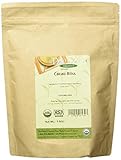
- Cacao Bliss (Loose Leaf) is made up of rich, organic cacao shells, the outer part of the cacao bean. This is a caffeine-free blend in general, but since chocolate and cacao alike contain very minor natural stimulants like theobromine, it is labeled as caffeinated from a FDA food labeling standpoint. Davidson's Cacao Bliss (Loose Leaf) offers the deeply layered flavor of dark chocolate.
- LEAF TO CUP: From our farms in India to your family, Davidson’s Organics is a vertically integrated provider of premium teas at affordable prices. We grow, import, blend, package, and sell - overseeing the entire journey of our tea from the leaf cuttings to the infusion in your cup.
- ALWAYS ORGANIC: Davidson’s Organics is a 3rd generation organic tea grower delivering on its promise of providing top-notch USDA certified organic teas. Our teas are grown non-GMO & free from harmful chemicals and pesticides. We are responsibly sourced and sustainably farmed. We believe in the holistic health of our farms, farmers, plants & animals.
- A CUP OF WELLNESS: Davidson’s offers a diverse selection of tea blends for the most discerning palates. From loose leaves to tea bags & iced, and from ayurvedic to herbal, our organic teas deliver the perfect pick me up or a restful respite. Enjoy our balanced tea blends for optimal health and sipping pleasure.
- TRUST OUR TEA: Davidson's Organics was the first purveyor of fine organic teas. Since 1976, we’ve worked tirelessly to develop blends that are true reflections of their names, while being committed to sourcing healthy ingredients grown by generations of skilled small farmers. Enjoy Davidson's Organics, the organic tea that sets the standards for the highest quality.
What the current evidence does not establish
- It does not establish that coca leaf is an effective treatment for altitude sickness or other health conditions; WHO describes mixed or limited clinical evidence.
- It does not establish that every product marketed with “coca” has the same composition or effects.
- It does not establish that a product is safe, legal, or available in a particular country merely because it is sold or described as a tea or supplement elsewhere.
Product prices and availability are accurate as of the date/time indicated and are subject to change. Any price and availability information displayed on Amazon at the time of purchase will apply.

