
NiMH and lithium-ion batteries suit different devices: NiMH is common in removable AA and AAA rechargeable cells, while lithium-ion is widely used in compact electronics and device-specific packs. Choose by the battery format, voltage, device requirements, and specified charger—not by physical fit or the word “rechargeable.” A typical NiMH cell is rated at 1.2 V; a typical Li-ion cell is rated at 3.6 or 3.7 V, so a bare Li-ion cell is not a drop-in replacement for an AA NiMH cell.
NiMH vs. lithium-ion: the practical differences
| Decision point | NiMH | Lithium-ion |
|---|---|---|
| Common consumer format | Removable AA and AAA cells are widely available. | Common in phones, laptops, cameras, and tools, often as a pack designed for a particular device. Cylindrical formats also exist. |
| Typical cell voltage | 1.2 V nominal, according to National Instruments’ comparison. | Typically 3.6–3.7 V per cell, according to National Instruments’ comparison. |
| Energy and size | Lower energy density than Li-ion in National Instruments’ comparison. | Higher energy density; the U.S. EPA says Li-ion can store the same energy in a smaller, lighter battery than other types. |
| Charging and use | Removable cells can suit repeated use when the device supports them and a compatible charger is available. Low-self-discharge variants are available. | Often integrated into systems designed around the battery’s voltage, protection, and charging requirements. Chemistry and pack design can vary by application. |
| End of life | Use a suitable battery collection or recycling route rather than assuming household bins are appropriate. | The U.S. EPA advises against household garbage and municipal recycling bins; use an appropriate battery or electronics collection route. |
These are broad distinctions, not a compatibility chart. Pack voltage, regulation, protection circuitry, and charging requirements depend on the specific product. Follow the device and battery instructions.
Which chemistry fits your device?
Frequently used AA or AAA devices
Consider NiMH rechargeable cells if the device manual permits rechargeable NiMH batteries and their 1.2 V nominal voltage works for the device. You will also need a charger specified for NiMH cells. For example, ANSMANN lists its AA HR6 NiMH product at 1.2 V; that specification applies to that product, not every AA rechargeable battery.
Compact electronics and custom battery packs
Use the manufacturer-specified Li-ion pack and charging system for a phone, laptop, camera, tool, or other device designed around one. Li-ion’s energy density helps explain why it is useful when a product needs to store energy in a compact, lightweight package, but the pack’s voltage and protection are part of the device system.
The Tool Desk
Outbyte PC Repair FREERepair Windows errors before they cause bigger problemsFix Now →Outbyte Driver Updater FREEScan for outdated or missing drivers - takes under a minuteDriver Scan →#1 Best Overall

- RELIABLE PERFORMANCE: 8-pack of AA rechargeable NiMH batteries (2,000 mAh)
- DEVICE COMPATIBLE: Ideal for remote controls, flashlights, clocks, and more
- LONG LASTING: Can be recharged up to 1000 times with minimal power loss
- LOW SELF DISCHARGE: Maintains 80% capacity for 2 years
- EASY USE & STORAGE: Shelf-life up to 5 years; great for everyday or emergency use; arrives pre-charged and ready to use
AA devices that stop working early with NiMH
Check the manual before trying another chemistry. Some purpose-built rechargeable AA Li-ion products regulate their output to 1.5 V and require a dedicated charger. They are not bare 3.6–3.7 V Li-ion cells, and their compatibility cannot be assumed from AA dimensions alone. Follow the product maker’s instructions for both the battery and charger.
Infrequent use or long storage
Compare the exact battery’s self-discharge and storage specifications. Self-discharge depends on product design, so a broad claim about NiMH or Li-ion does not establish how long a particular cell will hold its charge. Analog Devices discusses low-self-discharge NiMH variants; check the product documentation for the one you plan to use.
Rank #2

- RELIABLE PERFORMANCE: 16-pack of AA rechargeable NiMH batteries (2,000 mAh)
- DEVICE COMPATIBLE: Ideal for remote controls, flashlights, clocks, and more
- LONG LASTING: Can be recharged up to 1000 times with minimal power loss
- LOW SELF DISCHARGE: Maintains 80% capacity for 2 years
- EASY USE & STORAGE: Has a shelf-life up to 5 years for everyday or emergency use; arrives pre-charged and ready to use
Charge and handle batteries safely
- Use only the charger and charging method specified for the battery or device; do not mix chargers across chemistries based on connector fit.
- Follow battery markings and manufacturer guidance. The U.S. Consumer Product Safety Commission describes overheating and fire hazards and recommends that battery-powered products include appropriate thermal, charge, and discharge protections.
- Do not use a battery that is swollen or visibly damaged. For a damaged Li-ion battery, contact its manufacturer or the device maker for handling directions.
- The U.S. EPA recommends storing Li-ion batteries at room temperature and avoiding long exposure to extreme heat or cold. These are U.S. consumer recommendations; follow local guidance elsewhere.
Recycle rechargeable batteries appropriately
In the United States, the EPA advises consumers not to put used Li-ion batteries in household garbage or municipal recycling bins. Options may include specialized or certified battery and electronics recyclers, participating retailer take-back programs, and local household hazardous-waste programs. Tape battery terminals or place batteries separately in bags to reduce short-circuit risk, and check local collection rules. For a damaged battery, seek handling instructions from its manufacturer or local waste authority rather than placing it in a routine collection stream.
Collection options and rules vary by location. The EPA guidance cited here is U.S.-specific; outside the United States, consult local authorities or the battery maker.
Quick Recap
Rank #4
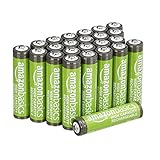
- IN THE BOX: 24-pack AAA rechargeable high-capacity batteries; 850 mAh
- DEVICE COMPATIBILITY: Ideal battery for a wide range of high- and low-drain devices
- RECHARGEABLE: Delivered pre-charged and ready to use; can be recharged up to 500 times with minimal power loss
- LOW SELF DISCHARGE: Maintains 80% capacity for 24 months
- EASY USE & STORAGE: Ships in Certified Frustration-Free Packaging
Rank #3

- LONG LASTING PERFORMANCE: Recharge eneloop AA rechargeable batteries up to 2100 times
- POWERFUL NiMH RECHARGEABLE BATTERIES: eneloop AA Ni-MH pre-charged rechargeable battery deliver up to 2100mAh typical, 2000mAh minimum
- PRE-CHARGED AND READY TO USE: eneloop AA rechargeable batteries are pre-charged at the factory using solar power and maintain up to 70% of their charge after 10 years (when not it use)
- SECURE, PROTECTIVE PACKAGING: This package contains 8 eneloop AA rechargeable batteries
- EXTREME TEMPERATURES: eneloop rechargeable batteries can used in extreme temperatures, down to -4 deg Fahrenheit
Sources and specifications
- U.S. EPA: Used Household Batteries — battery handling and recycling guidance.
- U.S. EPA: Used Lithium-Ion Batteries — Li-ion applications, energy density, and recycling guidance.
- U.S. EPA: Frequent Questions on Lithium-Ion Batteries — battery variation, storage, and damaged or swollen batteries.
- U.S. CPSC: Batteries — battery hazards and system-level safety recommendations.
- National Instruments: Selecting a Battery for CompactDAQ Devices — contextual comparison of typical cell voltages and energy density.
- ANSMANN: NiMH Rechargeable Battery AA / HR6 Type 2850 (min. 2650 mAh) — specifications for one AA NiMH product; its listed capacity figures are product-specific.
- Analog Devices: Match the Battery to the Application to Avoid Disappointment — matching a battery to the device and use pattern.
Product prices and availability are accurate as of the date/time indicated and are subject to change. Any price and availability information displayed on Amazon at the time of purchase will apply.

