
Polyethylene (HDPE and LDPE) and polypropylene (PP) are common targets for chemical-conversion processes; polystyrene (PS) has also been studied, especially in pyrolysis. PET and PVC may require separate handling or pretreatment because their behavior and byproducts can affect a particular process. The right sorting rule is therefore not simply “put plastics with a number together”: identify the resin, then follow the receiving program or facility’s specifications.
A resin identification code describes a material category, not whether an item is accepted by a local collection program or an industrial conversion plant. Those decisions also depend on construction, contamination, physical form, process compatibility, and the product the plant intends to make.
What “chemical feedstock” means in plastic conversion
The phrase can refer to different outputs, and not all of them are ingredients for making new plastic. The U.S. Environmental Protection Agency (EPA) says chemical or thermal treatments can produce purified polymers, monomers, oligomers, chemical feedstocks, or fuels. Pyrolysis, hydrothermal treatment, and gasification use different routes and can produce different outputs, including hydrocarbons or syngas. An output intended as fuel is not the same as recovered material used to make plastic.
Mechanical recycling, by contrast, generally sorts, cleans, shreds, and melts plastics without changing their chemical building blocks. EPA says it remains the predominant method of plastic recycling. Whether a conversion route is appropriate depends on its inputs and intended product, not just on the fact that it can process plastic. EPA’s overview of advanced recycling explains the distinction.
#1 Best Overall

- Discover the IDEAL SYSTEM by colors and simple drawings to separate garbage into different materials such as paper, cardboard, plastic, metal, and glass, thus facilitating the recycling process with our practical recycling organizer.
- Our recycling bags have excellent FEATURES such as their strong, semi-rigid material, which makes them collapsible, waterproof and easy to clean. They also contain a RIGID LID that makes recycling more convenient for any recycling bin kitchen.
- The DIMENSIONS of the assembled set are 34.2'' front, 11.4'' depth and 18.8'' height (87 cm front, 29 cm depth and 48 cm height). This makes it suitable for use in different spaces, from homes to office buildings or stores.
- To ensure maximum STRENGTH, our set includes a RIGID BASE that is placed at the bottom of each bag, sturdy carrying handles and strong seams, perfect for recycling bins for kitchen or any recycling bin.
Which plastic types are conversion candidates?
Polyethylene and polypropylene: common targets
EPA identifies polypropylene (PP), high-density polyethylene (HDPE), and low-density polyethylene (LDPE) as usual feedstocks for conversion. These are polyolefins, but that shared chemistry does not mean every plant accepts all three in one stream. A facility may specify resin, form, cleanliness, or other limits; follow its documented input requirements.
Polystyrene: studied, but acceptance is facility-specific
Polystyrene (PS) appears in pyrolysis research alongside polyethylene and polypropylene. That establishes that PS has been studied for this route; it does not establish that every plant accepts every PS item, such as rigid packaging and foam, or that its output will be a chemical feedstock rather than another product.
Rank #2

- Discover the ideal system with simple colours and colours and patterns to separate waste into different materials such as paper, cardboard, plastic, metal and glass to facilitate the recycling process!
- Our recycling bags have excellent features, such as the durable and semi-rigid material that makes them foldable, waterproof and easy to clean. Plus, their ergonomic and lightweight design makes them a convenient option for carrying to the recycling point.
- The dimensions of the assembled set are 84cm in front, 28cm deep and 50cm high. This makes it suitable for use in different spaces, from homes to offices or shops.
- To ensure maximum robustness, our set includes sturdy carry handles and Velcro fasteners to facilitate assembly and assembly of the set. 6 plastic rods for stability.
- For greater comfort when emptying the bag, it is equipped with a handle at the bottom to be able to hold it during the discharge of waste.
PET and PVC: separate and qualify by process
PET and PVC should not be treated as interchangeable with polyolefins in a mixed feedstock. A 2016 review of plastic pyrolysis describes studies on PVC and catalytic PET treatment, and reports concerns about problematic byproducts, including corrosive gases or substances that can affect product quality and equipment. The review discusses pretreatment and catalytic approaches. These are reasons for process-specific evaluation and contamination control—not proof that all PET or PVC conversion is impossible. The findings concern pyrolysis studies, not every conversion technology or current facility’s acceptance policy. Kumagai and Yoshioka’s 2016 review provides that context.
Use resin codes as identification, not acceptance instructions
The familiar resin identification codes group plastics by material category. They help identify what an item is generally made from; they do not certify that a local curbside program, commercial processor, or chemical-conversion plant will take it. EPA’s 2023 report on sustainable end-of-life management of plastics and its guidance on international plastic-waste requirements distinguish material categories from the specific conditions that apply to sorting and recycling streams.
Rank #3

- 140L UPGRADED CAPACITY & DOUL COMPARTMENTS: Our recycling bins for kitchen has a total capacity of 140L/37gallons, which can hold 45-55 unsqueezed plastic bottles, providing roomy space for recycling plastic or glass bottles, paper, metal cans, or other recyclables. Features two separate compartments with see through labels so you can easily sort bottles based on different needs (Bin size: 20.9x15.7x28in / 53×40×71cm)
- CONVENIENT COLLECTION HOLES: The deposit bottles collection container features a lid with 2 round silicone holes for great convenience, allowing you to deposit bottles through the silicone holes without opening the lid, and the holes can restore automatically after throwing bottles, effectively helping to isolate odours and keep the air fresh. Designed with hook and loop fastener to secure the lid in place
- REMOVABLE INNER BAG WITH HANDLES: The indoor recycling bins is equipped with two removable inner bags with easy-grip handles for easy transport of recycling waste. Comes with removable wooden bars to hold the inner bags in place and prevent them from falling off when the carrier bags are filled with bottles. The inner bags are also machine washable to make daily cleaning a breeze
- STURDY & STABLE: This kitchen recycling bins is mainly made of durable thick Oxford fabric that can withstand daily wear and tear, with the addition of a sturdy bamboo frame and four removable fibre poles to give the recycle bins for kitchen a firm support, keeping it stand upright and not easily deformed. When not in use, bottle recycling bin can be easily folded to save space and easy storage
- MULTIFUNCTIONAL: The double recycling bin with lids not only provides a convenient and organized solution for recycling bottles, keeping your home clean and tidy, but is also suitable for storing dirty clothes, old newspapers, kids' toy and more. The compact body can be placed in any corner, with a fashionable look that can seamlessly blend into any home style
| Code | Common category | Sorting note for conversion |
|---|---|---|
| #1 | PET/PETE | Keep distinct if the receiving program or processor requires it. The code alone does not show that a conversion facility accepts the item. |
| #2 | HDPE | A polyolefin and a common conversion target. Sort to the stream named by the receiving facility. |
| #3 | PVC | Keep separate when specifications call for it. Its chlorine content makes process-specific treatment and contamination control important. |
| #4 | LDPE | A polyolefin and common conversion target. Films may have their own collection and bale specifications. |
| #5 | PP | A polyolefin and common conversion target. Rigid PP and other PP forms may be specified separately. |
| #6 | PS | Pyrolysis research exists, but acceptable forms and routes depend on the facility. |
| #7 | Other or mixed | Not one polymer family. Identify the material where possible or follow the receiver’s instructions; do not assume all #7 items are equivalent. |
This is a general identification guide, not household recycling instructions. The Association of Plastic Recyclers’ 2024 glossary, for example, defines distinct commercial categories for PP rigids, mixed rigid plastics, and polyethylene films. See the APR glossary.
How to sort plastics for a specific receiving stream
- Identify the resin. Use the resin code when present, but do not mistake the code for a claim that the item is accepted. Code #7 is a broad “other” category, not a single polymer.
- Check whether the item is single-resin or mixed construction. Multilayer packaging, attached components, and combinations of plastic with other materials may not match a stream intended for a single resin.
- Note contamination and condition. Food, oil, grease, labels, closures, or other residue can affect a receiving specification. Do not assume a conversion process’s potential tolerance for contaminated material applies to every plant.
- Match the physical form. Rigid items, films, foam, and small items may be collected or processed in different streams. Follow the facility’s accepted-material list for the item’s form.
- Confirm process compatibility and intended output. Ask which resins and contaminants the plant accepts, whether it requires pretreatment, and whether its intended output is monomer, another chemical feedstock, hydrocarbons, syngas, or fuel.
- Apply the right rules for the receiving route. Household collection instructions, commercial bale specifications, industrial feedstock contracts, and cross-border waste requirements are not interchangeable. For a specific item, the local program or receiving facility’s current instructions take precedence over a general resin chart.
Why mixed plastics are not automatically suitable
Some advanced technologies may handle plastics that are too contaminated or complex for mechanical recycling, but that capability is not a blanket acceptance promise. EPA emphasizes monitoring the quality and quantity of incoming material and ensuring that resulting oils or monomers meet product specifications. A facility still needs a defined feedstock stream compatible with its equipment and output requirements.
Rank #4

- RecycleBoxBin Plastic Light Weight Large Triple Recycling Bin 25 Gallon Each with Changeable Label System, Holds upto 33-39 Gallon Bags
Sorting can therefore matter even when the eventual process breaks polymers down: separation helps control what enters the plant and lets the receiver evaluate compatibility. EPA’s Basel guidance illustrates how specific some recycling streams can be: it describes pre-sorted, clean scrap categories and specifies, for a relevant category, that mixed PE, PP, and PET must be destined for separate recycling. Those are criteria for the guidance’s defined category, not universal instructions for every household or facility.
Independent reader supportYour contribution helps us test, update, and keep practical guides available for everyone.What to verify before putting an item in a bin or industrial stream
- Is the instruction for household recycling, a commercial processor, or a conversion plant?
- Does the receiver list the resin and physical form—such as film, rigid, or foam—as accepted?
- Does the item contain multiple materials or layers, and does the specification address them?
- Are there cleanliness, label, closure, or contamination requirements?
- Does the facility state what conversion route it uses and what outputs it produces?
- Are there separate regional or cross-border requirements for the material’s transport?
When a receiving program’s rules are unavailable or unclear, do not infer acceptance from a resin code or from general descriptions of conversion technology. Contact the program or facility and describe the item’s resin, form, and condition.
The Tool Desk
Outbyte Driver Updater FREEScan for outdated or missing drivers - takes under a minuteDriver Scan →Outbyte PC Repair FREERepair Windows errors before they cause bigger problemsFix Now →Quick Recap
Best Value
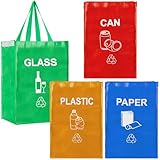
- 4 Recycle Bin Bags: you will receive 4 pcs of recycle bin bags, each with a capacity of 40 liters, designed to sort recyclable paper, glass and plastic, enough quantity and large size to meet your daily use, and you can share them with others
- Sturdy and Waterproof: our recycling bin organizer is made of quality polypropylene and plastic, safe and reliable to use, sturdy enough, waterproof and reusable, not easy to break or deform, easy to clean and hard to fade, serving you for a long time
- Easy to Use: the kitchen recycling bin organizer set is designed with handles, allowing you to carry the bin bag easily, foldable and for bin storage, can be connected and separated conveniently with adhesive border, bringing you lots of convenience
- Bright Colors: these recycling bin bags come in bright colors, including red, green, blue and yellow, easy to recognize, making it easy to sort correctly and neatly, which can enhance aesthetics for your kitchen and office
- Practical Gifts: everyone is responsible to make this world more sustainable for ourselves and future generation; These recycling waste bin bags combine practicality and aesthetics, which can serve as practical and meaningful gifts for your family and friends
Product prices and availability are accurate as of the date/time indicated and are subject to change. Any price and availability information displayed on Amazon at the time of purchase will apply.

