
How do I dispute an unfamiliar charge on a bank statement? First check the transaction details and whether an authorized user or subscription explains it. If it still looks unauthorized, contact your bank, credit union, or card issuer promptly through a trusted number or secure account portal. The next steps and deadlines depend on whether the payment was a debit or other electronic transfer, or a credit-card charge. This guide covers U.S. consumer accounts; other countries and some payment products may follow different rules.
Check what the transaction is before disputing it
An unfamiliar merchant descriptor does not always mean fraud. A business may bill under a parent company, payment processor, or abbreviated name. Compare the posted date, amount, and exact descriptor with receipts, online purchases, subscriptions, travel, and activity by family members or other authorized account users. Check whether a third-party payment service processed the purchase.
Do not wait to report a transaction that still appears unauthorized. The CFPB advises consumers to contact their bank or card provider immediately if they suspect an unauthorized debit or charge, and warns that unfamiliar merchant names or small test charges can signal suspicious activity: CFPB guidance on monitoring accounts.
Report the charge through a trusted channel
- Use the phone number printed on your card or statement, or sign in to the provider’s authenticated app or website and use its dispute channel. Avoid using a phone number or link from an unexpected message.
- Say plainly that you do not recognize or authorize the transaction. Provide its date, amount, and descriptor, and ask that it be handled as an unauthorized transaction or billing error, as applicable.
- Ask whether to lock or replace the card or other access device, and whether changing the PIN is appropriate.
- Record the date and method of your report, the representative’s name if available, and the claim or reference number. Keep the statement, transaction details, messages, letters, and dated notes of calls.
Promptly reporting a suspicious debit is important under the CFPB’s electronic-fund-transfer dispute guidance. For a credit-card billing error, keep a copy of your written notice and evidence that it was submitted.
#1 Best Overall
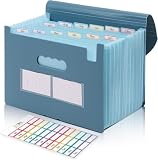
- Large Capacity with 13 Pockets:Designed with 13 expandable pockets, this accordion file folder can hold up to 2000 sheets of A4 or Letter size paper, making it ideal for organizing bills, receipts, invoices, tax documents, medical records, and important files.
- Monthly Tabs & Blank Labels for Easy Organization:Comes with month tabs and blank writable labels, allowing you to organize documents by month or create your own filing system. Easily locate and manage paperwork at a glance.
- Upright Storage Design for Desk, Shelf or Cabinet Use:The structured design allows the file folder to be stored upright on desks, bookshelves, or in filing cabinets, helping keep documents accessible and your workspace organized.
- Expandable Yet Portable:Expands up to 12 inches wide when fully loaded, providing generous storage capacity. When closed, it becomes compact enough to fit into backpacks or briefcases, making it convenient for meetings, school, or travel.
- Durable Waterproof PP Material with Secure Closure:Made from high-quality PP plastic, this file folder is lightweight, waterproof, and durable for long-term use. The adjustable closure design keeps documents secure, even when the folder is fully expanded.
Choose the rules that match the payment type
Do not apply the credit-card deadline to a debit-card transaction, or vice versa. Regulation E generally covers consumer electronic fund transfers such as debit-card purchases, ATM transactions, some online bill payments, and preauthorized deductions. Credit-card billing errors generally follow Regulation Z. If you are unsure which rules apply to a payment product, ask the provider which dispute process and notice address govern that transaction.
| Payment type | Notice path and key timing | What to know |
|---|---|---|
| Debit card or other covered electronic fund transfer | Tell the institution as soon as possible. CFPB guidance says to report an unauthorized withdrawal no later than 60 days after the statement showing it was sent. If a card or PIN was lost or stolen, notice within two business days of learning of the loss or theft is important to the more protective liability tier. | The institution may ask you to confirm an oral report in writing. Respond within the requested period; failing to do so can affect provisional credit. Liability depends on the facts and timing, not a universal $50 cap. |
| Credit card | Call promptly, then send a written billing-error notice using the billing-dispute address or submission method in the issuer’s billing-rights notice. Generally, the notice must reach the issuer within 60 days after the first periodic statement reflecting the error was transmitted. | The dispute address may differ from the payment address. Identify the account and explain the error, including its type, date, and amount as far as possible. Keep a copy and proof of delivery or submission. |
Debit card and other electronic transfers
Regulation E’s timing is tied to the statement and circumstances. For an unauthorized transfer, CFPB guidance says to notify the institution no later than 60 days after it sent the statement showing the transfer. If the access device itself was lost or stolen, reporting within two business days after learning of the loss or theft matters to the applicable liability limits. The current federal rule has different liability tiers—potentially up to $50, up to $500, or more depending on notice timing and circumstances—so do not assume every debit-fraud claim has a $50 maximum. See the CFPB’s Regulation E liability rule and interpretation.
Rank #2

- Improved Secure Zipper Closure: Unlike folders using elastic bands that can let contents slip out, our expanding file folder features a dependable zipper closure. It's thoughtfully designed to securely store and organize your important documents, including paperwork, bills, taxes, receipts, invoices, and more. Perfect for letter size.
- Large Capacity Monthly Organizer: 12 pockets design works great for monthly organizing and protecting all your essential documents in one place. You can securely store all your important papers without them getting cramped.
- Efficient Organization & Easy Lookup: To enhance your file organization, we provide blank labels along with this folder. You can personalize them to suit your requirements, such as labeling sections by month for effortless file retrieval.
- Additional Zipper Pencil Pouch: The front pocket has a depth of 3.5 inches, making it perfect for use as a pencil pouch to conveniently store pens, highlighters, and other frequently-used writing tools that you may need while working with your documents.
- Portable & Durable: Easily carried in a tote bag or backpack, it makes moving from place to place convenient and reduces the risk of losing items. Made of hard colored plastic with reinforced fabric sides. Waterproof & sturdy enough to keep papers safe. Acid-free, PVC-free, and archival quality for safe storage.
If the bank requests written confirmation after you report by phone, follow the deadline it gives you. The CFPB’s Regulation E error-resolution rule governs the investigation and provisional-credit process.
Credit-card billing errors
For a credit-card claim, make the required written notice through the billing-rights channel even if you have already called. Send it to the address or use the method specified by the issuer; a payment address may not count as the dispute address. CFPB explains the credit-card billing-error process and Regulation Z sets the billing-error notice and investigation rules.
The Tool Desk
Outbyte PC Repair FREERepair Windows errors before they cause bigger problemsFix Now →Outbyte Driver Updater FREEScan for outdated or missing drivers - takes under a minuteDriver Scan →Rank #3

- Check-Size Design: This check-size expanding file is specially designed for coupons organizer. The size of 10" x 5.5" x 1" fits for coupons, receipts or cash size
- Thirteen Pockets: Accordion folder is featuring thirteen pockets with a 6" expansion, that could stands up and expands fully on a desk or counter, contents are easy to access
- Five Colors: Offer five colors for choose, the durable shell and multiple colored pockets make coupons and receipts organized well
- Polypropylene Material: Made of polypropylene material, lightweight and strong, elastic and button closure keeps contents secure, even on the move, perfect for slipping into your purse
- Labels for Organization: Offer adhesive A-Z, Monthly and Blank tab labels to help you locate each pocket for adaptable filing to suit your needs
If the issue is goods or services that were not accepted or delivered as agreed, Regulation Z does not require you to contact the merchant first before sending a billing-error notice to the creditor. Contacting the merchant may still help resolve an ordinary service problem, but do not let that delay the statutory notice deadline.
Know what happens during an investigation
Electronic-fund-transfer disputes
Under CFPB guidance, a bank generally has 10 business days to investigate an EFT error, or 20 business days for an account open less than 30 days. If it cannot finish within that initial period, it generally must provisionally credit the disputed amount while it continues investigating, though it may withhold up to $50 and exceptions apply. The usual outer resolution period is 45 days; some cases, including certain foreign transactions, point-of-sale debit purchases, or transfers within 30 days of opening an account, can take up to 90 days.
Rank #4
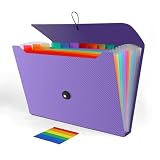
- 【LARGE CAPACITY】With 13 individual pockets and a maximum capacity of 350 sheets of paper, our paper organizer folder is perfect for keeping all your important documents organized and easily accessible.
- 【PREMIUM QUALITY】Made from environmentally friendly PP material, our folder organizer is acid-free, PVC-free, and archival quality, ensuring safe storage for your documents. Plus, it's waterproof and moisture-proof, so your papers stay in great condition.
- 【COLORFUL DESIGN】Our expandable file folder features rainbow-colored inner pages and small colored labels for easy classification, making it both functional and visually appealing
- 【EASY TO USE】The elastic string and button closure to make it easier for you to open and close the folder. This makes your work more relaxed and pleasant, perfect for all people to store all of their loose paperwork.
- 【VERSATILE APPLICATION】Our accordion folders can store invoices, letters, paper, cards, receipts, contracts, and other documents. It's suitable for home, office, school, and travel use. Plus, its stylish and simple design makes it the perfect gift for friends and family.
If the bank determines that an error occurred, CFPB guidance says it must correct the error within one business day and report its findings within three business days. These are general federal timeframes; the applicable details depend on the account and transaction. See the CFPB’s EFT investigation guidance.
Credit-card disputes
A credit-card issuer generally has 30 days to acknowledge a written billing-error notice unless it resolves the matter within that time. It can take up to two complete billing cycles to finish its investigation. While the dispute is pending, keep paying undisputed charges on time. CFPB says you generally need not pay the disputed amount or related finance charges during the investigation; follow the issuer’s statement and notice instructions for handling the disputed balance.
What’s actually slowing this PC down?
Pick the symptom - the matching free tool is one click away.
Best Value

- All-In-One Monthly Organizer: Keep all your important documents in one place with Sooez Accordion File Organizer. 13 pockets design works great for Monthly organizing and protecting all your important paperwork, bills, taxes, receipts, invoices and more. Perfect for letter size.
- Expandable Capacity: The accordion file folder can be stretched up to 12 inches. 13 pockets allow you to store more than 2000 sheets. No matter how many documents you need to store, this folder can accommodate your needs as it can be easily expanded according to your requirements.
- Efficient Organization & Easy Lookup: To enhance your file organization, we provide blank labels along with this folder. You can personalize them to suit your requirements, such as labeling sections by month for effortless file retrieval.
- Stable & Portable: Stand on its own on the desk and not easy to tip over. Designed with portability in mind, allowing you to effortlessly move it between your desk, cabinet, and any other preferred locations.
- Maximum Protection and Durability: Well made, made from durable wipe-clean polypropylene. Waterproof & sturdy. Tear-resistant plastic provides durable structure. Acid-free, PVC-free, and archival quality for safe storage. Adjustable snap closure helps keep contents secure. Use 2 additional front pockets for business cards, project title cards or notes.
Follow up if the decision is unfavorable
If a bank concludes that no EFT error occurred, ask promptly for the information it relied on. The CFPB says the bank must provide that information on request. If a credit-card issuer finds no billing error, it must explain the reason in writing, state what amount is owed and when it is due, and allow you to request documentary evidence of the alleged indebtedness. Keep the decision with your other records and note any deadline for responding or paying an amount ultimately found due.
A provider may ask for information to investigate a claim, but a police report is not automatically required in every case. Regulation Z’s official interpretation says an issuer may not deny a billing-error claim solely because the consumer failed to comply with a particular request, such as filing a police report; missing information can still affect the investigation. The applicable rule is in the CFPB’s Regulation Z billing-error provision and interpretation.
Quick Recap
What can change the outcome
- Transaction category: unauthorized use, duplicate or incorrect amount, and a dispute about goods or services may require different facts and documentation.
- Lost or stolen access device: the date you learned of the loss and the date you notified the institution can affect debit/EFT liability.
- Statement timing: the relevant trigger is the statement sent or transmitted under the applicable rule, not simply the day you noticed the charge.
- Payment intermediary: a credit card used through an intermediary can qualify for some goods-or-services billing-error claims if the credit funded the purchase contemporaneously; legal treatment depends on the details.
- Account and product: federal rules described here concern U.S. consumer accounts and may not apply identically to every payment product or account outside the United States.
Product prices and availability are accurate as of the date/time indicated and are subject to change. Any price and availability information displayed on Amazon at the time of purchase will apply.

