
Outdated Drivers Are Slowing You Down
One free scan finds every outdated or missing driver and matches the right update for your exact hardware.Free scan · exact hardware matchPC Slower Than It Used to Be?
A free scan shows the junk files, broken settings and background clutter dragging Windows down - then fixes them in one click.Free scan · Windows 10 & 11A retro gaming channel that streams 24 hours a day looks effortless to viewers, but the infrastructure behind it can be a nightmare. Most creators either leave a desktop encoding around the clock—burning electricity, hardware life, and risking silent failures when power hiccups or Windows decides to update at 3 AM—or they accept gaps in broadcast time and smaller audiences.
The audience for continuous retro content is real and profitable. Channels that run Sonic, Final Fantasy, Castlevania, and arcade cabinets around the clock attract steady viewership from both active players and passive background-watching communities. People leave these streams on while working, studying, or sleeping. But the cost of keeping your own machine as a 24/7 encoder is steep: hardware degradation, electricity, and worst of all, downtime that nobody notices until hours have passed.
This article walks through the technical, practical, and cost-aware paths to running a stable retro longplay stream on YouTube without tying up your personal computer or living in fear of unplanned outages.
The Real Cost of a Home-Based Encoder
Running encoding software on your desktop is the lowest-friction entry point for new streamers. You plug in a capture card or emulator, hit “go live,” and YouTube receives the stream. For short sessions—a few hours on weekends—this works fine. For 24/7 operation, the problems compound quickly.
#1 Best Overall

- 【1080P HD High Quality】Capture resolution up to 1080p for video source and it is ideal for all HDMI devices such as PS4, PS3, Xbox One, Xbox 360, Wii U, DVDs, DSLR, Camera, Security Camera and set top box. Note: Video input supports 4K30/60Hz and 1080p120/144Hz. Does not support 4K120Hz/144Hz. Output supports up to 2K30Hz.
- 【Plug and Play】No driver or external power supply required, true PnP. Once plugged in, the device is identified automatically as a webcam. Detect input and adjust output automatically. Won't occupy CPU, optional audio capture. No freeze with correct setting.
- 【Compatible with Multiple Systems】suitable for Windows and Mac OS. High speed USB 3.0 technology and superior low latency technology makes it easier for you to transmit live streaming to Twitch, Youtube, Facebook, Twitter, OBS, Potplayer and VLC.
- 【HDMI LOOP-OUT】Based on the high-speed USB 3.0 technology, it can capture one single channel HD HDMI video signal. There is no delay when you are playing game live.
- 【Support Mic-in for Commentary】Rybozen capture card has microphone input and you can use it to add external commentary when playing a game. Please note: it only accepts 3.5mm TRS standard microphone headset.
Hardware wear. A desktop GPU or CPU encoding H.264 or H.265 around the clock consumes significant power and generates heat. Over weeks and months, thermal stress shortens the lifespan of capacitors and memory. A machine that was rated for 8-hour workdays will degrade faster under continuous load.
Electricity costs. A mid-range gaming PC drawing 150–300 watts continuously costs $15–40 per month in electricity depending on your region. Over a year, that is $180–480 in power alone. If your channel does not monetize heavily, that is real money.
Silent failure modes. Windows updates, driver crashes, GPU memory leaks, or network hiccups do not always trigger visible alerts on a distant machine. A stream can drop at 2 AM and stay dead for eight hours while you sleep, erasing entire days of “watch time” metrics and disappointing the audience members who checked in expecting continuity.
Bandwidth and upload saturation. If you encode at home and upload to YouTube, your home internet upload link is locked to that stream for its entire runtime. A single failed upload or packet loss event mid-stream can force a restart, dropping the broadcast. Other household activities that use upload bandwidth compete with your stream, introducing jitter and quality drops.
Complexity and maintenance. Keeping encoding software, drivers, and streaming software up to date across weeks of continuous operation requires either disabling auto-updates (security risk) or scheduling maintenance windows (channel downtime).
For channels that want to reach the passive-viewer audience that powers long-tail streaming success, a home encoder is not a sustainable choice.
Cloud Encoding and the Third-Party Uplink
Some creators solve this by renting encoding capacity from cloud services. The concept is straightforward: your video file lives on a server, that server encodes and pushes the stream to YouTube, and your home machine stays offline.
This approach eliminates the hardware wear and electricity cost. It also removes the need for your home upload link to be perfect—the cloud service talks directly to YouTube from a data center with industrial-grade connectivity, so packet loss on your home network does not matter.
Quick wins for a faster PC:
Clear out junk files and repair common Windows errorsFree Scan →Scan for outdated or missing drivers - takes under a minuteDriver Scan →The downside has historically been cost and complexity. Traditional cloud encoding services charge per minute of output, and running a stream 24/7 adds up quickly. Setup also typically requires API keys, webhook configuration, or hours of documentation reading.
There is a narrower category of service designed specifically for this use case: platforms that accept a pre-recorded video file, play it in a loop or on a schedule, and stream it as a live broadcast to YouTube without requiring you to manage encoding settings or pay per-minute fees.
Uploading Once, Streaming Forever
The workflow that works for retro longplay channels is this:
- Record or compile your retro gameplay footage into a single long video file (6–12 hours is typical; longer is fine).
- Upload that file to a platform built for continuous streaming.
- Paste your YouTube stream key into the platform’s settings.
- The platform loops the video, pushes it live to your YouTube channel, and keeps it running.
- Your computer stays off.
This model removes every pain point of home encoding. No hardware wear, no electricity drain, no update surprises, no upload saturation. If the stream connection drops, the platform detects it and restarts automatically. The video loops endlessly, so you can upload a 10-hour retro marathon and let it play for a week before uploading a new file.
Rank #2

- 【4K HDMI Input, 2K@30Hz Recording】Powered by a true USB 3.0 high-speed interface, the capture card supports up to 4K@30Hz HDMI input and records at 2K@30Hz or 1080P@60Hz. Perfect for gamers, streamers, and professionals who need crisp, smooth video for live streaming, gameplay recording, or online meetings.
- 【Ultra Low Latency Screen Sharing】Built with a premium aluminum alloy shell and advanced chipset for stable heat dissipation, ensuring ultra-low latency transmission. Capture high-quality video and dual-channel audio in real time—no lag, no frame drop—ideal for Twitch, YouTube, or OBS streaming.
- 【Easy Plug and Play, Compact & Portable】No driver or external power required—just plug and play via USB 3.0 or Type-C connection to your Windows or macOS computer. Lightweight and compact design makes it easy to carry for outdoor streaming, live shows, or mobile recording setups.
- 【Wide Compatibility & Multi-Device Support】Compatible with Windows 7 8 10 11, macOS, Linux,Android and supports most popular software such as OBS, Zoom, VLC, Twitch Studio, and more. Works seamlessly with PS4, PS5, Xbox, Switch, DSLR cameras, TV boxes, and other HDMI-output devices for streaming to YouTube, Twitch, etc.
- 【What You Get】Includes: HDMI Capture Card, USB 3.0 to USB-C Adapter, User Manual. Tips: Make sure your tablet’s OTG function is enabled before connecting. Test your HDMI device with a monitor first to confirm video and audio output, then connect to the Video Capture Card for recording.
Leaving a desktop encoding around the clock is the part that breaks first—one Windows update at 3 AM and the channel is dark until you notice. StreamNeo removes that dependency: you upload the video once, paste your YouTube stream key, and the stream runs from the cloud with your own machine switched off, restarting itself if the connection drops. There is a free 24-hour trial and no card required, which is long enough to see whether it survives a night unattended.
Setting Up Your First 24/7 Stream
Once you have chosen a cloud streaming platform, the actual setup is minimal.
Prepare your video file. Compile your retro gameplay into a single file or a playlist. Quality standards for YouTube live are:
– Resolution: 1080p (1920×1080) or 720p (1280×720)
– Frame rate: 30 fps or 60 fps
– Bitrate: 4.5–6 Mbps for 1080p/30fps; 8–12 Mbps for 1080p/60fps
– Codec: H.264
– Audio: 128–256 kbps, stereo or mono
Most modern video editing or capture software can export to these specs. If you are recording from an emulator (RetroArch, Dolphin, PCSX2), configure the output codec before you start recording rather than re-encoding afterward.
What’s actually slowing this PC down?
Pick the symptom - the matching free tool is one click away.
Upload to the streaming platform. This can take time depending on file size and your upload speed. A 10-hour video at 5 Mbps bitrate is roughly 22 GB. On a typical home upload (5–20 Mbps), expect 30 minutes to several hours.
Retrieve your YouTube stream key. Go to YouTube Studio, click “Create” → “Go live,” and select “Stream,” not “Premiere.” YouTube will display a stream key (a long alphanumeric string). Copy this.
Paste the key into your streaming platform. Enter your stream key, choose your video file, and set the stream to start. Most platforms allow you to schedule the start time or begin immediately.
Monitor the first stream. Watch your YouTube channel as a viewer for the first 30 minutes to confirm the stream is live, the video is playing, and the quality looks correct. Check the bitrate and frame rate in YouTube’s stats for nerds (press Ctrl+Alt+Shift+D on desktop, or look at “Statistics” in the mobile app).
The Tool Desk
Outbyte Driver Updater FREEFix the driver behind crashes, sound loss and screen glitchesFind Drivers →Outbyte PC Repair FREERepair Windows errors before they cause bigger problemsFix Now →Looping and Scheduling
One of the biggest differences between a home encoder and a cloud service is the ability to loop content without manual intervention. When your 10-hour video finishes, the platform restarts it automatically. This is how 24/7 channels stay live even when the creator is asleep or busy.
Some platforms also support scheduled uploads, so you can queue up a new video to start at a specific time without being online. This is useful if you want to change content on a daily or weekly rotation—a new retro game each Monday, or a themed marathon every Friday.
Looping does not prevent you from uploading new content whenever you want. If you record a fresh longplay session or find a new retro compilation, you can upload it, set it to start at a chosen time, and let the old video finish its current loop before the new one takes over.
Managing Audience Expectations
A 24/7 stream is not a “set and forget” channel. The audience notices the difference between a platform that broadcasts the same 10 hours on repeat and one that stays dark for days or that crashes at random intervals.
Rank #3

- High-Quality Video Capture, 4K HDMI Capture Card Ready: Capture smooth and vibrant video with this 4K HDMI capture card, engineered for gamers and content creators who demand crisp 1080P 60FPS video quality. Whether you're streaming to Twitch or recording gameplay for YouTube, your footage will look professional and detailed
- Plug-and-Play USB Capture Card, No Drivers Needed: Designed as a USB capture card for streaming, this device works instantly out of the box, just plug into your PC or laptop and start capturing. Fully compatible with popular software like OBS Studio, Streamlabs, and XSplit, making setup quick and stress-free for beginners and pros alike
- Universal Compatibility PS5, Xbox, Switch & More: Stream or record gameplay from virtually any HDMI-enabled device including Nintendo Switch, PS5, Xbox Series X, DSLR cameras, and PCs. The video capture card for gaming supports seamless passthrough so you can play without lag while your audience watches every frame in real time
- Low-Latency Performance for Smooth Streaming: This capture card for streaming minimizes delay between gameplay and broadcast, so you get reliable, low-latency capture that works well for competitive gaming, live broadcasts, and podcast sessions. Suitable for those building their channel with high-quality, engaging content
- Compact & Portable Design for Content Creators: Lightweight and portable, this USB 3.0 capture card works well for creators who travel or switch gaming setups often. Throw it in your bag and stream or record wherever you are, at home, events, LAN parties, streaming or studio sessions
Be transparent about content. If your stream loops the same video, say so in the channel description and pinned comment. Viewers do not mind looping if they know what to expect; they mind if they think the channel is dead because it keeps showing the same timestamp.
Update regularly. Upload a new video every 1–2 weeks, or more often if you are recording content steadily. This keeps the stream fresh and gives viewers a reason to tune in again.
Monitor chat and community posts. Even though your stream is automated, your channel still needs you. Respond to comments, answer questions, and engage with the community. A 24/7 stream is not a passive income machine; it is a channel that runs in the background while you do other work.
Keep the stream quality consistent. Use the same bitrate and resolution for all uploads. If one video is 1080p/60fps and the next is 720p/30fps, the visual drop will be obvious to viewers and might make them think something is wrong.
Free tools Windows power users keep installed
One-click scans. No signup required.
Choosing Between Looping and Playlists
Some platforms support continuous looping of a single file. Others let you upload multiple videos and play them in sequence, switching to the next video when the current one ends. Both approaches work for 24/7 streaming; the choice depends on your content strategy.
Single-file looping is simpler and best for long, self-contained content like a single retro game playthrough or a curated arcade cabinet session. The downside is that viewers who tune in repeatedly see the same content in the same order, which can feel stale.
Sequential playlists let you upload 5–7 different retro games, each 2–3 hours long, and let them play back-to-back. When the last one finishes, the first one starts again. This gives variety within a looping structure and keeps viewers engaged over longer timescales. The trade-off is more upload work on your part.
For a retro gaming channel, most successful creators use a hybrid: a core rotation of 5–10 popular titles that play in sequence, with one or two new uploads per week that get added to the top of the rotation.
Do these 3 things before closing this tab:
1Fix the driver behind crashes, sound loss and screen glitches2Repair Windows errors before they cause bigger problems3Scan for outdated or missing drivers - takes under a minuteMonitoring Uptime and Recovery
Even with a cloud platform, things occasionally go wrong: a YouTube API outage, a temporary network issue, a file that is corrupted during upload. A good streaming platform will detect these failures and attempt to recover automatically, restarting the stream and resuming where it left off.
However, “automatic” does not mean “invisible.” You should check your channel at least once per day to confirm the stream is still live. The easiest way is to visit your YouTube channel page and confirm the “Live” indicator is showing.
Some platforms provide a dashboard or email notifications if the stream goes down. Use these if available—they turn a potential 8-hour outage into a 5-minute one because you are alerted immediately rather than discovering the problem hours later.
If the stream does fail and does not restart, the recovery is simple: log into your streaming platform, check the error message (usually it is a temporary YouTube connectivity issue or an expired stream key), and click “Restart Stream.” Most platforms support one-click restarts without requiring you to re-upload your video.
Recommended Free Tools
Rank #4
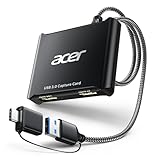
- 【4K Clarity, 1080P Performance】Enjoy stunning clarity with our USB 3.0 Video Capture Card—featuring 4K input and smooth 1080P@60Hz output. Featuring YUY2 technology, it delivers richer colors than MJPEG for lifelike live streaming and recording. Plus, it delivers high-quality video with minimal latency, making it perfect for gamers and content creators.
- 【Mic-in for Easy Commentary】Plug in a headset or mic directly to stream/record voice easily—no extra adapters. Great for real-time gaming commentary, online classes, or vlog dubbing. Paired with its low-latency tech, it keeps voice synced perfectly with video, eliminating post-editing hassle from mismatched audio-visuals. Fits most 3.5mm devices—ideal for gamers, teachers, creators.
- 【Plug and Play, no Extra-Drivers】No extra drivers or external power—just plug in and start capturing instantly. Small and lightweight, it fits easily in your bag for outdoor live streams, on-the-go recordings, or emergencies. Ideal for game capture, video conferences, and online teaching, it saves hassle while delivering smooth results.
- 【Wide Compatibility: Apps & Devices】No extra adapters—works flawlessly with your go-to platforms and gear. It pairs with streaming/recording apps like Twitter, YouTube, Facebook, OBS, XSplit, and VLC, plus devices including Switch/Switch2, PS5/PS4, Xbox, DSLR cameras, PC, macOS, and Android. Whether gaming, streaming, or hosting video calls, it keeps HD quality intact, eliminating "compatibility headaches".
- 【Worry-Free After-Sales Support】We are committed to delivering exceptional quality products that combine sophisticated design with affordable pricing, offering you the best solutions for seamlessly connecting your work and life. Whether you're a newcomer or a seasoned user, feel free to reach out anytime with any questions—your satisfaction is our top priority.
Bandwidth and Data Considerations
Running a 24/7 stream does not consume bandwidth on your home network once the video is uploaded. The platform’s data center sends the stream to YouTube, not your home upload link. This is a critical difference from home encoding, where your upload link is saturated for the entire duration of the stream.
However, there are two bandwidth points to understand:
The initial upload. When you first upload your video file to the platform, that data travels over your home internet. A 25 GB file on a 10 Mbps upload speed takes roughly 35 minutes. A 50 GB file takes over an hour. Plan uploads during off-peak hours in your household to avoid competing with other activities.
YouTube ingest. YouTube is receiving the stream from the platform’s data center, not your home. YouTube’s ingest bandwidth is determined by the bitrate you chose: a 5 Mbps stream consumes 5 Mbps of YouTube’s inbound capacity. This does not affect you directly, but it is why YouTube imposes bitrate limits (you cannot exceed 51 Mbps for a single stream). For retro content, 4–6 Mbps is more than sufficient and keeps file sizes manageable.
Cost Models and What to Expect
Cloud streaming platforms vary in how they charge for their service. Some use a flat monthly fee. Others charge per-minute of streaming, per-gigabyte of upload, or a combination.
For a 24/7 stream, per-minute or per-GB pricing can become expensive, which is why many long-play creators use platforms with flat pricing—you pay a monthly rate and can stream as much as you want.
Before choosing a service, calculate the rough cost for your use case. A 10-hour video looped 2.4 times per day is 240 hours per month. If a platform charges per-minute, that is 14,400 minutes per month. If it costs $0.01 per minute (a sample rate, not a real quote), that is $144 per month—expensive for a channel that may not monetize heavily. A flat monthly rate sidesteps this problem and is more predictable.
FAQ
Can I use copyrighted retro games on YouTube live?
YouTube’s copyright detection system (Content ID) flags copyrighted content in live streams just as it does in uploads. If you stream a game you do not own the rights to, YouTube may mute the audio, demonetize the stream, or issue a copyright strike depending on the rights holder’s policy. Some retro games have explicit streaming rights; others do not. Check the rights holder’s streaming policy before going live. Public domain games and games you own the rights to are safe.
Free tools Windows power users keep installed
One-click scans. No signup required.
What happens if my video file is corrupted or unplayable?
The streaming platform will attempt to play the file when the stream starts. If the file is corrupted, the platform will usually detect the error, log it, and either pause the stream or display an error state on YouTube. You will need to re-upload a corrected file. This is why testing the first 30 minutes of any new video is important—it catches file issues before they hit your live audience.
Can I switch videos without stopping the stream?
This depends on the platform. Some allow you to queue a new video to start at a specific time, which means the old video will finish its current loop and the new one will begin seamlessly. Others require you to pause the stream, upload a new file, and restart. Check your platform’s documentation for the exact workflow.
How do I handle time zones for scheduled uploads?
Most platforms let you set upload times in your own time zone and convert them to UTC or the platform’s server time zone. Double-check this setting when scheduling uploads to avoid your content starting at the wrong time.
Can I monetize a looping retro stream?
YouTube monetization requires a channel to meet certain thresholds (1000 subscribers, 4000 watch hours in the past 12 months). Once you meet those, a 24/7 stream counts toward watch hours just like any other content. However, monetization of copyrighted games (games you do not own) is complicated; copyright holders may claim revenue or demonetize the stream entirely. Stick to games you have rights to if monetization is important.
What bitrate should I use for old games that are lower resolution?
A 240p or 480p retro game does not need 6 Mbps to look good. You can stream at 2–3 Mbps and get excellent quality. Lower bitrate also means smaller file sizes and faster uploads. Do not assume that higher bitrate is always better; encode to the resolution you are using.
The technical side of a 24/7 retro channel is solved. The harder part is the content: building a library of retro games worth watching, updating it regularly, and engaging with viewers who tune in. The infrastructure should disappear into the background—a stream that simply runs, day after day, while you focus on recording and uploading fresh content.
Quick Recap
Product prices and availability are accurate as of the date/time indicated and are subject to change. Any price and availability information displayed on Amazon at the time of purchase will apply.

