
For the most versatile compact camera in WIRED’s August 2024 guide, the Sony RX100 VII is the all-round pick: it combines a 24–200 mm-equivalent zoom with a viewfinder and 4K video. But the best fit depends on what you want to do. The Ricoh GR IIIx and Fujifilm X100VI favor still photography with fixed lenses; the Sony ZV-1 II is aimed at vlogging; and the OM System Tough TG-7 is built for rugged and underwater use. These are WIRED’s 2024 recommendations, not a ranking of the current 2026 market.
WIRED’s 2024 compact-camera picks at a glance
| Camera | Best suited to | Lens or focal length | Sensor and standout features |
|---|---|---|---|
| Sony RX100 VII | Travel and general use | 24–200 mm equivalent, f/2.8–4.5 zoom | 20-megapixel, 1-inch stacked-CMOS sensor; viewfinder; 20-frames-per-second shooting; 4K video |
| Ricoh GR III | Pocketable still photography | 28 mm equivalent, fixed | 24-megapixel APS-C sensor; three-axis stabilization; built-in ND filter; snap focus |
| Ricoh GR IIIx | Pocketable still photography with a tighter view | 40 mm equivalent, fixed | Shares the GR III platform and its still-photo features |
| Fujifilm X100VI | Fixed-lens photography with a larger sensor and viewfinder options | 23 mm lens, 35 mm equivalent, fixed | 40-megapixel APS-C sensor; hybrid viewfinder; six stops of in-body stabilization; film simulations |
| Sony ZV-1 II | Vlogging and self-filming | 18–50 mm equivalent, f/1.8–4 zoom | Wide framing, Multi-Face Recognition and touchscreen workflow |
| OM System Tough TG-7 | Rugged, underwater and macro use | 25–100 mm equivalent, f/2–4.9 zoom | 4K/30 video, 1080p/120 slow motion, macro mode and environmental field data |
| Fujifilm Instax Mini Evo | Instant prints and printing images from other devices | Not stated in WIRED’s guide | Instant-camera/printer hybrid; about 45 images of internal storage, expandable to 1 GB with microSD |
| Leica Q3 | Premium fixed-lens photography | 28 mm equivalent, fixed | WIRED characterizes it as a very expensive premium option |
Specifications and recommendation descriptions in the table are from Scott Gilbertson’s WIRED guide, published August 29, 2024. Its displayed prices are not a basis for current pricing. The guide also discusses budget compacts, but its broad advice is more useful than carrying forward specific low-cost models or prices: simple snapshots may be enough for some buyers, while some very cheap cameras can be poor value.
Which compact camera fits your use?
Choose the Sony RX100 VII for one camera to cover varied situations
The RX100 VII’s wide-to-telephoto 24–200 mm-equivalent zoom gives it an advantage when you want to move from wide travel scenes to distant subjects without changing lenses. It also has a viewfinder, 4K video and a rated burst-shooting speed of 20 frames per second. That combination makes it WIRED’s pick for most people, especially travelers who value flexibility in a small camera.
There are trade-offs. WIRED describes the interface as complicated, so expect to adjust settings rather than assume the defaults will suit you. The camera has a microphone input, but no built-in place to mount a microphone; adding compatible cold-shoe mounting hardware may be necessary for a practical external-mic setup.
#1 Best Overall

- 16MP Sensor: Captures detailed photos with a CMOS sensor for everyday shooting
- Optical Zoom: 5x optical zoom with a 28mm wide angle lens for flexible framing indoors or outdoors
- Full HD Video: Records 1080p video for travel clips, family moments, or simple vlogging
- Memory Support: Works with Class 10 SD, SDHC, or SDXC cards up to 512GB
- Rechargeable Battery: Included LB-012 lithium-ion battery charges in the camera over USB with the supplied adapter in about 2 hours; charge it for at least 4 hours before first use to maximize battery life
Choose a Ricoh GR for pocketability and stills
The GR III and GR IIIx use fixed lenses, so you cannot zoom optically to reframe a subject. In return, they pair a 24-megapixel APS-C sensor with a pocketable still-camera approach. The GR III gives a 28 mm-equivalent view; the GR IIIx’s 40 mm-equivalent view is tighter. Pick between them based on the field of view you prefer, not on an expectation that one has a zoom.
WIRED highlights three-axis stabilization, a built-in ND filter, snap focus, close macro focusing, Wi-Fi and Bluetooth, and USB-C charging. Their video tops out at Full HD at 60 frames per second, making them less appropriate for a video-first buyer.
Model status matters if you are shopping now: Ricoh’s current lineup page marks the GR III discontinued while retaining the GR IIIx. That does not establish whether a particular retailer still has stock, or what condition or price a listing represents. Check availability and listing details before buying.
Choose the Fujifilm X100VI for a fixed-lens, viewfinder-led experience
The X100VI combines a 40-megapixel APS-C sensor with a fixed 23 mm lens (35 mm equivalent). Its hybrid viewfinder can be used optically, digitally or in a combined mode, and the camera has six stops of in-body stabilization and Fujifilm film simulations. Fujifilm classifies it as a fixed-lens camera, not an interchangeable-lens body.
Quick wins for a faster PC:
Repair Windows errors before they cause bigger problemsFix Now →Scan for outdated or missing drivers - takes under a minuteDriver Scan →Clear out junk files and repair common Windows errorsFree Scan →Rank #2

- 16MP Sensor: Captures detailed photos with a CMOS sensor for everyday shooting
- Optical Zoom: 4x optical zoom with a 27mm wide angle lens for flexible framing indoors or outdoors
- Full HD Video: Records 1080p video for travel clips, family moments, or simple vlogging
- Memory Support: Works with Class 10 SD, SDHC, or SDXC cards up to 512GB
- LCD Screen and Battery: 2.7in LCD screen with 2 AA alkaline batteries for convenient on-the-go use
Its larger body makes it less pocketable than the smallest options here. WIRED also notes focusing noise and slower autofocus as drawbacks for video-focused use. It makes more sense for someone drawn to its still-photo handling and fixed field of view than for someone seeking a versatile zoom or a video-first camera.
Choose the Sony ZV-1 II for self-filming
The ZV-1 II’s 18–50 mm-equivalent f/1.8–4 zoom starts wide, which helps when framing yourself at arm’s length. WIRED also points to Multi-Face Recognition and a touchscreen workflow that feels familiar to smartphone users. It is the more purpose-built choice in this group for vlogging; the RX100 VII is more flexible for varied still-photo subjects.
It charges over USB-C, so a portable battery may be useful for longer filming sessions. That is a convenience consideration, not a claim about a particular runtime.
Choose the OM System Tough TG-7 for demanding environments
The TG-7 is the specialist option for situations where ruggedness matters more than a large sensor or a viewfinder. WIRED describes it as freeze-proof, crush-proof, dustproof and shockproof, and highlights its 25–100 mm-equivalent f/2–4.9 zoom, macro mode and environmental field data. Its video features include 4K at 30 frames per second and 1080p at 120 frames per second for slow motion.
Do these 3 things before closing this tab:
1Fix the driver behind crashes, sound loss and screen glitches2Clear out junk files and repair common Windows errors3Scan for outdated or missing drivers - takes under a minuteRank #3
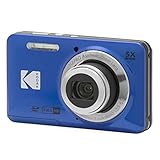
- 16MP Sensor: Captures detailed photos with a CMOS sensor for everyday shooting
- Optical Zoom: 5x optical zoom with a 28mm wide angle lens for flexible framing indoors or outdoors
- Full HD Video: Records 1080p video for travel clips, family moments, or simple vlogging
- Memory Support: Works with Class 10 SD, SDHC, or SDXC cards up to 512GB
- Rechargeable Battery: Included LB-012 lithium-ion battery charges in the camera over USB with the supplied adapter in about 2 hours; charge it for at least 4 hours before first use to maximize battery life
An optional underwater housing is available as an accessory, according to the guide; check housing compatibility and current availability for the exact camera before purchase. The camera’s rugged design is useful for rough conditions, but does not make every accessory or underwater setup interchangeable.
Choose the Instax Mini Evo if the print is part of the point
The Mini Evo is an instant camera and printer hybrid: it uses Instax Mini film and can also print images sent from other devices. WIRED says its internal memory holds about 45 images and can be expanded to 1 GB using a microSD card. It is a different kind of compact camera from the digital models above: its appeal is making physical prints, not choosing a zoom range or maximizing video capability.
Consider the Leica Q3 or a budget compact only for a specific reason
WIRED includes the Leica Q3 as a very expensive premium camera with a fixed 28 mm-equivalent lens. Its fixed field of view and price make it a deliberate premium choice, not the default recommendation for someone who simply wants a small camera.
At the budget end, a low-cost compact may be adequate for uncomplicated snapshots. But a low sticker price alone does not make a camera good value; compare the actual features and condition of the model you can buy, and check current prices rather than relying on figures shown in a 2024 guide.
What’s actually slowing this PC down?
Pick the symptom - the matching free tool is one click away.
Rank #4

- 16MP Sensor: Captures detailed photos with a CMOS sensor for everyday shooting
- Optical Zoom: 5x optical zoom with a 28mm wide angle lens for flexible framing indoors or outdoors
- Full HD Video: Records 1080p video for travel clips, family moments, or simple vlogging
- Memory Support: Works with Class 10 SD, SDHC, or SDXC cards up to 512GB
- Rechargeable Battery: Included LB-012 lithium-ion battery charges in the camera over USB with the supplied adapter in about 2 hours; charge it for at least 4 hours before first use to maximize battery life
How to choose between a zoom and a fixed lens
A zoom lets you change framing quickly, which is useful for travel, events and subjects at varying distances. A fixed lens requires you to accept one field of view and reframe by moving or cropping. That limitation is also the point: the GR cameras and X100VI offer a more focused still-photography experience, while the RX100 VII covers a broader range of situations with one lens.
- Choose a zoom if you want to photograph wide scenes and distant subjects without changing lenses. The RX100 VII is the most flexible zoom option in these picks; the TG-7 adds rugged-use features, and the ZV-1 II starts wide for self-filming.
- Choose a fixed lens if you are comfortable with a particular field of view and prioritize the camera’s still-photo experience. The GR III’s 28 mm-equivalent view, GR IIIx’s 40 mm-equivalent view and X100VI’s 35 mm-equivalent view are meaningfully different.
- Choose for the setting when durability, prints or self-filming are central. A conventional zoom range does not substitute for the TG-7’s rugged purpose, and a regular digital camera does not replace the Mini Evo’s instant-print workflow.
What the 2024 guide does—and does not—tell you about buying now
Scott Gilbertson’s WIRED article, published August 29, 2024, is a tested-and-reviewed guide: he says he tested and ranked the compact cameras he could get his hands on. Its recommendations and observations should be understood as WIRED’s 2024 picks, not as results from new testing or a complete comparison of every camera available today.
Market context has moved on. Ricoh now marks the GR III discontinued while retaining the GR IIIx in its lineup, and 2026 compact-camera coverage includes newer options such as the Ricoh GR IV and Canon PowerShot V1. Those developments do not by themselves establish that a newer model is better for a particular reader; they do mean that someone buying in 2026 should check current model status, stock and alternatives rather than treating a 2024 ranking as a live market order. Fujifilm’s current product page classifies the X100VI as a fixed-lens camera.
Before choosing, compare the camera’s current price and availability in your region, the exact model and listing condition, and whether its lens and handling suit your use. If you need audio accessories, an underwater housing or storage media, verify compatibility and availability for the specific camera rather than assuming an accessory mentioned in a guide is included.
Quick Recap
Product prices and availability are accurate as of the date/time indicated and are subject to change. Any price and availability information displayed on Amazon at the time of purchase will apply.

