
ChromeOS 147 added activity logs to Class Tools, giving eligible education administrators a record of selected teacher actions—such as connecting to a student, sending content, or viewing a student’s screen. Google describes the logs as a way to troubleshoot issues and monitor activity within an organization’s domain; they are not presented as a general audit log of everything users do on Chromebooks.
What ChromeOS 147 logs in Class Tools
Google lists “Class Tools activity logs” as a management change in ChromeOS 147. The feature records specific actions taken within Class Tools. Google’s examples are a teacher connecting to a student, sending content, and viewing a student’s screen. The stated purposes are troubleshooting and monitoring user activity within the domain.
The release notes do not claim that the logs capture every Class Tools action or provide a comprehensive record of Chromebook use. Administrators should understand them as an activity trail for the examples and scope Google describes, not as universal device surveillance or a replacement for other audit systems.
Google does not provide a named individual quote or a usage statistic for this feature in its release notes.
Do these 3 things before closing this tab:
1Fix the driver behind crashes, sound loss and screen glitches2Clear out junk files and repair common Windows errors3Scan for outdated or missing drivers - takes under a minute#1 Best Overall

- Intel Celeron N4120: 4 Cores & Threads, 1.1GHz Base Clock, Up to 2.6GHz Boost Clock, 4MB Cache, Intel UHD Graphics 600. The perfect combination of performance, power consumption, and value helps your device handle multitasking smoothly and reliably with four processing cores to divide up the work.
Who can use Class Tools
Class Tools is designed for Chromebook classrooms. Google’s documentation says an organization needs either Google Workspace for Education Plus or a Teaching and Learning add-on license to use Class Tools. The ChromeOS 147 notes do not state that activity logs require a separate license beyond that Class Tools prerequisite.
ChromeOS 147 release timing and status
Google lists March 25, 2026, as Chrome 147’s stable release date. As of October 8, 2026, version 147 is a past release: Google’s rolling release-notes page now includes later versions. Its ChromeOS 147 summary lists Class Tools activity logs among current changes, while certificate provisioning migration and ChromeOS Diagnostics connectivity troubleshooting are categorized as upcoming changes in that summary.
Rank #2

- Storage: 16GB Flash Memory
- OS: Chrome OS
- Screen Size: 11.6"
The same release notes describe a separate certificate administration transition: administrators are to migrate from legacy certificate enrollment to the Certificate Provisioning API by the end of 2026. Google says the API launched in ChromeOS 142. This is a certificate-management deadline, not an auditing feature in ChromeOS 147; administrators should check Google’s current guidance for any later changes to the deadline.
How the nearby Chrome Enterprise updates differ
Other Google announcements associated with the Chrome 147 release family concern Chrome Enterprise reporting and data-loss prevention. They are separate from the ChromeOS Class Tools logs in audience, scope, platform availability, or rollout stage.
Outdated Drivers Are Slowing You Down
One free scan finds every outdated or missing driver and matches the right update for your exact hardware.Free scan · exact hardware matchPC Slower Than It Used to Be?
A free scan shows the junk files, broken settings and background clutter dragging Windows down - then fixes them in one click.Free scan · Windows 10 & 11Rank #3

- Intel Processor Up to 2.80GHz, 4GB DDR4, 128GB Storage
- 15" FHD IPS Display, Intel UHD Graphics
- 1x USB Type C, 1 x USB Type A, 1x Headphone/Microphone Combo Jack, HDMI
- Super Fast WiFi and Bluetooth, Integrated Webcam
- Chrome OS, AC Charger Included, Pastel Blue
| Update | What it covers | Eligibility and availability stated by Google |
|---|---|---|
| Class Tools activity logs | Selected in-product Class Tools actions, including connecting to a student, sending content, and viewing a student’s screen; intended for troubleshooting and domain-activity monitoring. | Class Tools requires Google Workspace for Education Plus or a Teaching and Learning add-on. ChromeOS 147 lists the logs as a current management update. |
| AI-generated Admin console summary card | Release highlights and suggested actions relevant to a domain, including feature and policy changes. | Google describes a gradual rollout across Android, iOS, ChromeOS, Linux, macOS, and Windows. This is an administrator-facing release summary, not a Class Tools event log. |
| Gen AI and SaaS app usage reporting | Usage reporting for 60 predefined sites, including visits, unique managed profiles and browsers, and sensitive-content transfer events. | For Chrome Enterprise Core and Chrome Enterprise Premium customers. Google describes an early Trusted Tester preview in Chrome 147 on Linux, macOS, and Windows, followed by gradual rollout in Chrome 149 on those platforms—not general ChromeOS 147 availability. |
| Chrome Enterprise Premium DLP evidence collection | With policies configured to save evidence, files up to 2 GB can be sent to the Evidence Locker. Google says files over 50 MB and encrypted files had previously been skipped during content scanning; existing DLP rules govern the behavior. | Chrome Enterprise Premium; the Chrome 147 availability listed is Linux, macOS, and Windows. Google warns that Google Cloud Storage charges for the Evidence Locker bucket may increase. |
The site count and file-size limit belong to those adjacent Enterprise features, not to Class Tools activity logs. Google’s release notes do not specify a log-volume limit or a retention period for the Class Tools feature.
What administrators should take from the update
- For education administrators already using Class Tools, ChromeOS 147 adds a way to review selected activity within that product.
- Do not treat the feature as a record of all Chromebook use; Google describes specific Class Tools actions and a domain-level troubleshooting and monitoring purpose.
- When reviewing Chrome 147 announcements, distinguish ChromeOS education changes from Chrome Enterprise reports and DLP capabilities, which have separate eligibility and platform rollouts.
Official Google information
Google’s Chrome Enterprise and Education previous release notes contain the ChromeOS 147 and Chrome Enterprise announcements. Google’s Class Tools documentation explains its education licensing prerequisite.
Quick Recap
Best Value
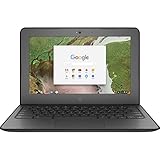
- Storage: 16 GB Flash Memory
- OS: Chrome OS
- Screen Size: 11.6"
Rank #4

- THE BETTER WAY TO LAPTOP – Imagine a Chromebook that’s as flexible as your day: thin and lightweight with built-in Google apps and stress-free security.
- TAKE HITS KEEP MOVING – Sleek, light, and built to last- the Chromebook 2-in-1 is just 0.69” thick and 3.3lbs. Enjoy long-lasting battery life, fast charging, and military-grade durability for nonstop productivity wherever life takes you.
- PERFORMANCE THAT MATCHES YOUR HUSTLE – Fuel your ideas with an Intel Core processor and 128GB storage. Boot up in under 10 seconds to start the day powerfully efficient.
- FLEX YOUR CREATIVITY ANYWHERE, ANYTIME – Create, work, or unwind your way with a versatile 2-in-1 design. Flip easily between laptop, tent, and tablet modes with a responsive touchscreen built for flexibility.
- BRILLIANT VIEWS AND IMMERSIVE AUDIO – See, hear, and create with awesome clarity. The WUXGA display brings rich detail to your work and play, while audio tuned by Waves MaxxAudio provides immersive, balanced sound.
Product prices and availability are accurate as of the date/time indicated and are subject to change. Any price and availability information displayed on Amazon at the time of purchase will apply.

