
Steam coal, also called thermal coal, is coal burned to produce steam or process heat, including in power-station boilers. Coking coal serves a different purpose: it is converted into coke for blast-furnace ironmaking. The distinction is mainly about intended use and the properties required for that use—not a single rank boundary or a simple scale from lower to higher quality.
What steam coal is used for
The U.S. Energy Information Administration (EIA) defines steam coal as coal burned primarily in boilers to generate steam for electricity or process heating, or used directly as a source of process heat. In ordinary industry usage, “thermal coal” is a common synonym. EIA’s glossary definition also classifies as steam coal all coal not classified as coking, or metallurgical, coal.
That definition covers several end uses:
- Electricity generation: a boiler burns coal to raise steam, which can drive a turbine.
- Industrial steam and heat: facilities use boilers to supply steam or heat for production processes.
- Direct process heat: coal may be used as a direct heat source rather than first generating steam.
The category does not mean that every coal can be used in every boiler. A plant needs fuel whose measured properties meet its equipment and operating requirements.
Rank, grade, and quality are different
“Steam coal” describes coal by use. It is not a single geological rank or a universal grade. EIA describes rank as a progression from lignite, the least carbonaceous rank, to anthracite, the most carbonaceous. Rank reflects properties such as fixed carbon, volatile matter, heating value, and agglomerating character. Grade, by contrast, refers to coal quality and suitability for a use. EIA’s coal glossary distinguishes these concepts.
Free tools Windows power users keep installed
One-click scans. No signup required.
#1 Best Overall

- 10 raw anthracite coal pieces per divided plastic box, preserving their natural luster and hard texture.
- High-carbon content (90%+), distinguishing it from other coal types, perfect for energy or geology studies.
- Shiny black surface with conchoidal fracture, making it visually distinct for collectors or classroom displays.
- Suitable for demonstrating fossil fuel formation or as a reference sample in mineralogy courses.
- GeLaozee’s strict sourcing ensures each piece is authentic anthracite, free from low-grade coal impurities.
For thermal coal, buyers and analysts pay particular attention to calorific value—the heat released by combustion—and impurities. A fuller quality assessment may also measure moisture, ash, sulfur, and trace elements. A broad label such as “high-grade” does not, by itself, specify those measurements or guarantee that a particular plant can use the coal.
Thermal-coal grade bands depend on the classification
There is no single universal set of steam-coal grade labels in the sources cited here. For its 2025 price analysis, the International Energy Agency (IEA) divides thermal coal into calorific-value categories:
Rank #2
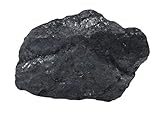
- Reliable Geologist Selection: The Eisco Raw Anthracite Coal Metamorphic Rock Specimen is a dependable study material, hand-processed by a geologist. Designed for science teachers and homeschool parents, it ensures students receive a robust specimen for close examination
- Efficient Classroom Management: This anthracite coal sample is individually packaged, labeled, and barcoded, simplifying classroom management and storage. Science teachers will appreciate the ease of use, as it avoids the hassle of loose rock samples
- Authentic Metamorphic Example: As a metamorphic rock, this anthracite coal provides students with a genuine example for rock-ID lessons. It serves as a valuable resource for science teachers aiming to provide a comprehensive geology education
- Perfect Size for Study: At approximately 3 inches, this hand sample is ideal for close visual inspection. Science educators will find it a useful tool, allowing students to hold and examine the specimen with ease, enhancing their learning experience
- Bright and Reflective Features: The bright, reflective surface of the anthracite coal makes it easier for students to observe its identifying features. This clarity aids in teaching, providing a clear view of the rock's distinct characteristics
| IEA Coal 2025 category | Calorific value |
|---|---|
| Low-CV | Below 4,200 kcal/kg |
| Mid-CV | From 4,200 through 5,700 kcal/kg |
| High-CV | Above 5,700 kcal/kg |
These are the IEA’s categories for its 2025 price analysis, not universal engineering specifications for boilers. Its discussion notes that blending higher- and lower-grade coals is commonly used to meet quality requirements, and that some substitution between grades is feasible. Whether a blend or substitute works depends on the applicable fuel specification and plant requirements. See IEA, Coal 2025: Prices and costs.
Steam coal versus coking coal
The key difference is what the coal must do in its intended process. Thermal coal must provide suitable heat and meet the fuel-quality requirements of its boiler or process. Coking coal must be suitable for producing coke that performs a structural role in a blast furnace.
Rank #3

- Bituminous coal sample approximately 1" (3cm) in size
- Bituminous coal is mined heavily around the world
- Perfect size for use in classroom identification labs and exercises, correlates well to Next Generation Science Standards Evidence Statements
- Students can get a close look at a material that powers the world
- Specimen comes in clear labeled and barcoded bag for ideal storage
| Comparison | Steam or thermal coal | Coking coal |
|---|---|---|
| Main purpose | Burned for electricity, steam, or process heat. | Carbonized into coke for ironmaking. |
| Key quality concerns | Calorific value and impurity content, alongside the plant’s fuel specification. | Caking behavior, coke strength or resistance, and impurities relevant to coke production and blast-furnace use. |
| Typical process | Combustion in a boiler or use as direct process heat. | Conversion in coke ovens, followed by use of coke in a blast furnace. |
EIA says coking coal must have low ash and sulfur and form coke strong enough to support iron ore and limestone in a blast furnace; it notes that producers usually blend two or more bituminous coals to make coke. The IEA likewise distinguishes coking coal by its role in coke production and blast-furnace ironmaking. These are different performance requirements, so coking coal is not simply “higher-grade steam coal.” See the EIA glossary and IEA Coal 2020 Annex.
Where the distinction has exceptions
Some specialized categories sit near the boundary between thermal and coking uses. The IEA identifies semi-soft coal as high-quality steam coal that can be mixed with coking coal to produce coke. It also describes pulverized coal injection: high-quality steam coal injected into a blast furnace to reduce coke use. These cases do not make ordinary steam coal equivalent to coking coal; the categories reflect specific uses and performance characteristics. The IEA explains these distinctions in its Coal 2020 Annex.
Rank #4

- Real Anthracite Coal: Discover the authenticity of hBARSCI's Anthracite Coal Specimen Set. Made from genuine American anthracite, these lumps make a unique and tangible gift for the science enthusiast
- Mess-Free Gift: The premium cotton muslin drawstring bag keeps coal dust contained, reducing mess during handling. That keeps the bag of coal easy to store and to present
- Experiment Activity Card: An included card links to a fascinating snowflake-crystal experiment. Transform your lump of coal gift into an interactive exploration, perfect for science lovers and hobbyists
- Plan Ahead: The crystal-growing experiment lists additional supplies like water and ammonia, so you're prepared before you start. This foresight ensures you have everything ready to create stunning crystal formations
- Visible Safety Notice: Featuring an on-product California Proposition 65 warning, this coal specimen set ensures transparency. Buyers can see important safety information before purchasing or gifting the item
What to check when comparing commercial coal grades
For a meaningful comparison, start with the intended end use and the applicable specification rather than relying on the words “steam,” “thermal,” or “high-grade” alone. Check the calorific-value basis and unit, as well as the relevant impurity and other quality measurements. The sources cited here do not establish a universal buying specification; requirements depend on the buyer and the plant.
Statistical categories may also define coal by use. For example, Commission Regulation (EU) No 147/2013 provides European Union statistical definitions of steam and coking coal. Such definitions are useful for consistent reporting, but they should not be mistaken for a single global boiler-fuel grade standard.
Do these 3 things before closing this tab:
1Fix the driver behind crashes, sound loss and screen glitches2Clear out junk files and repair common Windows errors3Scan for outdated or missing drivers - takes under a minuteQuick Recap
Best Value

- Premium Quality – Each of the 10 Raw Anthracite Coal specimens is hand-selected by geologists for distinct veining and texture, ensuring authentic metamorphic rock samples for study.
- Perfect Size for Classrooms – Uniform 1-inch pieces (approx.) allow easy handling and observation, ideal for students and teachers in science labs or geology lessons.
- Geologist Approved – Professionally processed to retain natural characteristics, making them excellent for teaching rock cycles, mineral identification, and Earth science concepts.
- Versatile Educational Use – Great for group activities, STEM projects, homeschool kits, or as a gift for rock collectors. Non-toxic and safe for classroom handling.
- Complete Class Pack – Includes 10 specimens in a durable storage option ready for immediate use in lessons or displays.
Product prices and availability are accurate as of the date/time indicated and are subject to change. Any price and availability information displayed on Amazon at the time of purchase will apply.

