
What’s actually slowing this PC down?
Pick the symptom - the matching free tool is one click away.
ChatGPT can turn verified college requirements into a school-by-school checklist, a backward timeline, and a short list of next actions. Treat it as an organizer—not the authority on deadlines or proof that an application item was received. Confirm each date and requirement on the college’s current admissions and financial-aid pages, then check the relevant application portal for submission status.
What to track for each college
Requirements vary by college and application cycle. Common App directs applicants to college information pages for testing policies, writing requirements, and deadlines, and colleges set their own recommendation requirements. Use those pages and each school’s financial-aid instructions as the source of truth.
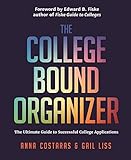


For every school, collect current-cycle details for:
- Application plan and official application deadline, including the time zone if stated.
- Required essays and supplements.
- Testing policy.
- Recommendations, transcripts, and other counselor or school forms.
- Portfolio or other program-specific materials, if applicable.
- Application fees and fee-waiver rules.
- Financial-aid forms, priority dates, and scholarship deadlines.
Keep admissions and financial-aid deadlines distinct. A general federal aid deadline may not be early enough for state or institutional funds, and participating colleges can set different CSS Profile requirements and dates.
The Tool Desk
Outbyte Driver Updater FREEScan for outdated or missing drivers - takes under a minuteDriver Scan →Outbyte PC Repair FREERepair Windows errors before they cause bigger problemsFix Now →#1 Best Overall
Build a reliable ChatGPT planning workflow
1. Define the scope and flag unknowns
Tell ChatGPT whether you are applying as a first-year or transfer student, your intended entry term and year, the colleges you are considering, how much time you have, and any known school or family constraints. Ask it to label missing information “verify” rather than filling gaps with guesses.
2. Gather official information before asking for a plan
Collect each college’s current admissions and aid instructions, along with relevant information from the application portal. Common App’s guidance explains that applicants should check college-specific information for requirements and dates. Do not ask ChatGPT to infer a school’s deadline from a past cycle or from another college’s policy.
3. Make one row per college
Ask ChatGPT to organize the information in a table with these columns:
- Requirement
- Official source link
- Deadline and time zone
- Owner: student, counselor, recommender, or family
- Status
- Next action
Keep the official submission date separate from personal target dates for requesting recommendations or records. Those earlier dates are planning buffers you choose; they are not college deadlines.
4. Work backward from each verified deadline
For each school, map the work in sequence: request recommendations and transcripts, draft and revise essays, complete forms, review the application, submit, and verify receipt. Set personal lead times that give you room to follow up, but label them as your own buffers rather than rules issued by the college.
5. Review the list every week
Ask ChatGPT to identify overdue, blocked, and unverified rows and produce a concise list of actions for the coming week. Recheck dates and requirements against official pages, since admissions and aid information can change by cycle.
6. Track completion, not just intention
An unchecked task or a reminder does not prove that a document reached a college. Common App’s senior checklist recommends using the Recommenders and FERPA area to monitor counselor forms, transcripts, and recommendation submissions. Also review each college’s application portal and follow its instructions for confirming receipt.
Keep financial aid on its own checklist
Record the FAFSA, CSS Profile when required, state aid forms, institutional forms, and scholarship deadlines as separate items for each school. FAFSA is used for federal aid; the CSS Profile is used by participating colleges and scholarship programs to assess non-federal institutional aid. College Board says to submit the CSS Profile by midnight Eastern Time on the earliest priority filing date that applies. Check each college’s current aid instructions rather than assuming one date applies everywhere.
Free tools Windows power users keep installed
One-click scans. No signup required.
College Board says the CSS Profile provides access to more than $14 billion in nonfederal aid; its page does not state a year for that figure. The amount is not a promise that any particular student will qualify for aid.
Use ChatGPT features as organizational support
Projects for ongoing planning
Projects can keep related chats, files, and instructions together for a continuing planning task. Access depends on plan and workspace availability, so a spreadsheet or document remains a useful alternative for maintaining the master checklist.
Scheduled tasks for reminders
ChatGPT scheduled tasks can support one-time or recurring reminders, but availability depends on account, app, and version. Notifications also depend on supported devices and settings. After creating a reminder, check that it appears in Scheduled; keep important dates in a calendar or application portal as well.
Study mode for learning, not verification
Study mode can help you work through uploaded materials or review what you need to do. OpenAI cautions that it can make mistakes and is not a substitute for applicable school policies or authoritative materials. Verify consequential dates and requirements against the college’s own instructions.
Quick wins for a faster PC:
Repair Windows errors before they cause bigger problemsFix Now →Fix the driver behind crashes, sound loss and screen glitchesFind Drivers →Rank #4
Prompts you can adapt
Provide official information you have collected, then use a prompt such as:
I am applying as a [first-year/transfer] student for [term and year]. Here is my college list and the current official admissions and financial-aid information I collected for each school. Build a table with each requirement, the source URL, deadline and time zone, who must complete it, current status, and next action. Flag missing or conflicting information as “verify”; do not guess. Then create a weekly plan working backward from each verified deadline, keeping the official date separate from my personal buffer dates.
For a weekly review, try:
Review this table for unverified dates, missing recommendations or school forms, financial-aid requirements, and tasks that depend on someone else. Give me the next five actions and identify which items I should confirm directly with a college or counselor.
Use ChatGPT to structure what you have verified; do not treat generated dates, assumptions, or task completion as confirmation from a college.
Who this workflow fits—and where to take extra care
This approach is framed around U.S. first-year applications. Transfer, international, art-school, and institution-specific processes may differ, so follow the instructions for your actual applicant type and entry cycle. If a requirement is unclear or two official sources conflict, contact the college or your counselor and mark the row unverified until it is resolved.
A spreadsheet, digital calendar, or optional paper academic planner can all hold the same school-by-school dates, owners, and statuses. The useful part is keeping official deadlines, personal buffers, and receipt checks distinct.
Quick Recap
Product prices and availability are accurate as of the date/time indicated and are subject to change. Any price and availability information displayed on Amazon at the time of purchase will apply.

