
Search for an author’s stories by combining their name with a publication, topic, or phrase you remember. Then use Google Search refinements or Google News to narrow the results, and open the publisher’s page to check whether the story is accessible to you. Search results are useful starting points, not a guaranteed complete bibliography.
How do I find articles by an author?
- Search the author’s full name with a clue. Add a topic, publication name, or distinctive phrase from the story. This helps separate the author from other people with the same name and makes a remembered article easier to locate.
- Limit results to a publication you know. In Google Search, use
site:followed by the publisher’s domain and the author’s name. For example, searchsite:example.com Jane Smith, replacing the domain and name with your own. Google documentssite:as a way to search within a site or domain. See Google’s guide to refining searches. - Search for a remembered phrase. Put a distinctive phrase in quotation marks to look for an exact match. If a common name brings up the wrong person, exclude a collision by placing a minus sign directly before the unwanted word, such as
Alex Lee -baseball. - Set a date boundary if you remember when it appeared. Google Search supports
before:andafter:date operators. Google News also offers date-range refinements, along with options for exact phrases, excluded words, and publisher sites. The available approaches are described in Google Search Help and Google News Help.
How do I search for a journalist on Google News?
Search the journalist’s name in Google News, then refine the results by publication, phrase, date range, or excluded words where useful. Google’s 2009 announcement documented an author: search in Google News and links from an article’s author name to other work. Because that guidance dates to 2009, treat those specific features as historically documented rather than guaranteed to be available for every author or article today. See Google News Blog’s announcement.
Google also described a limited beta Search carousel for articles by some U.S., English-language journalists on mobile. That rollout does not establish that an author carousel will appear for a particular person, language, location, or device. Google’s explanation is at Learn more about the person behind the news article.
How can I find an article I read by an author?
- Search the author’s name with any phrase, subject, publication, or detail you remember from the article.
- If you know the publisher, use
site:to focus on its domain; if you remember roughly when it appeared, add a date boundary or use Google News date refinements. - Try a distinctive quoted phrase, but remember that a phrase may not match if you recall it imperfectly or the published wording differs.
- Open likely results and check the byline, date, headline, and publisher. Search rankings and coverage vary, so failure to find a page does not establish that the author never published it.
Does finding a story mean I can read it for free?
No. A search result can lead to a story page without granting access to its full text. The publisher may make it freely available, require registration, limit free articles, or place it behind a subscription. Google News Help notes that people receiving a shared paid story may still need to pay for it; check the publisher’s page for the actual access terms: Find what you want on Google News.
Free tools Windows power users keep installed
One-click scans. No signup required.
#1 Best Overall
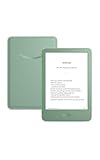
- Light and compact - With adjustable brightness, high contrast ratio, and fast page turns.
- Effortless reading in any light - Read comfortably with a 6“ glare-free display, adjustable front light—now 25% brighter at max setting—and dark mode.
- Escape into your books - Tune out messages, emails, and social media with a distraction-free reading experience.
- Read for a while - Get up to 6 weeks of battery life on a single charge.
- Take your library with you – 16 GB storage holds thousands of books.
Are search results a complete list of an author’s work?
Do not assume they are. Google says news experiences can use factors including relevance, location, prominence, authoritativeness, freshness, usability, and user interests. Results can therefore differ with the query, location, and settings. A publisher’s author page or journalist biography can be a useful additional place to look, but no single search result set is established as a complete bibliography. See Google’s explanation of how news works on Search.
Google encourages publishers to identify authors and provide journalist biography pages to help make content more accessible and improve its presentation in Search. Its Search Central guidance says Article structured data can help Google understand an article’s author and title, but markup is not required for Google News features such as Top stories and does not promise that a particular author feature will appear. See Learn more about Article structured data.
Quick Recap
Best Value

- Our fastest Kindle Paperwhite ever – The next-generation 7“ Paperwhite display has a higher contrast ratio and 25% faster page turns.
- Ready for travel – The ultra-thin design has a larger glare-free screen so pages stay sharp no matter where you are.
- Escape into your books – Your Kindle doesn’t have social media, notifications, or other distracting apps.
- Battery life for your longest novel – A single charge via USB-C lasts up to 12 weeks.
- Read in any light – Adjust the display from white to amber to read in bright sunlight or in the dark.
Rank #4

- 𝗕𝗥𝗢𝗪𝗦𝗘 𝗔𝗡𝗗 𝗥𝗘𝗔𝗗 𝗘𝗕𝗢𝗢𝗞𝗦 𝗜𝗡 𝗙𝗨𝗟𝗟 𝗖𝗢𝗟𝗢𝗨𝗥 - Read in colour with a 6” E Ink Kaleido 3 display to enjoy eBook covers, comics, graphic novels, illustrations, and more.
- 𝗡𝗢 𝗠𝗢𝗥𝗘 𝗛𝗨𝗡𝗧𝗜𝗡𝗚 𝗙𝗢𝗥 𝗛𝗜𝗚𝗛𝗟𝗜𝗚𝗛𝗧𝗘𝗥𝗦 - With multiple colours available at the touch of a finger, you can highlight your eBooks. Add, erase, or change colours as you go, and easily see all your highlights by chapter at a glance
- 𝗬𝗢𝗨𝗥 𝗘𝗬𝗘𝗦 𝗪𝗜𝗟𝗟 𝗧𝗛𝗔𝗡𝗞 𝗬𝗢𝗨 – ComfortLight PRO automatically reduces blue light throughout the day, and you can personalize your reading settings via font size, line spacing, or even Dark Mode
- 𝗪𝗔𝗧𝗘𝗥𝗣𝗥𝗢𝗢𝗙 𝗙𝗢𝗥 𝗥𝗘𝗔𝗗𝗜𝗡𝗚 𝗔𝗡𝗬𝗪𝗛𝗘𝗥𝗘 – Full waterproof protection and meets requirements of IPX8 rating – waterproof for up to 60 minutes in up to 2 metres of water
- 𝗕𝗘𝗧𝗧𝗘𝗥 𝗕𝗬 𝗗𝗘𝗦𝗜𝗚𝗡 - Made with recycled and ocean-bound plastic and repairability to waterproof protection
Rank #3

- Light and compact - With adjustable brightness, high contrast ratio, and fast page turns.
- Effortless reading in any light - Read comfortably with a 6“ glare-free display, adjustable front light—now 25% brighter at max setting—and dark mode.
- Escape into your books - Tune out messages, emails, and social media with a distraction-free reading experience.
- Read for a while - Get up to 6 weeks of battery life on a single charge.
- Take your library with you - 16 GB storage holds thousands of books.
Rank #2
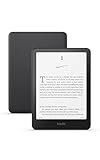
- Our fastest Kindle Paperwhite ever – The next-generation 7“ Paperwhite display has a higher contrast ratio and 25% faster page turns.
- Ready for travel – The ultra-thin design has a larger glare-free screen so pages stay sharp no matter where you are.
- Escape into your books – Your Kindle doesn’t have social media, notifications, or other distracting apps.
- Battery life for your longest novel – A single charge via USB-C lasts up to 12 weeks.
- Read in any light – Adjust the display from white to amber to read in bright sunlight or in the dark.
Product prices and availability are accurate as of the date/time indicated and are subject to change. Any price and availability information displayed on Amazon at the time of purchase will apply.
Independent reader supportYour contribution helps us test, update, and keep practical guides available for everyone.
