
Quick wins for a faster PC:
Scan for outdated or missing drivers - takes under a minuteDriver Scan →Clear out junk files and repair common Windows errorsFree Scan →To enable nested virtualization, configure the outer hypervisor to expose the physical CPU’s virtualization extensions to the VM that will run another hypervisor. For Hyper-V, shut down the target VM and run Set-VMProcessor -VMName <VMName> -ExposeVirtualizationExtensions $true on the physical Hyper-V host. Start the VM, then install Hyper-V inside it.
What nested virtualization does
Nested virtualization lets a virtual machine run a hypervisor of its own. The physical computer runs the outer hypervisor (L0); the VM receiving the virtualization features is L1; virtual machines created inside L1 are L2. Because the CPU features have to pass through these layers, the setting belongs to the outer hypervisor—not to the inner guest alone.
Microsoft describes the use case as running Hyper-V inside a virtual machine to emulate complex environments without needing multiple physical hosts. The exact controls and support conditions vary by outer hypervisor.
Check Hyper-V prerequisites first
Microsoft’s requirements differ between Intel and AMD systems. Confirm the physical host, CPU features, and target VM configuration version before changing the setting.
#1 Best Overall

- HP Proliant DL360 G9 4-Bay LFF Server | 2x E5-2695v4 2.10GHz 18-Core CPU (36-Cores Total)
- 256GB DDR4 RAM | 4x 4TB 7.2K SATA 3.5" HDD
- Smart Array P440ar w/ 2GB FBWC | 4x1Gbe NIC
- 2x 500W PSU | Windows Server 2019 Standard Evaluation
| CPU family | Host requirement | VM configuration version | Source |
|---|---|---|---|
| Intel | Intel VT-x and EPT; Windows Server 2016 or later, or Windows 10 or later, on the Hyper-V host | 8.0 or higher | Microsoft Learn |
| AMD EPYC/Ryzen or later | Windows Server 2022 or later, or Windows 11 or later, on the Hyper-V host | 9.3 or higher | Microsoft Learn |
Enable nested virtualization on Hyper-V
- Check the host and VM. Verify the CPU and host OS against the applicable requirements above, and check that the target VM’s configuration version meets the minimum.
- Shut down the target VM. The guest must be off while you change this processor setting.
- Run the command on the physical Hyper-V host. Replace
<VMName>with the VM’s name:Set-VMProcessor -VMName <VMName> -ExposeVirtualizationExtensions $true - Start the VM and install Hyper-V inside it. Once the guest is running, install the inner hypervisor as you would on a physical server.
- Set up networking for the nested guests. Hyper-V documents MAC address spoofing for traffic forwarded through two virtual switches, or NAT as an alternative. Choose the approach that fits your network.
To disable the feature, shut down the VM and run this command on the physical Hyper-V host:
Set-VMProcessor -VMName <VMName> -ExposeVirtualizationExtensions $falseVirtualBox and VMware use different controls
Do not use the Hyper-V PowerShell command to configure a VM in another product. Oracle VirtualBox documents an “Enable Nested VT-x/AMD-V” processor control and a corresponding VBoxManage option in its 7.2 guide. VMware’s support depends on the specific product and host configuration; consult Broadcom’s applicable guidance rather than assuming Hyper-V’s rules apply.
Rank #2
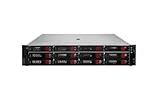
- HPE Proliant DL380 G11 12-Bay LFF Server | 2x Gold 6430 2.1GHz 32-Core CPU (64-Cores Total)
- 32GB DDR5 RAM | 4x 8TB 7.2K SAS 3.5" HDD
- MR408i-o Raid Controller | 12Gb/s SAS Expander | 4x1GbE NIC
- 2x 800W PSU | Windows Server 2019 Standard Evaluation
Cloud, networking, and support limitations
Azure VM security type
For nested virtualization in Azure, Microsoft specifies that the VM Security Type must be “Standard.” Check this setting if the guest hypervisor cannot access hardware virtualization features.
Nested guest networking
A nested guest may need a network path through more than one virtual switch. Hyper-V’s documented options are MAC address spoofing or NAT; the right choice depends on how the nested VM needs to communicate.
Rank #3

- HP Apollo 4200 G10 24-Bay LFF Server | 2x Gold 6130 2.1GHz 16-Core CPU (32-Cores Total)
- 256GB DDR4 RAM | 24x 4TB 7.2K SAS 3.5" HDD
- Smart Array P816i-a SR | 2x10GbE NIC
- 2x 800W PSU | Windows Server 2019 Standard Evaluation
Unsupported hypervisors and workloads
Microsoft says non-Microsoft virtualization applications inside Hyper-V VMs are unsupported and likely to fail. It also cautions against using nested Hyper-V for Windows Server Failover Clustering or performance-sensitive applications, and advises evaluating the services and applications involved.
Memory changes while the inner hypervisor runs
Dynamic memory and runtime memory resize do not operate normally for a VM while Hyper-V is running inside it. Turn off the VM to adjust its memory.
Quick Recap
Best Value

- HP Proliant DL380 G10 8-Bay SFF Server | 2x Platinum 8164 2.0GHz 26-Core CPU (52-Cores Total)
- 768GB DDR4 RAM | 2x 1.92TB SATA III 2.5" SSD
- Smart Array S100i SR | 2x10GbE NIC
- 2x 500W PSU | Windows Server 2019 Standard Evaluation
Rank #4
- HP Proliant DL360 G9 4-Bay LFF Server | 2x E5-2695v4 2.10GHz 18-Core CPU (36-Cores Total)
- 768GB DDR4 RAM | 4x 4TB 7.2K SATA 3.5" HDD
- Smart Array P440ar w/ 2GB FBWC | 4x1Gbe NIC
- 2x 500W PSU | Windows Server 2019 Standard Evaluation
Troubleshoot a guest hypervisor that cannot see virtualization features
- “Hardware virtualization unavailable” or equivalent: Confirm that virtualization extensions were exposed by the outer hypervisor, and that you changed the setting for the correct VM while it was powered off.
- Azure VM: Check that its Security Type is “Standard.”
- Nested guests cannot access the network: Review the virtual-switch path and configure MAC address spoofing or NAT as appropriate.
- Another hypervisor runs inside Hyper-V: Microsoft does not support non-Microsoft virtualization apps in Hyper-V VMs; they are likely to fail.
- VMware setup: Confirm the exact VMware product, release, and host configuration against Broadcom’s documented limitations and exceptions.
Product prices and availability are accurate as of the date/time indicated and are subject to change. Any price and availability information displayed on Amazon at the time of purchase will apply.

