
iTechGuides is reader-supported. When you buy through links on our site, we may earn an affiliate commission. As an Amazon Associate I earn from qualifying purchases. Learn more
Yu-Gi-Oh! began as a manga in 1996; the physical Japanese card game followed in 1999. The distinction matters: the 30-year milestone marks the debut of Kazuki Takahashi’s story, not the launch of the trading card game. The manga’s fictional card game became its defining feature—and eventually a real-world game and a broad entertainment franchise.
When did Yu-Gi-Oh! start?
VIZ dates the manga’s debut in Japan’s Weekly Shonen Jump to 1996 and names Kazuki Takahashi as its creator. The physical Japanese Yu-Gi-Oh! Duel Monsters Official Card Game (OCG) arrived later, in 1999, according to Nippon.com. A specialist historical account gives its start date as February 4, 1999. So 1996 is the right date for the manga’s beginning; it is not the card game’s launch date.


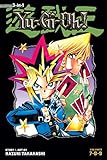

VIZ’s account of the manga and franchise and Nippon.com’s 2023 feature on Yu-Gi-Oh! support this distinction. The exact 1999 date comes from the specialist retrospective “20 Years of Dueling: A History of the Yu-Gi-Oh! TCG”.
Recommended Free Tools
How a story about games became a story about cards
Yu-Gi-Oh! did not begin as a story exclusively about one card game. Nippon.com describes its early manga as following Yugi through different games. A card game called Magic & Wizards in the story—rendered as Duel Monsters in English translation—caught readers’ interest and became the main focus. Nippon.com also reports that the manga had teetered on cancellation before it became a major Shonen Jump hit.
#1 Best Overall
That history gives the series’ evolution its unusual shape: a fictional game took over the narrative, then crossed into the real world as a physical product. The evidence here supports that account as Nippon.com’s secondary reporting, rather than as a claim attributed directly to Takahashi or his publisher.
What Takahashi said the manga was really about
Nippon.com reports that the first collected volume’s afterword included this reflection from Takahashi: “Yu-Gi-Oh feels like a manga about a card game, but at its heart it is really a school drama.” The observation helps explain why the card game’s rise did not erase the story’s original setting and characters: the game could become its central spectacle while the manga remained a school story.
From fictional duel to global franchise
The card game’s move from page to product was one part of a larger expansion. VIZ describes the manga as the source of a real-world card game, video games, and multiple anime series. Konami’s official guide presents the current Yu-Gi-Oh! Trading Card Game (TCG) alongside the franchise’s manga, television, and games.
The numbers show the scale, but need their dates and definitions. Nippon.com reported in a July 28, 2023 article that more than 40 million issues, including ebooks, were in print across the original Yu-Gi-Oh! series and its spin-offs; that is a print figure, not annual sales. Konami’s guide describes more than 25 billion Yu-Gi-Oh! TCG units sold in a passage discussing plans for 2022 and beyond. That figure belongs to that dated context, not a verified 2026 sales total.
“Changed the world” is best read as a headline’s shorthand for this cultural and commercial reach, not as a claim that one game alone transformed the world. What the sources establish is a manga that grew into a major franchise spanning stories, animation, video games, and collectible cards.
Independent reader supportYour contribution helps us test, update, and keep practical guides available for everyone.How the modern card game works
Konami’s current English-language TCG guide describes duels between two players using Monster, Spell, and Trap Cards. Players build decks of 40 to 60 cards, and the official rulebook page gives the basic win condition: defeat opposing monsters and reduce the opponent’s Life Points to zero. These are descriptions of the current game; they should not be assumed to match the OCG’s original 1999 rules exactly.
The same guide describes several product types. Booster packs contain randomly assorted cards; structure decks contain a full deck and a guide. Konami also lists collectible tins and accessories such as sleeves, game mats, card cases, and portfolios. Names, contents, and availability can change, so check the current listing for a particular product.
The Tool Desk
Outbyte Driver Updater FREEFix the driver behind crashes, sound loss and screen glitchesFind Drivers →Outbyte PC Repair FREEClear out junk files and repair common Windows errorsFree Scan →For official details on the present-day game, see Konami’s product and gameplay guide and rulebook page. Those pages describe the English-language TCG, while the 1999 launch date above refers specifically to Japan’s OCG. The sources cited here do not establish a precise Western TCG launch date.
Quick Recap
Best Value
Product prices and availability are accurate as of the date/time indicated and are subject to change. Any price and availability information displayed on Amazon at the time of purchase will apply.

