
Do these 3 things before closing this tab:
1Scan for outdated or missing drivers - takes under a minute2Repair Windows errors before they cause bigger problems3Fix the driver behind crashes, sound loss and screen glitchesiTechGuides is reader-supported. When you buy through links on our site, we may earn an affiliate commission. As an Amazon Associate I earn from qualifying purchases. Learn more
Bench an injured player when he is unavailable for a lineup slot, use a fantasy IR slot only if your league’s platform marks him eligible, and add a replacement when that player’s expected contribution is better than holding the roster spot unused. Trade or drop only after weighing the likely absence against waiver options, roster rules, and your league’s time horizon.
Make the decision in this order
- Check the player’s status. Confirm whether he is expected to miss the next game or scoring period; an NHL injury designation alone does not tell you what your fantasy platform permits.
- Check the lineup lock. Find out whether your league allows daily or weekly changes and when the player’s slot locks. Do not leave an active slot occupied by someone unavailable if you can still make a legal change.
- Check IR eligibility. Look at your fantasy league’s roster settings and the player’s current platform designation before moving him to an injury slot.
- Compare replacements. Assess available waiver players by role, scoring fit, schedule, and whether your transaction rules allow the add.
- Choose whether to hold, trade, or drop. Compare the injured player’s future value with the immediate value of the roster spot and the best replacement you can actually obtain.
Should you bench an injured fantasy hockey player?
If the player is unavailable or unlikely to contribute, bench him when your league lets you make a change. Yahoo’s help material says active players earn fantasy points while bench and other inactive-slot players do not; in leagues configured for daily changes, Yahoo permits changes until that player’s scheduled game starts. Those mechanics are platform- and league-specific, so check your own lineup rules rather than assuming every league uses the same lock time. Yahoo’s fantasy hockey roster-management help describes its settings.


With weekly lineup changes, a player who is questionable at the start of the scoring week may create a different decision from one in a daily league: you may have to commit before later status updates. Check the week’s lock rules and game schedule before deciding whether to start him. If a legal change is still available and you need the slot to score, use it rather than relying on an uncertain return.
Free tools Windows power users keep installed
One-click scans. No signup required.
When should you use a fantasy IR slot?
Use a fantasy injured-reserve slot when the player is eligible under your league’s actual settings and freeing the roster spot is more useful than keeping him in an ordinary bench slot. Platforms can have different eligibility labels and slot rules; check the roster settings and the player’s designation in your league before planning around an IR move.
#1 Best Overall
NHL Injured Reserve is not the same as fantasy IR eligibility
NHL rules allow a club to place a player on Injured Reserve when he is unable to perform hockey duties. An NHL player placed on IR must be unable to play for at least seven days and is ineligible for NHL games for at least seven days after placement. That is an NHL roster rule, not a recovery estimate and not a guarantee that a fantasy platform will make the player eligible for its IR slot. See the NHL Hockey Operations Guidelines.
Verify your league’s slot settings
Yahoo’s published default fantasy settings describe two IR slots that require a player to be on real-life IR, but custom league settings can differ. Yahoo’s fantasy glossary describes IR+ as accepting IR or day-to-day players, but that guidance is from 2016; verify whether the slot and its current definitions are available in your league rather than assuming they still apply. Yahoo’s default settings and its fantasy hockey league settings are the relevant places to check.
Rank #2
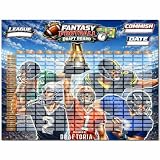
- EXTRA LARGE DRAFT BOARD: Oversized board provides ample space for all team picks, making draft night easy to follow.
- EXTRA LARGE DRAFT BOARD: Oversized board provides ample space for all team picks, making draft night easy to follow.
- EXTRA LARGE DRAFT BOARD: Oversized board provides ample space for all team picks, making draft night easy to follow.
- EXTRA LARGE DRAFT BOARD: Oversized board provides ample space for all team picks, making draft night easy to follow.
- EXTRA LARGE DRAFT BOARD: Oversized board provides ample space for all team picks, making draft night easy to follow.
How to choose a replacement
Do not pick up a player solely because he is on the injured teammate’s line or position. Look for a plausible path to comparable opportunity, then compare that player with the best option available on waivers. NHL.com Senior Director of Fantasy Pete Jensen recommends looking for players who can move up the depth chart and take on similar usage and fantasy production. NHL.com’s fantasy hockey glossary sets out that general approach.
| What to compare | Question to ask |
|---|---|
| Role and usage | Could this player move up the depth chart or gain meaningful deployment? |
| Scoring fit | Does he contribute to the categories or point values your league rewards? |
| Availability | Is he actually on waivers, and can you add him within your transaction limits? |
| Schedule and timing | Does he have games during the relevant scoring window, and can you start him before the lineup locks? |
| Opportunity cost | Is a roster or IR spot open, or would you need to drop another player? |
| League horizon | Is this a redraft, keeper, or dynasty league, and does the player’s longer-term value justify holding? |
A teammate promoted into a larger role may be appealing, but still compare his expected contribution with other available players using your league’s scoring settings and schedule. A short-term add should solve a real lineup or roster need; do not assume that a change in depth-chart position alone makes someone the best waiver choice.
Independent reader supportYour contribution helps us test, update, and keep practical guides available for everyone.Should you trade or drop the injured player?
There is no universal number of missed games that makes a trade or drop correct. The decision depends on how long the absence may last, whether an IR slot is available, how good the waiver replacement is, and how much future value the player has in your format.
Consider a trade when another manager values the future upside
A trade can make sense if another manager is willing to pay for the injured player’s longer-term potential and the return helps your immediate needs. That is especially relevant when your own roster cannot comfortably absorb the absence. Evaluate the actual return against the replacement you could add and the value you give up; do not treat a trade as automatically better than holding or dropping.
Rank #4

- CLASSIC DRAFT BOARD: The 2026-2027 Fantasy Football Draft Board Classic Version is perfect for your draft day event.
- GREAT FOR LEAGUES: Ideal for home draft parties, office leagues, and any group of fantasy football enthusiasts.
- CLASSIC DRAFT BOARD: The 2026-2027 Fantasy Football Draft Board Classic Version is perfect for your draft day event.
- GREAT FOR LEAGUES: Ideal for home draft parties, office leagues, and any group of fantasy football enthusiasts.
- CLASSIC DRAFT BOARD: The 2026-2027 Fantasy Football Draft Board Classic Version is perfect for your draft day event.
Consider dropping when the roster spot is worth more
Dropping becomes more reasonable when the absence is lengthy or uncertain, your IR slots are full or unavailable, and a useful waiver player can contribute now. The key comparison is the injured player’s expected value to your team against the likely contribution of the player you could roster instead—not a fixed injury-timetable cutoff.
What’s actually slowing this PC down?
Pick the symptom - the matching free tool is one click away.
Account for keeper and dynasty rules
In a redraft league, near-term production may carry more weight. In keeper or dynasty formats, future value can justify holding a player through an absence, depending on your rules and competitive position. NHL.com’s fantasy glossary notes that long-term formats change how roster decisions pay off; judge the choice by your league’s horizon, not only this week’s lineup.
Quick Recap
Best Value
League checks before you act
- Confirm daily versus weekly lineup changes and the exact lock time for the player’s next game.
- Check the league’s add/drop limits, waiver process, and whether an add is available before the relevant scoring window.
- Verify whether the league has IR or flexible injury slots, how many there are, and which player statuses qualify.
- Review the scoring categories or points settings and any position eligibility that affects replacement value.
- Check whether the league is redraft, keeper, or dynasty before discounting long-term value.
Product prices and availability are accurate as of the date/time indicated and are subject to change. Any price and availability information displayed on Amazon at the time of purchase will apply.

