
iTechGuides is reader-supported. When you buy through links on our site, we may earn an affiliate commission. As an Amazon Associate I earn from qualifying purchases. Learn more
The 2014 IBM–Lenovo deal transferred IBM’s x86 server business—not its storage business—to Lenovo. IBM kept its mainframes, Power Systems and Storage Systems, while a separate alliance let Lenovo resell selected IBM storage and software products. The distinction matters: ownership of a broad server portfolio changed hands, but IBM storage remained IBM’s.
What Lenovo bought—and what IBM kept
Announced on January 23, 2014, the acquisition covered IBM’s x86 server business: System x, BladeCenter and Flex System blade servers and switches, x86-based Flex integrated systems, NeXtScale and iDataPlex servers, associated software, blade networking and maintenance operations. The transaction was for this defined business, not all IBM servers or enterprise hardware. Lenovo and IBM’s announcement described the scope.
IBM retained System z mainframes, Power Systems, Storage Systems, Power-based Flex servers, PureApplication and PureData appliances. So “IBM sold its server and storage businesses” is not an accurate description: the transferred server portfolio was x86-based, and IBM’s storage business stayed with IBM.
PC Slower Than It Used to Be?
A free scan shows the junk files, broken settings and background clutter dragging Windows down - then fixes them in one click.Free scan · Windows 10 & 11Crashes, No Sound, or Screen Glitches?
Random freezes, missing sound and display glitches usually trace back to one bad driver. Find and replace yours safely.Free scan · under a minutePrice and business scale
The January announcement put the planned purchase price at approximately $2.3 billion. IBM’s 2014 annual report later reported an adjusted purchase price of $2.1 billion, approximately $1.8 billion of which was cash, with the balance in Lenovo common stock. These are figures from different stages and descriptions of the transaction, not interchangeable amounts.
#1 Best Overall
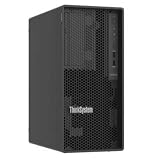
- Number of Processors Supported: 1
- Number of Processors Installed: 1
- Processor Manufacturer: Intel
- Processor Series: Xeon
- Processor Model: 6353P
In an October 2014 SEC filing, IBM described the x86 business as “a $4 billion business for us in 2013, with effectively no annual profit.” That was IBM’s characterization of the business’s 2013 revenue scale and profitability—not a statement about Lenovo’s later results or the business today. IBM’s Form 8-K and attached statement
What the transfer could mean for the server industry
Lenovo’s stated goal was to expand its enterprise hardware and services business and strengthen its enterprise and cloud strategy. Buying the business intact also gave Lenovo an established x86 portfolio spanning rack, blade and integrated systems, along with related operations. Lenovo said it would follow IBM’s x86 product roadmap, presenting continuity alongside a change in ownership.
Rank #2
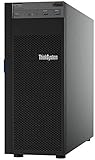
- Lenovo ThinkSystem ST250 Mini Tower Server for Small Business and Remote Offices
- Processor: Intel Xeon E-2124 Quad-Core 3.3GHz 8MB CPU, Up To 4.3GHz Turbo
- Memory: 32GB DDR4 PC4-21300 2666MHz Unbuffered Memory
- Storage: 8TB (4 x 2TB) 6Gb/s SATA Hard Drives for High Capacity Storage; JBOD RAID
- Serial Com; VGA; USB 3.1 Gen 1; USB 3.1 Gen 2; 2 x 1GbE ports standard; 1 x 1GbE dedicated management port; Hard drives and memory upgrades included separately NOT installed, installation required.
At the September 2014 closing announcement, Lenovo said the acquisition would make it the third-largest player in a “$42.1 billion global x86 server market.” That was Lenovo’s 2014 market-size figure and its stated ranking at the time, not a current market estimate or independent evidence of a later market-share gain. Lenovo’s September closing announcement
Quick wins for a faster PC:
Clear out junk files and repair common Windows errorsFree Scan →Scan for outdated or missing drivers - takes under a minuteDriver Scan →The defensible industry implication is structural: a sizeable x86 server business and its associated capabilities moved from IBM to Lenovo, adding another major enterprise hardware portfolio to Lenovo’s business. IBM, meanwhile, retained its mainframe and Power platforms. The cited company announcements establish the intended strategic shift; they do not establish how market shares or competitors changed over the years that followed.
Rank #3

- Powerful AMD EPYC Performance – Powered by AMD EPYC 4244P processor with up to 6 cores, delivering exceptional performance for virtualization, business applications, databases, and growing workloads.
- Memory – Supports DDR5 ECC UDIMM memory for higher bandwidth, improved efficiency, and automatic error correction to help maximize system reliability and reduce data corruption. This build comes with 16GB DDR5 RAM.
- Scalability and Flexibility – Tower servers are designed for easy upgrades and expansion, making them an ideal choice for development teams and growing businesses. They provide a dedicated environment for software development, testing, and deployment. This server is sold without an operating system, allowing you to select and install the OS and software that best fit your specific needs during setup.
- Designed for Small Business and Remote Offices – Quiet tower design with enterprise-grade reliability makes it ideal for file sharing, collaboration, backup, virtualization, and office applications without requiring a dedicated server room.
- Easy to Manage – Features multiple networking options and room for future upgrades, helping protect your investment as your business grows. This server is designed to run 24 hours a day, 7 days a week.
Why the storage business did not move to Lenovo
IBM retained its Storage Systems business. Alongside the server sale, however, IBM and Lenovo created a strategic alliance under which Lenovo would act as an OEM for IBM and resell selected products from IBM’s storage and software portfolios. The named storage products included entry- and midrange Storwize systems and Linear Tape Open (LTO) products. The software named in the announcement included SmartCloud, General Parallel File System and Platform Computing solutions. The January transaction announcement
This was a sales-channel relationship, not a transfer of ownership. It gave Lenovo a way to offer certain IBM storage products alongside its enterprise solutions, while IBM remained the storage business owner. The announcement supports describing a partnership and broader route to market; it does not show that the arrangement changed storage market share or product outcomes.
Rank #4
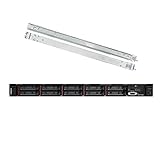
- Lenovo ThinkSystem SR630 is your reliable, easy to manage, and scalable 1U rack server, designed to excel at running a wide range of applications for small businesses up to large enterprises; rail kit is included for easy server installation
- Get professional-grade performance with Dual (2) Intel Xeon Silver 4110 8-Core 2.10GHz 11MB processors, with up to 3.2GHz turbo
- Speed, quality and reliability with 128GB DDR4 memory; Keep your data safe with software RAID
- Increase application performance, manage information more efficiently and store plenty of data with 8TB (4 x 2TB) 6Gb/s SATA III Solid State Drives
- Connectivity: VGA; 3 x USB 3.0; 1 x USB 2.0; Network: 4 x 1GbE ports standard; 1 x 1GbE dedicated management port; Hard drives and memory upgrades included separately NOT installed, installation required.
How the transition was meant to work for customers
After the January 23 announcement, Lenovo said on September 29 that the conditions for the acquisition had been satisfied and closing would begin effective October 1. On October 1, the companies announced an initial closing in most major markets; other country closings were expected later in 2014, with the remaining few expected in early 2015. The sequence reflects a staged, geographically phased transaction rather than a single simultaneous closing everywhere. September 29 announcement and October 1 announcement
What’s actually slowing this PC down?
Pick the symptom - the matching free tool is one click away.
Lenovo said IBM would continue to deliver maintenance on Lenovo’s behalf for an extended period, promising customers no change to maintenance support and a seamless transition. That describes the companies’ stated plan at closing; it is not independent verification of every customer’s experience.
What the deal does—and does not—establish
- Established: Lenovo acquired IBM’s defined x86 server business, while IBM retained its mainframe, Power and storage businesses.
- Established: The companies paired the sale with an alliance for Lenovo to resell selected IBM storage and software products.
- Not established by these announcements and filings: the acquisition’s later effect on server market share, competitors, or storage-market outcomes.
For the server industry, the deal changed who owned IBM’s x86 portfolio. For storage, it created a route for Lenovo to sell selected IBM products without transferring IBM’s storage business.
Quick Recap
Product prices and availability are accurate as of the date/time indicated and are subject to change. Any price and availability information displayed on Amazon at the time of purchase will apply.

