
Quick wins for a faster PC:
Clear out junk files and repair common Windows errorsFree Scan →Scan for outdated or missing drivers - takes under a minuteDriver Scan →Repair Windows errors before they cause bigger problemsFix Now →iTechGuides is reader-supported. When you buy through links on our site, we may earn an affiliate commission. As an Amazon Associate I earn from qualifying purchases. Learn more
Coastal residents can help protect the Baltic Sea by preventing pollution before it reaches the water, reducing disposable litter, following local rules for wastewater and chemicals, avoiding disturbance to wildlife, and supporting effective municipal and fisheries policies. Everyday actions matter, but they work best alongside coordinated measures across the countries and communities surrounding the sea.
Why actions on land matter to the Baltic Sea
The Baltic Sea is affected by pressures from both land-based and sea-based activities. HELCOM’s assessment of 2016–2021 identified eutrophication, hazardous substances, marine litter, underwater noise, and non-indigenous species among the pollution pressures affecting the region. The European Commission also identifies biodiversity loss, climate change, overfishing, pharmaceuticals and plastic litter as concerns. HELCOM’s third holistic assessment emphasizes that restricting pollution at its source is central: later remediation can be difficult, costly or impossible. The Baltic Sea Action Plan, updated in 2021, organizes regional measures around biodiversity, eutrophication, hazardous substances and litter, and sea-based activities, with implementation measures due by 2030 at the latest.



Nutrients are still a concern
Excess nitrogen and phosphorus can fuel algal growth, reduce water clarity and contribute to low oxygen reserves near the seabed. Eutrophication remained a major problem in HELCOM’s 2016–2021 assessment. Normalized total nitrogen input was 12% lower and phosphorus input 28% lower in 2020 than in the 1997–2003 reference period, according to HELCOM’s 2023 assessment. Those reductions had not brought every Baltic sub-basin within its maximum allowable input. The assessment explains the status and nutrient-input measures.
Free tools Windows power users keep installed
One-click scans. No signup required.
Litter has several pathways into the sea
On the European beaches covered by the European Environment Agency’s figures, single-use plastics account for 50% of litter items by count and plastic-containing fishing gear for another 27%. Those are European beach-litter proportions, not a Baltic-only breakdown. Separately, the EEA identified 83% of assessed Baltic Sea areas as potential marine-litter problem areas for 2010–2021. Litter can entangle or be ingested by marine organisms, transfer contaminants and carry pollutants. The EEA’s marine-litter overview provides the regional context and figures.
At home: keep nutrients and chemicals out of runoff
- Use fertilizer only in accordance with local guidance, and avoid applying more than plants need. Ask your municipality how to manage garden waste and whether local rules restrict fertilizer use near waterways.
- Maintain septic systems as required locally, and use municipal wastewater services correctly. If you are unsure how a household chemical or medicine should be disposed of, check your municipality or national authority rather than pouring it into a drain or assuming one disposal rule applies throughout the Baltic region.
- Ask local officials about wastewater treatment, stormwater management and shoreline runoff. Nutrients and other pollutants can reach the sea from land, so these infrastructure decisions are part of marine protection, not only neighborhood maintenance.
The European Commission lists pharmaceuticals among contaminants of concern, but disposal instructions vary by jurisdiction. Its marine-pharmaceuticals page describes the issue; for disposal, follow the directions of the relevant local service.
On beaches and in public spaces: prevent litter from escaping
- Secure waste in bins and vehicles, and do not leave packaging or other items at picnic sites, docks or beaches. If no collection point is available, take your waste with you.
- Choose reusable items when practical, particularly where wind or waves could carry lightweight packaging away.
- Join an organized shoreline cleanup. Follow the organizer’s instructions and use designated collection and disposal arrangements. HELCOM’s regional work addresses litter from land and sea, including removal, disposal, education and outreach. The Baltic Sea Action Plan sets out the regional framework.
A litter-picker grabber can help collect accessible waste during an organized cleanup, but it is optional. Do not enter the water for litter, handle hazardous objects, or disturb wildlife; alert the organizer or appropriate local authority instead.
Rank #2
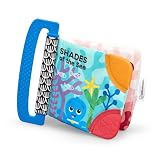
- The Baby Einstein Ocean Explorers Shades of the Sea Teether Book helps little readers explore the ocean with 4 interactive pages of colors and animals; For ages 0 months and up
- Textured corners offer soothing relief for sore gums; Builds fine motor skills and development; Large handle is easy for baby to grip and hold
- Learn colors and discover sea animals on each page; soft pages crinkle when squeezed for auditory stimulation
- Features Baby Einstein characters
- Dimensions:7.75 x 7 inches; Wipes clean
On boats and around the water: prevent discharge and disturbance
- Keep waste, loose gear, oils and other pollutants out of the water, and follow the rules at your marina and in your boating area. Requirements differ by location; check local guidance for waste reception and handling.
- Use designated access points where local guidance provides them, and avoid disturbing wildlife or sensitive shoreline habitat.
- Report pollution or hazardous debris through the relevant local authority or marina rather than attempting a risky cleanup yourself.
These are practical stewardship steps, not a substitute for local boating rules. HELCOM’s plan recognizes litter sources and environmentally sustainable sea-based activities, but its regional materials do not provide one detailed set of resident boating instructions for every Baltic country. See HELCOM’s plan and consult the authority responsible for your location.
Do these 3 things before closing this tab:
1Clear out junk files and repair common Windows errors2Scan for outdated or missing drivers - takes under a minute3Repair Windows errors before they cause bigger problemsSeafood and civic choices: support decisions suited to local conditions
Check current advice before choosing fish
Fishing opportunities and contaminant advice can vary by country, species and stock, and guidance can change. Use current national fishery guidance and official consumption advisories for the fish you are considering. The available regional evidence does not support a single Baltic-wide list of species to buy or avoid. HELCOM’s assessment describes ecosystem pressures, but current country-specific guidance is needed for an individual seafood decision.
Support measures that address causes, not only symptoms
Residents can ask municipal representatives how plans address wastewater, stormwater, waste prevention, shoreline habitat and pollution from land. They can also support evidence-based fisheries and habitat measures at the national level. HELCOM’s action plan links biodiversity outcomes to progress across the other pressure areas, so no single cleanup or household choice can replace coordinated action. The plan’s four connected areas offer a useful framework for evaluating public commitments.
Quick Recap
Best Value
Choose actions by the pressure they address
| Action | Pressure addressed | Where it acts | What depends on local rules |
|---|---|---|---|
| Follow fertilizer, septic and chemical-disposal guidance | Nutrients and hazardous substances | Prevents pollution at source | Permitted practices and disposal routes vary by municipality and country. |
| Secure waste and reduce disposables | Marine litter | Prevents litter from escaping into drains, waterways or the sea | Waste collection and recycling arrangements vary locally. |
| Join a shoreline cleanup | Existing litter | Removes accessible waste after it has escaped | Follow organizer guidance and local disposal arrangements; do not handle hazards or enter the water. |
| Keep boat waste and pollutants out of the water | Sea-based litter and pollution | Prevents direct inputs at sea | Marina facilities and boating requirements depend on location. |
| Check national fishery and seafood advice | Fisheries pressure and contaminant exposure | Informs personal choices and support for management | Advice is specific to country, species and stock and may change. |
| Advocate for wastewater, stormwater and habitat measures | Nutrients, hazardous substances and biodiversity pressure | Supports collective municipal or national change | Responsibilities and policy processes differ across jurisdictions. |
Product prices and availability are accurate as of the date/time indicated and are subject to change. Any price and availability information displayed on Amazon at the time of purchase will apply.

